All eyes on Rahul as Punjab Congress mired in factionalism, can mar its prospects in 2027
Source Entity
Man Aman Singh Chhina
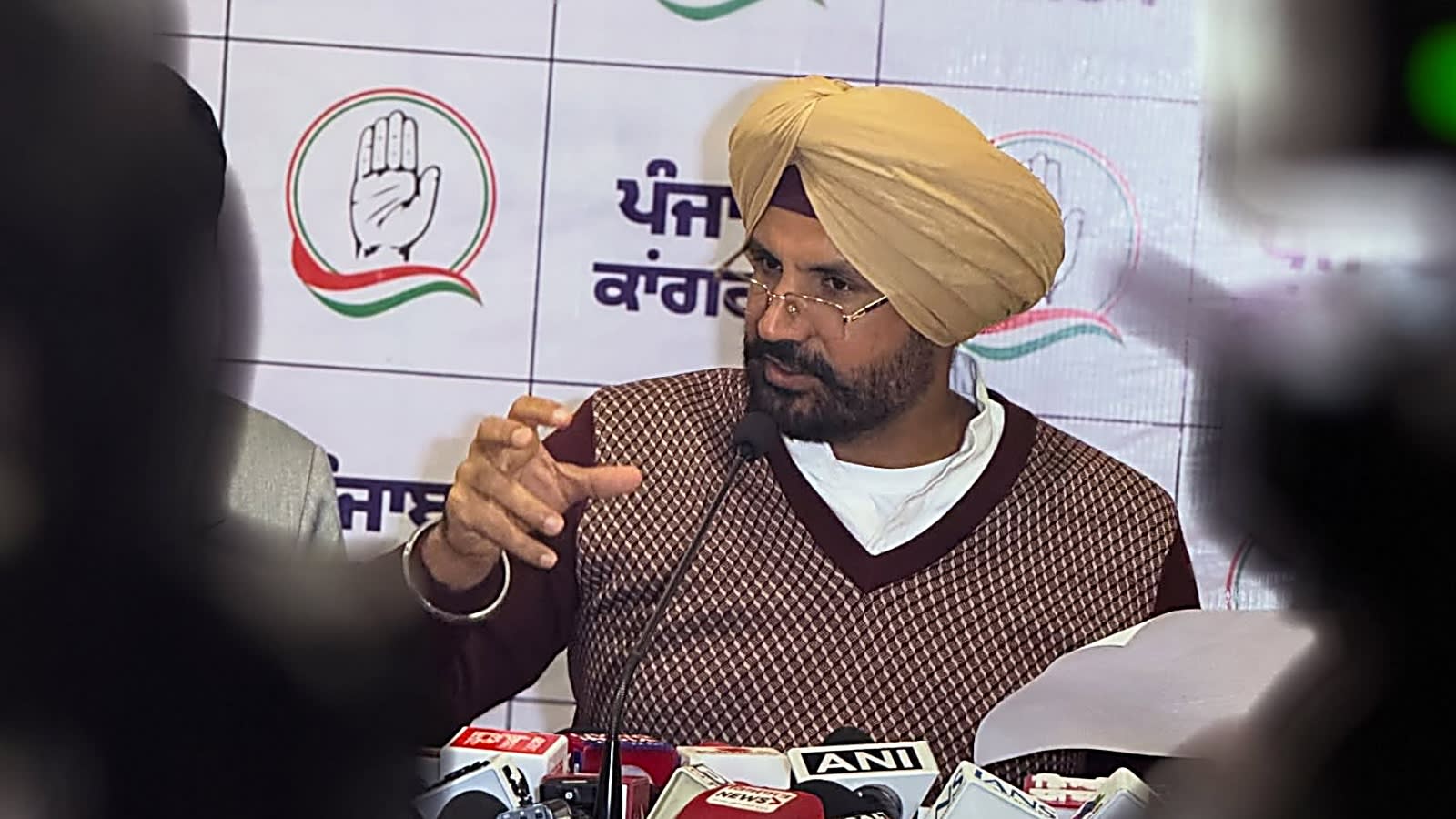
Rahul Gandhi is intervening to resolve deep-seated factionalism within the Punjab Pradesh Congress Committee (PPCC) as senior leaders in Delhi express concern that internal strife could jeopardize the party's chances in the 2027 elections.
The Crisis of Cohesion: Rahul Gandhi's Intervention in Punjab Congress
The Punjab Pradesh Congress Committee (PPCC) currently finds itself at a critical crossroads, plagued by internal factionalism that threatens to undermine its organizational stability. With senior leadership in Delhi closely monitoring the situation, the return of Rahul Gandhi from abroad marks a pivotal moment for the party. His immediate engagement in high-level meetings suggests that the central leadership views the instability in Punjab not merely as a regional dispute, but as a strategic liability that requires direct intervention from the party's top brass to prevent a total collapse of morale among the grassroots cadre.
The Anatomy of Factionalism within the PPCC
Factionalism in regional political units often stems from a clash between established veterans and emerging leaders, compounded by disagreements over candidate selection and administrative control. In the case of the PPCC, the reported strife indicates a fragmentation of authority where different camps are vying for influence. This internal warfare is particularly damaging because it diverts energy away from public outreach and toward internal power struggles. When a party is perceived as divided, it struggles to project a unified vision to the electorate, making it vulnerable to opportunistic attacks from political rivals who capitalize on this perceived instability.
Strategic Implications for the 2027 Horizon
The explicit mention of the 2027 elections highlights the urgency of the current crisis. In the political landscape of Punjab, the window for rebuilding a damaged organizational structure is narrow. For the Congress to be competitive in 2027, it must transition from a state of crisis management to one of strategic mobilization. History shows that parties failing to resolve internal rifts at least two to three years before a major election often face catastrophic losses, as the lack of coordination leads to fragmented campaigning and a failure to consolidate the vote bank. The current friction in the PPCC is therefore viewed as a direct threat to the party's long-term viability in the state.
Rahul Gandhi as the Primary Mediator
Rahul Gandhi's role in these meetings is crucial, as he represents the bridge between the Delhi high command and the regional leadership. By stepping in personally, Gandhi is attempting to signal that the central leadership is invested in Punjab's recovery. His task is twofold: he must pacify disgruntled senior leaders who feel sidelined while simultaneously empowering a new generation of leaders who can revitalize the party. The success of these meetings will depend on whether he can implement a consensus-based leadership model that transcends individual egos for the sake of the party's survival.
The Broader Punjab Political Landscape
To understand the stakes, one must look at the competitive environment in Punjab. With the rise of alternative political forces and the shifting loyalties of the electorate, the Congress can no longer rely on historical legacy. The party is fighting a battle on multiple fronts, and internal factionalism acts as a force multiplier for its opponents. If the PPCC remains mired in conflict, it risks becoming irrelevant in a state where political volatility is high and voters are increasingly drawn to decisive, unified leadership.
Conclusion: The Path Forward
In summary, the current state of the Punjab Congress is a cautionary tale of how internal discord can overshadow political potential. The eyes of the nation are on Rahul Gandhi to see if his diplomatic efforts can weld these fractured factions back into a cohesive unit. The outcome of these deliberations will likely determine whether the Congress enters the 2027 cycle as a formidable contender or as a fragmented entity struggling to maintain its presence in one of India's most strategically important states.