After rural poll setback, Rajasthan CM says ‘false narratives’ being spread to mislead public
Source Entity
Hamza Khan
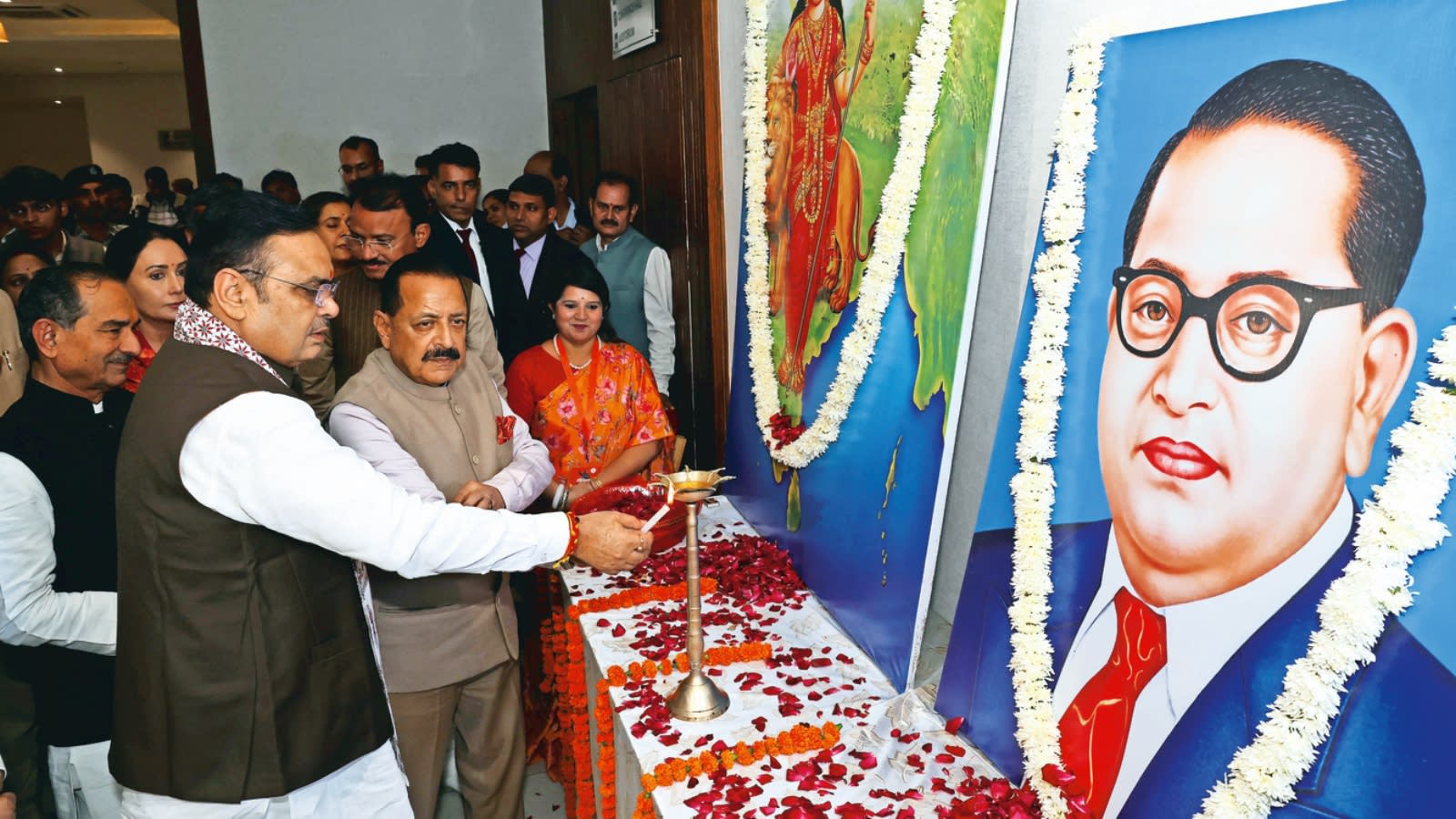
Rajasthan CM Bhajan Lal Sharma has attributed recent Panchayati Raj poll setbacks to the spread of 'false narratives' by opponents. He urged supporters to remain steadfast, drawing parallels between current political challenges and the historical obstacles faced during the drafting of the Indian Constitution.
Rajasthan CM Addresses Political Challenges Following Poll Setbacks
Rajasthan Chief Minister Bhajan Lal Sharma has officially broken his silence regarding the outcomes of the recent Panchayati Raj polls in the state. Speaking at the Samvidhan Gaurav Diwas programme in Jaipur on Constitution Day, the Chief Minister addressed the electoral results by framing the current political climate as a struggle against deliberate misinformation. He asserted that certain factions have been actively spreading "false narratives" designed to mislead the public and weaken the governance of the state.
Drawing Parallels with Constitutional History
In a strategic effort to contextualize these political obstacles, Chief Minister Sharma invoked the legacy of Dr. B.R. Ambedkar. By referencing the challenges Babasaheb faced during the drafting of the Indian Constitution, Sharma sought to position his administration’s current difficulties as a necessary test. He emphasized that when leaders pursue "grand objectives," they must inevitably expect to confront and overcome significant hurdles, suggesting that the recent electoral performance is merely a temporary trial in a larger governance mandate.
The Impact of Narrative Warfare in Politics
The Chief Minister’s remarks highlight a growing concern regarding the role of political discourse in local governance. By characterizing his opponents' tactics as the creation of an "atmosphere of confusion," Sharma is signaling to his base that the recent electoral results are not necessarily a reflection of failed policy, but rather the consequence of a successfully manufactured opposition campaign. This perspective suggests that the administration believes it is currently engaged in a battle for public perception rather than a traditional debate on administrative performance.
Analyzing the Strategy of 'False Narratives'
According to the Chief Minister, those who promote these misleading narratives are driven by the desire for short-term political advantage. By suggesting that his rivals aim to weaken the government through confusion, Sharma is attempting to insulate his administration from further criticism regarding the Panchayati Raj results. This rhetorical strategy serves to shift the focus from internal policy shortcomings to the external influence of political adversaries, thereby rallying his supporters against a common narrative threat.
Future Implications for Rajasthan Governance
As the administration moves forward, the impact of these statements will likely influence how the BJP-led government approaches future electoral cycles and public engagement. By framing electoral setbacks as a byproduct of external deception, the Chief Minister is setting a tone of defiance and resilience. Whether this narrative effectively counters the public perception stemming from the Panchayati Raj polls remains to be seen, but it is clear that the government plans to prioritize the defense of its record against what it deems to be malicious misinformation.
Conclusion: Assessing the Political Landscape
In summary, Chief Minister Bhajan Lal Sharma’s address on Constitution Day provides a clear window into the administration's current defensive strategy. By linking his political struggles to historical milestones and warning against the dangers of public misinformation, he seeks to maintain control over the political narrative. The challenge for his government will be to bridge the gap between this high-level rhetoric and the ground-level realities that influenced the recent rural poll results.