Trump demands probe into ‘record setting error’ after third-quarter GDP data gets massive revision higher
Source Entity
US Top News and Analysis
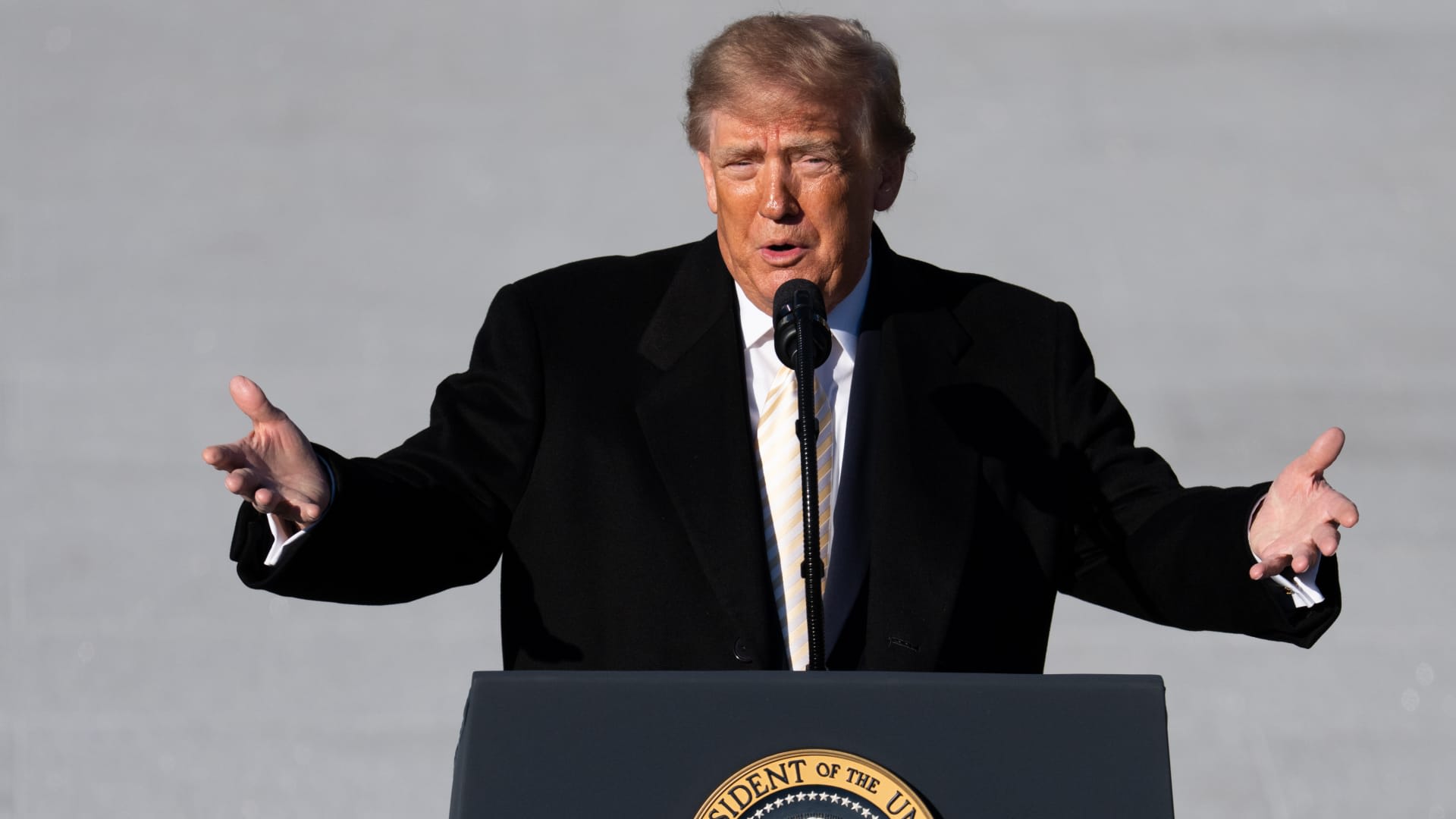
President Donald Trump has called for an investigation into Commerce Department GDP revisions, alleging that initial data was intentionally underreported to influence the election. The claims center on a 0.9% upward revision of third-quarter growth, which Trump has labeled a 'record-setting error' without providing evidence.
The Controversy Surrounding GDP Revisions
President Donald Trump has ignited a fresh political firestorm by publicly questioning the integrity of U.S. economic data. Specifically, the President has demanded an investigation into the Commerce Department following a routine revision of third-quarter Gross Domestic Product (GDP) figures. The data, which initially estimated a 3.4% annualized growth rate, was subsequently updated to reflect a 4.3% expansion. Trump characterized this discrepancy as a "record-setting error," suggesting that the initial figures were "fake" and deliberately underreported to sway the outcome of the recent election.
Understanding the Nature of Economic Data Revisions
To analyze this situation, it is essential to understand that GDP data is released in stages—advance, preliminary, and final estimates. These revisions are standard practice for the Bureau of Economic Analysis (BEA), as they incorporate more complete source data that becomes available over time. The transition from an initial estimate to a revised figure is a technical necessity rather than an indication of institutional malice. By labeling a standard statistical adjustment as a "purposeful" political tool, the President is challenging the established methodology of federal economic reporting.
Accusations of Election Interference
Trump’s assertion that these figures were manipulated to influence the electoral process represents a significant escalation in the rhetoric surrounding federal bureaucracy. Without providing empirical evidence to support the claim of "fake" numbers, he has framed the data revision as an act of election interference. This narrative places the non-partisan career staff of the Commerce Department under intense scrutiny, creating a tension between executive political oversight and the preservation of objective, data-driven governance.
Broader Implications for Institutional Trust
The impact of such accusations extends beyond the immediate economic debate. When a sitting President casts doubt on the validity of official national statistics, it risks eroding public confidence in the institutions responsible for measuring the nation's health. The stability of financial markets, corporate investment strategies, and federal policy decisions relies heavily on the perceived accuracy of economic data. If stakeholders begin to view official reports as politically compromised, the resulting uncertainty could have tangible effects on market confidence and long-term economic planning.
Historical Context and Future Trends
Historically, while administrations have occasionally disagreed with economic interpretations, the direct questioning of the integrity of the underlying data collection process is rare. Looking forward, this incident may lead to increased pressure for transparency in how economic data is compiled and released. However, it also suggests a future trend where statistical agencies may face heightened political pressure. As the administration continues to demand investigations into perceived discrepancies, the divide between political narratives and technical economic reality is likely to remain a focal point of national discourse throughout the remainder of the term.