A 'Flat 50%' Offer At Centre Of Delimitation Question As Parliament To Reconvene
Source Entity
NDTV News Search Records Found 1000
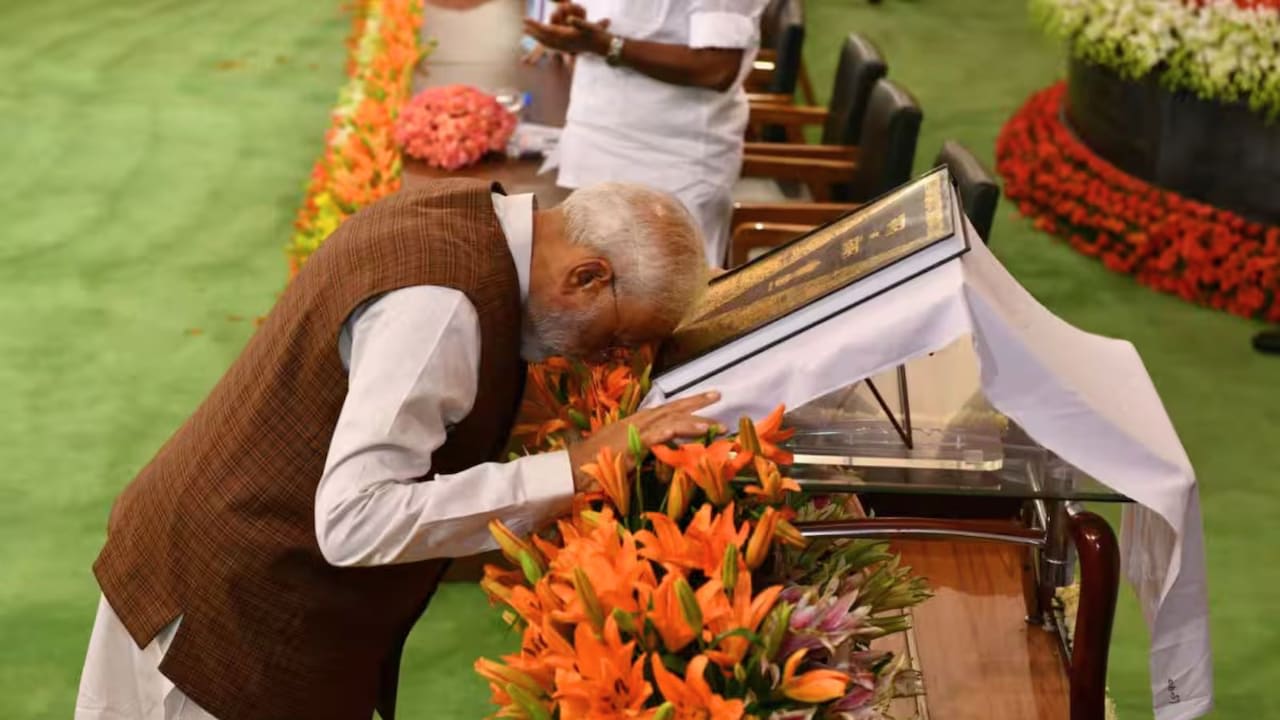
The Indian government has called for a special parliamentary session starting November 30, 2026, to revisit the failed 131st Constitution Amendment Bill. This session aims to address the expansion of Lok Sabha seats and the implementation of 33% women's reservation ahead of the 2029 polls.
Special Parliament Session: Addressing Legislative Impasse
The Indian government has officially proposed a special session of Parliament, with the Lok Sabha scheduled to reconvene on November 30, 2026, and the Rajya Sabha on December 2, 2026. This move, announced by Parliamentary Affairs Minister Kiren Rijiju, is designed to address critical government business that has remained in legislative limbo. The decision marks a significant effort to revive high-stakes constitutional reforms that were previously stalled.
The Resurgence of the 131st Amendment Bill
Central to this special session is the government’s renewed push for the Constitution (131st Amendment) Bill. This legislation is ambitious in scope, aiming to raise the ceiling of Lok Sabha seats to 850 while simultaneously mandating a 33% reservation for women. The objective is to finalize these structural changes in time for the 2029 general elections, a deadline that necessitates urgent legislative consensus.
Historical Context and Past Defeats
This legislative agenda is not without historical baggage. In April, the 131st Amendment Bill suffered a rare and significant defeat, failing to secure the mandatory two-thirds majority required in the Lok Sabha. This event was historically notable as it marked the first instance of a government-sponsored constitutional amendment being rejected since the National Democratic Alliance (NDA) assumed power in 2014. Following this setback, the government had previously withdrawn two linked bills concerning delimitation based on the 2011 census and administrative changes for union territories.
The Delimitation Debate and Electoral Concerns
Beyond the gender quota, the session is expected to ignite intense debate over the process of delimitation. Opposition parties have expressed growing concerns regarding the Special Intensive Revision of electoral rolls. The link between the latest available census data and the redrawing of constituency boundaries remains a contentious issue, as it directly impacts the political representation of various states and demographic groups.
Broader Implications for Governance
Ministers have been directed to prepare for rigorous debates, signaling the government's determination to ensure these bills pass through both Houses. The outcome of this session will serve as a litmus test for the government’s floor management capabilities and its ability to build cross-party consensus on sensitive constitutional matters. If successful, these changes would fundamentally reshape the composition of the Indian Parliament for decades to come.
Concluding Outlook
As the nation looks toward the November 30 session, the political landscape remains fragile. The successful passage of the 131st Amendment would be a landmark achievement for the current administration, yet the road to consensus is blocked by deep-seated disagreements regarding electoral fairness and the methodology of delimitation. The upcoming session promises to be a defining moment for the 2029 electoral roadmap.
Multiple Citing Sources
Verification Required?