‘Serious concern’: Rajasthan lawyers break silence on allegations against acting Chief Justice
Source Entity
Hamza Khan
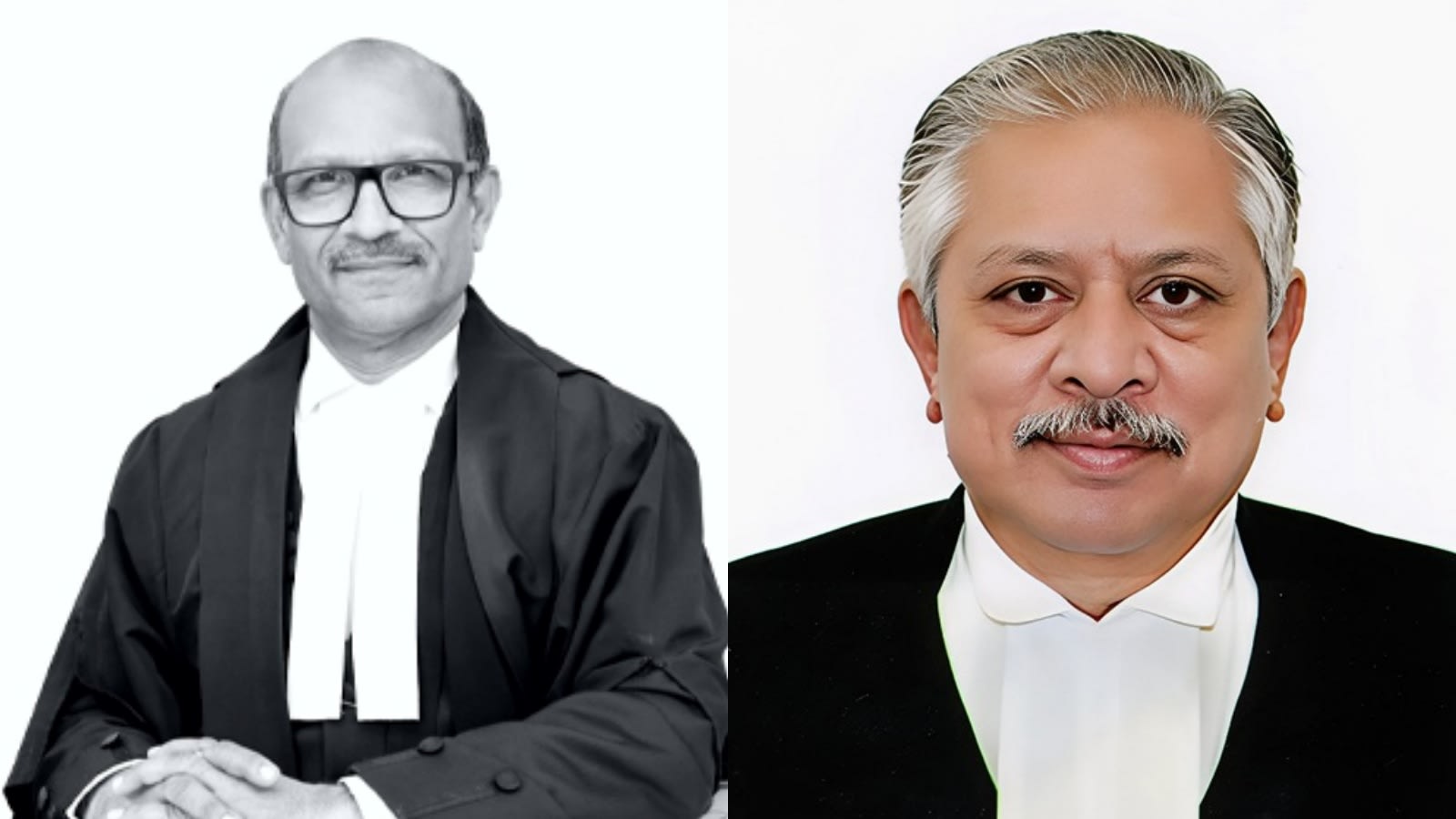
Rajasthan bar associations have called for an internal institutional resolution regarding allegations of misconduct against Acting Chief Justice Sanjeev Prakash Sharma. The controversy follows letters from Supreme Court Justice Sandeep Mehta to the Chief Justice of India seeking a transfer.
Institutional Crisis in the Rajasthan Judiciary
The Rajasthan High Court is currently navigating a period of significant internal instability following serious allegations leveled against its Acting Chief Justice, Sanjeev Prakash Sharma. The controversy originated from a series of three letters authored by Supreme Court Judge Sandeep Mehta and addressed to the Chief Justice of India, Surya Kant. In these communications, Justice Mehta explicitly requested the transfer of Justice Sharma, citing grave concerns regarding the alleged misuse of judicial powers, favoritism, nepotism, and various administrative lapses.
The Legal Community's Stance
In response to these developments, the three primary lawyer associations in the state—the Rajasthan High Court Bar Association in Jaipur, and both the Rajasthan High Court Lawyers’ Association and the Rajasthan High Court Advocates’ Association in Jodhpur—convened emergency meetings to address the unfolding situation. These bodies have collectively expressed "serious concern" regarding the allegations, while simultaneously condemning any potential misuse of high judicial office. The consensus among these legal professionals is that such matters strike at the heart of judicial integrity and require immediate, high-level attention.
Prioritizing Institutional Resolution
Despite the gravity of the accusations, the legal community has been firm in its assertion that this dispute must be contained within the judiciary's internal mechanisms. Rajeev Sogarwal, representing the lawyer associations, emphasized that a public debate regarding the conduct of a sitting Acting Chief Justice could severely tarnish the reputation of the institution. By advocating for an "appropriate forum" for resolution, the lawyers are attempting to prevent a loss of public confidence in the judicial process while ensuring that the allegations are not ignored.
The Need for Permanent Leadership
A recurring theme in the lawyers' discourse is the urgent requirement for the appointment of a permanent Chief Justice for the Rajasthan High Court. The current reliance on an Acting Chief Justice, amidst such intense internal scrutiny, appears to be complicating the administrative stability of the court. The legal associations have indicated that they will continue to coordinate their efforts, with further meetings planned to determine a formal course of action to ensure that the judiciary remains both accountable and functional.
Broader Implications for Judicial Accountability
This incident highlights the delicate balance between judicial independence and the necessity of internal accountability. When a Supreme Court judge challenges the administrative conduct of a High Court leader, it creates a unique pressure point that tests the established protocols for grievance redressal within the Indian judiciary. The resolution of this specific case will likely serve as a precedent for how similar internal administrative conflicts are handled in the future, emphasizing the judiciary's ability to police its own ranks without compromising its public standing.
Looking Ahead
As the Bar Associations prepare to meet formally, the focus remains on the response from the Chief Justice of India. The outcome of these deliberations will be critical in restoring order to the Rajasthan High Court. Whether the resolution involves a transfer or a deeper administrative inquiry, the primary objective remains the preservation of institutional credibility. The legal fraternity’s insistence on a closed-door resolution underscores a collective commitment to maintaining the dignity of the court, even in the face of internal discord.