A job, home, and new life: Rajasthan tribe rewrites its story
Source Entity
Hamza Khan
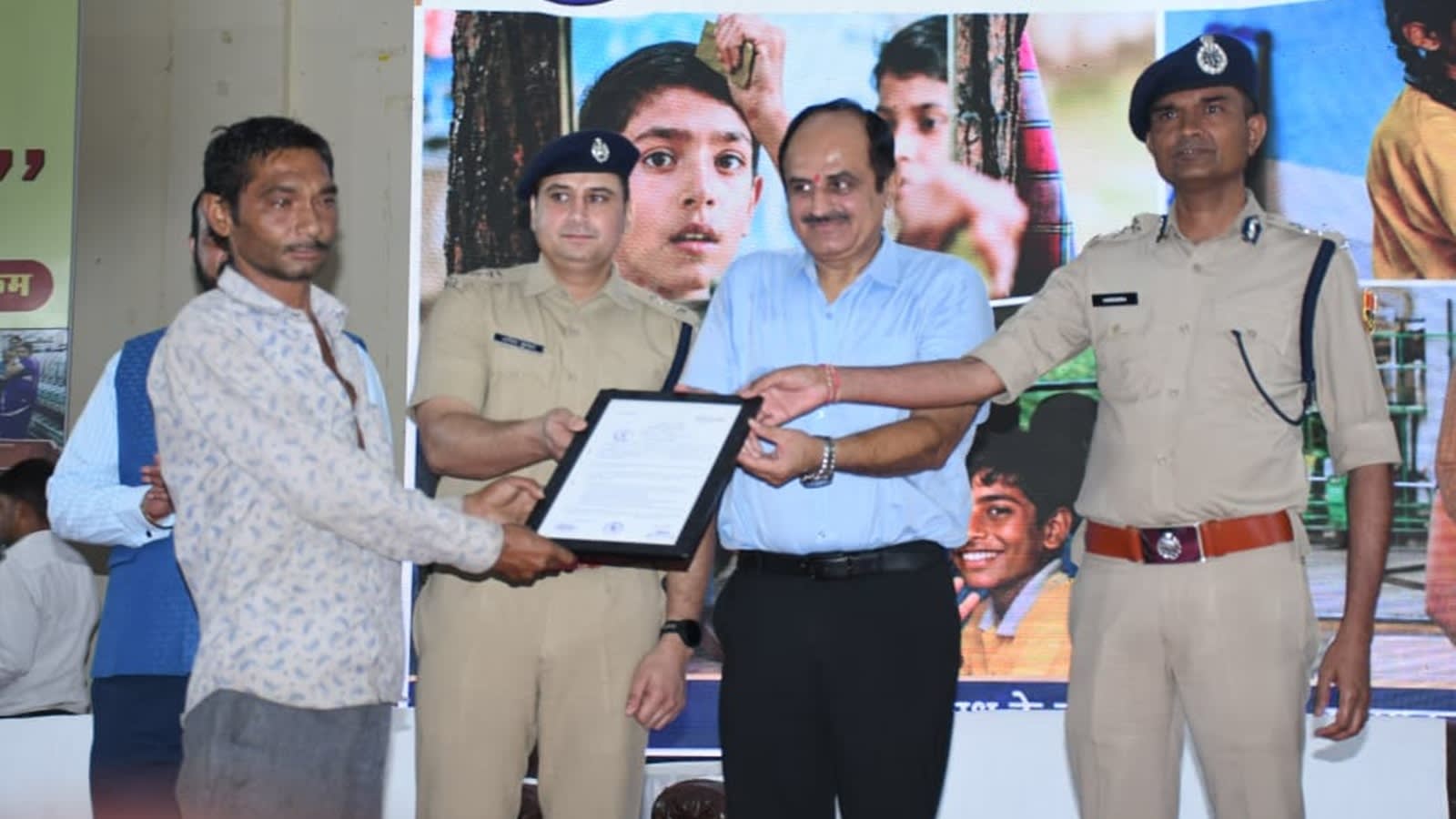
Manoj Kumar has become the first member of the denotified Kanjar tribe in Rajasthan's Jhalawar to secure a government job as a Home Guard. This milestone, supported by local police and administrative efforts, marks a significant shift in social integration for the historically marginalized community.
A Milestone for Integration: The Kanjar Tribe's New Horizon
In a significant development for social equity in Rajasthan, Manoj Kumar, a 26-year-old from the denotified Kanjar tribe, has achieved a landmark feat by becoming the first individual from his community in Jhalawar to secure a government position as a Home Guard. This achievement is not merely a personal victory; it represents a profound shift in the socio-economic trajectory of a community that has historically faced systemic exclusion and stigmatization in the workforce.
The Role of Institutional Support
The narrative of Manoj Kumar’s success is deeply intertwined with the proactive intervention of local authorities. Historically, members of denotified tribes—formerly classified under the Criminal Tribes Act of 1871—have struggled against deep-seated societal biases that often result in employment discrimination. Kumar’s testimony highlights this struggle: despite previous attempts, he lacked the encouragement and institutional backing necessary to succeed. It was only when the Jhalawar police recognized his aspirations and provided the necessary motivation and guidance that he was able to navigate the recruitment process successfully.
Beyond the Individual: A Community-Wide Shift
The impact of this breakthrough extends beyond Manoj Kumar. His two brothers recently secured employment at the Rajasthan Textile Mills (RTM), signaling a broader trend of economic absorption for the Kanjar community in Jhalawar. This transition from informal or marginalized labor to structured roles in both the public and private sectors is a direct result of a nearly year-long, multi-departmental campaign spearheaded by the district administration and local law enforcement.
Breaking the Cycle of Marginalization
For decades, denotified tribes have lived on the periphery of mainstream Indian society, often trapped in a cycle of poverty and social alienation. The 'denotified' status refers to tribes that were once branded as 'born criminals' under colonial-era laws, a stigma that persists in many regions despite the repeal of these laws decades ago. The success of the Jhalawar initiative demonstrates that targeted administrative intervention can effectively bridge the gap between marginalized communities and the formal economy.
Implications for Future Policy
The Jhalawar model offers a blueprint for how district-level administration can facilitate social inclusion. By actively identifying barriers to employment—such as lack of support, documentation issues, or social prejudice—and dismantling them through collaborative efforts, local governments can replicate this success elsewhere. The focus on integrating community members into both government services and private industry ensures a diversified approach to economic stability.
Conclusion
The story of Manoj Kumar and his family is a testament to the power of institutional encouragement in overcoming historical systemic barriers. As these individuals step into their new professional roles, they serve as pioneers for their community, potentially shifting local perceptions and paving the way for future generations of the Kanjar tribe to access opportunities previously thought to be out of reach.