Six girls were sold into prostitution by their families, Rajasthan cops used decoy to save them
Source Entity
Parul Kulshrestha
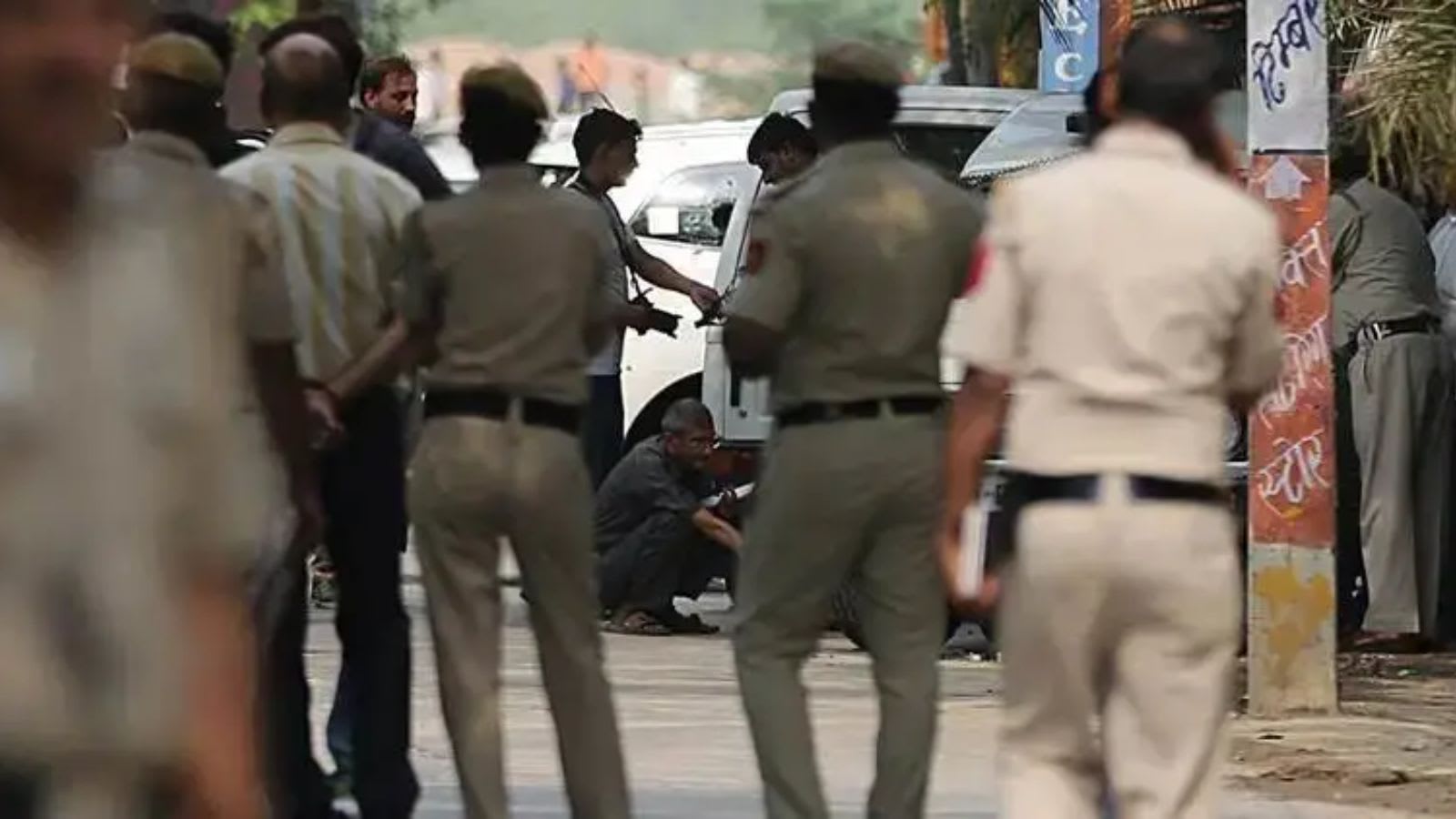
Rajasthan police rescued six minor girls from a trafficking and prostitution racket in Jhalawar. Five suspects, including the victims' own family members, have been arrested following a targeted sting operation.
Rajasthan Authorities Dismantle Prostitution Racket Involving Minor Victims
In a harrowing operation conducted on November 3, 2026, Rajasthan police successfully rescued six minor girls, aged between 12 and 17, from an alleged prostitution racket in the Bhawanimandi area of Jhalawar district. The intervention followed a long-term investigation initiated after police took cognisance of a ‘Ground Zero’ report published in August. The scale of the exploitation is significant, with medical and forensic examinations confirming that five of the six girls had been subjected to repeated sexual abuse.
The Role of Familial Complicity
Perhaps the most disturbing aspect of this case is the involvement of the victims' own kin. Police have arrested five individuals, including family members and relatives, who allegedly facilitated the trafficking of these minors for monetary gain. The victims, belonging to the Banchhada community, were systematically forced into sex work by those who were duty-bound to protect them. This highlights a deep-seated cultural and economic crisis within specific marginalized groups where generational trauma and poverty are exploited to perpetuate cycles of abuse.
Investigative Methodology and Execution
Superintendent of Police Amit Kumar (also reported as Amit Budaniya) led the operation, which relied on a decoy strategy to secure the rescue. The police acted upon a formal complaint filed last month, which brought to light the systemic nature of the exploitation. By utilizing a decoy, authorities were able to bypass the protective layers surrounding the traffickers, allowing for the successful extraction of the victims. This tactical approach is increasingly necessary when dealing with organized crime rings that operate within insular communities.
Public Health Implications
Beyond the immediate physical and psychological trauma, the medical assessments have revealed a dire public health concern. Two of the rescued girls tested positive for sexually transmitted diseases (STDs), underscoring the severe health risks faced by minors trapped in such illicit environments. The lack of access to healthcare and the disregard for the victims' bodily autonomy are indicative of the extreme vulnerability these children face when they are treated as commodities rather than individuals.
Broader Socio-Legal Context and Future Outlook
The rescue in Jhalawar serves as a stark reminder of the limitations of existing child protection frameworks in rural India. While the arrests are a necessary step, the long-term rehabilitation of these girls remains a massive challenge. The state must now focus on providing specialized counseling, medical care, and safe housing to prevent re-trafficking. Moving forward, the effectiveness of such interventions will depend on sustained monitoring of high-risk communities and the implementation of social welfare programs that provide viable economic alternatives to families, thereby breaking the cycle of exploitation.