Romance, money and sabotage: Police uncover ISI plot behind Rajasthan railway track blast
Source Entity
Hamza Khan
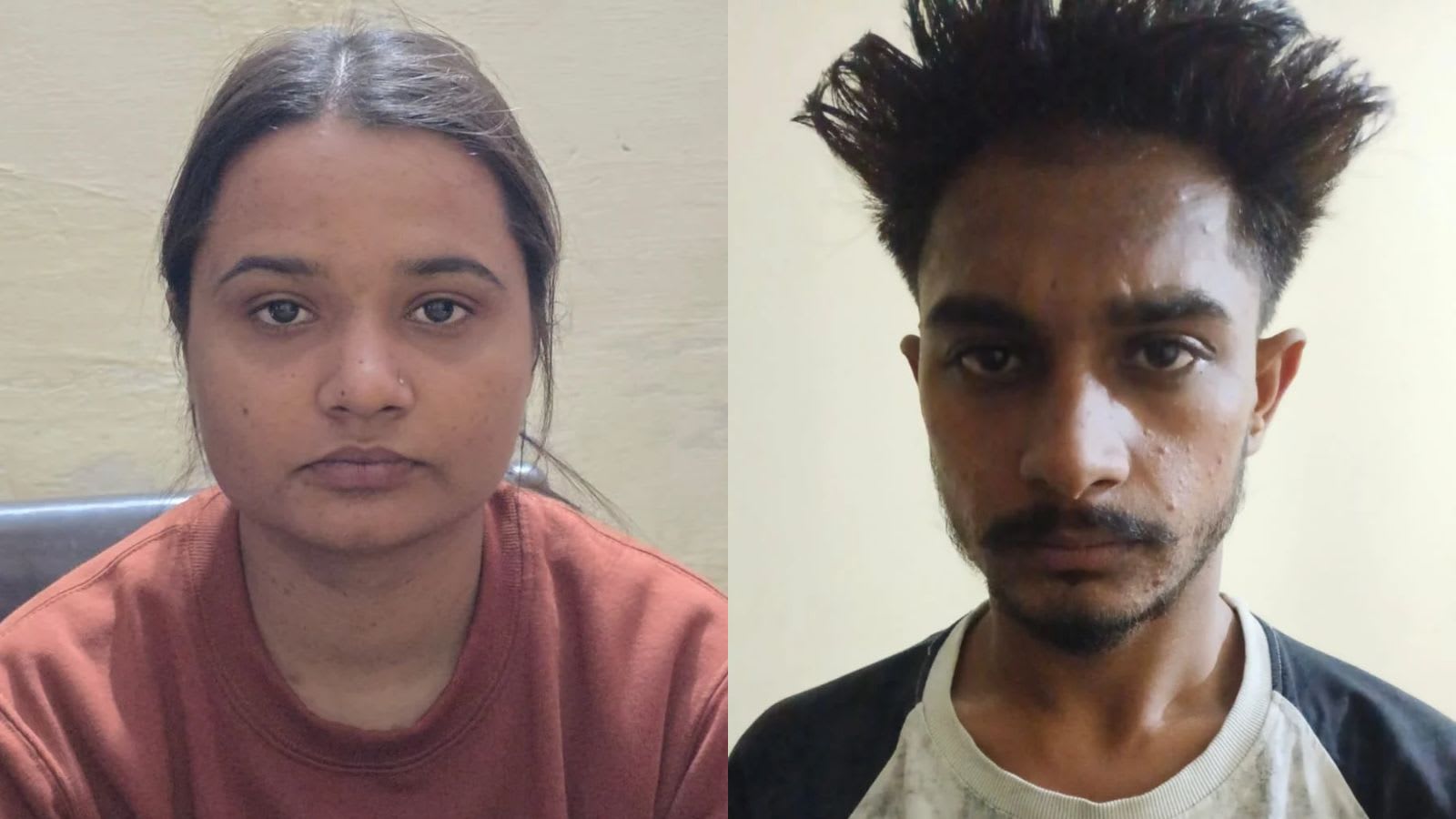
Two individuals, Mahakdeep Kaur and Davinder Singh, were arrested for a November 3 railway track blast in Rajasthan. Investigators revealed the sabotage was orchestrated by a Pakistani ISI handler who exploited a romantic relationship to recruit the suspects.
The Rajasthan Railway Sabotage: A Calculated Act of Terror
On November 3, a significant security breach occurred when a railway track in the Ramsinghpur area of Rajasthan's Sri Ganganagar district was targeted in a blast. This act of sabotage, occurring in a region proximate to the Indo-Pak border, has been identified by the Rajasthan Anti-Terrorism Squad (ATS) as a deliberate attempt by external actors to destabilize the region and spread terror. The subsequent investigation has shed light on a sophisticated recruitment process that blends psychological manipulation with financial incentives.
The Anatomy of the Recruitment
The investigation into the suspects, 21-year-old Mahakdeep Kaur and 23-year-old Davinder Singh, revealed a harrowing method of radicalization and recruitment. According to police reports, a Pakistan-based handler, identified as an operative of the Inter-Services Intelligence (ISI) named 'Shah,' utilized a romantic relationship to groom and manipulate Mahakdeep Kaur. By exploiting personal vulnerabilities, the handler successfully coerced the young woman into participating in an act of domestic sabotage, proving how non-traditional warfare tactics are increasingly being used to compromise national security.
Financial Incentives and Operational Logistics
Beyond psychological manipulation, the operation was heavily incentivized through financial rewards. The accused allegedly received a total of Rs 2.23 lakh for their involvement in the blast. This included an upfront payment of Rs 1 lakh in cash, with the remainder funneled through electronic bank transfers. The use of both cash and digital trails highlights the logistical support provided by the handlers to ensure the execution of the mission, while simultaneously providing investigators with the digital footprints necessary to trace the conspiracy back to its source.
Intelligence and Security Implications
The arrest of the duo in Gurdaspur, Punjab, by the Rajasthan ATS marks a critical success for Indian counter-terrorism efforts. By analyzing call records and tracing financial transactions, authorities were able to connect the dots between the local perpetrators and their handlers across the border. This event underscores the persistent threat posed by cross-border entities that seek to exploit social media and interpersonal relationships to turn local citizens into tools for subversion.
Broader Geopolitical Context
The choice of a railway track as a target is a strategic move intended to disrupt infrastructure and instill fear in the civilian population. Given the location in Sri Ganganagar, which borders Pakistan, the attack carries heavy geopolitical undertones. It serves as a reminder of the ongoing challenges in maintaining border security, where threats are not limited to traditional military engagement but have expanded into the realm of domestic sabotage and psychological warfare.
Future Trends in Counter-Terrorism
As intelligence agencies continue to dismantle these networks, the case of Kaur and Singh serves as a catalyst for tighter surveillance of digital communication channels. The shift toward using 'honey-trapping' and financial enticement to recruit individuals with no prior criminal record suggests that future security policies must focus heavily on cyber-intelligence and public awareness regarding suspicious online interactions. The Rajasthan ATS's successful apprehension of the suspects provides a blueprint for how inter-state police coordination and rigorous forensic investigation are essential in countering such hybrid threats.