How reservation, seat rotation are weakening political family control in Rajasthan’s Zila Parishads
Source Entity
Parul Kulshrestha
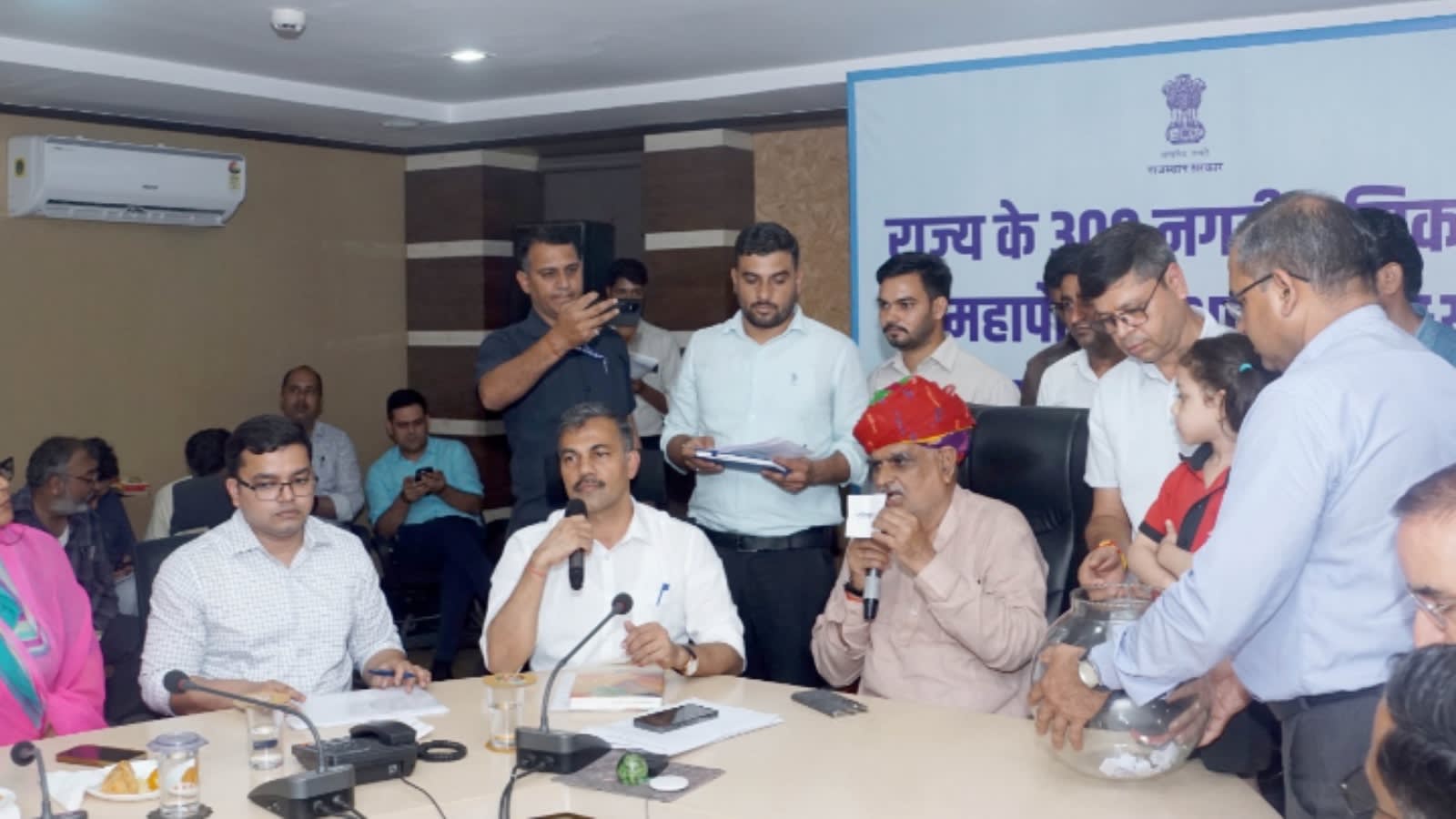
Rajasthan's new lottery-based seat reservation system for Zila Parishads is disrupting long-standing political dynasties. This shift challenges the influence of traditional families in districts like Nagaur, Jaisalmer, and Sikar.
The Erosion of Dynastic Hegemony in Rajasthan
The landscape of grassroots democracy in Rajasthan is undergoing a significant transformation due to the implementation of a lottery-based seat reservation system for Zila Parishads. For decades, the position of Zila Pramukh has been a stronghold for influential political families, who treated these roles as hereditary conduits for power. By mandating seat rotation and reservation through a randomized lottery, the state has introduced a level of unpredictability that threatens to dismantle the entrenched 'dynasty politics' that have characterized rural governance in the region.
Impact on Regional Power Hubs
Districts such as Nagaur, Jaisalmer, and Sikar have long been identified as bastions where political families exert disproportionate influence over administrative decision-making. Historically, these families utilized their social and political capital to secure nominations, often ensuring that the Zila Pramukh position remained within their immediate circle. The current lottery system effectively disrupts these established pipelines, forcing parties to look beyond the usual suspects and providing an opening for new, non-dynastic leadership to emerge within the Zila Parishad structure.
Historical Context of Political Patronage
To understand the magnitude of this change, one must look at the 2020 local body elections, where 50% of the Zila Pramukhs—10 out of 20—were directly linked to prominent political families. This trend was not limited to a single party; both Congress and BJP cadres frequently leveraged their influence to install wives, daughters, and daughters-in-law into these critical roles. This practice effectively turned local government units into extensions of household political interests, often prioritizing family legacy over grassroots representation.
The Erosion of Party Discipline
The systemic shift toward lottery-based reservation has also exposed the fragility of internal party discipline. When traditional political families find their paths to power blocked by the lottery, they have increasingly shown a willingness to bypass party dictates. In several instances, leaders have gone against their own party mandates, prioritizing the preservation of their family's political footprint over organizational loyalty. This behavior highlights the extent to which these families viewed the Zila Pramukh position as their proprietary right rather than a public service role.
Future Trends and Democratic Implications
Looking ahead, this transition suggests a potential democratization of local governance. As the lottery system continues to cycle through seats, the monopoly held by a select few families will likely continue to weaken. While resistance from established political dynasties is inevitable, the long-term trend points toward a more diverse, albeit volatile, political environment. This structural change may foster greater competitiveness in upcoming elections, compelling political parties to cultivate a broader base of candidates rather than relying on a small circle of well-connected households.