The whispered suggestion from ‘mem sahab’ Meena Kumari that left Rajendra Kumar grateful forever
Source Entity
The Indian Express
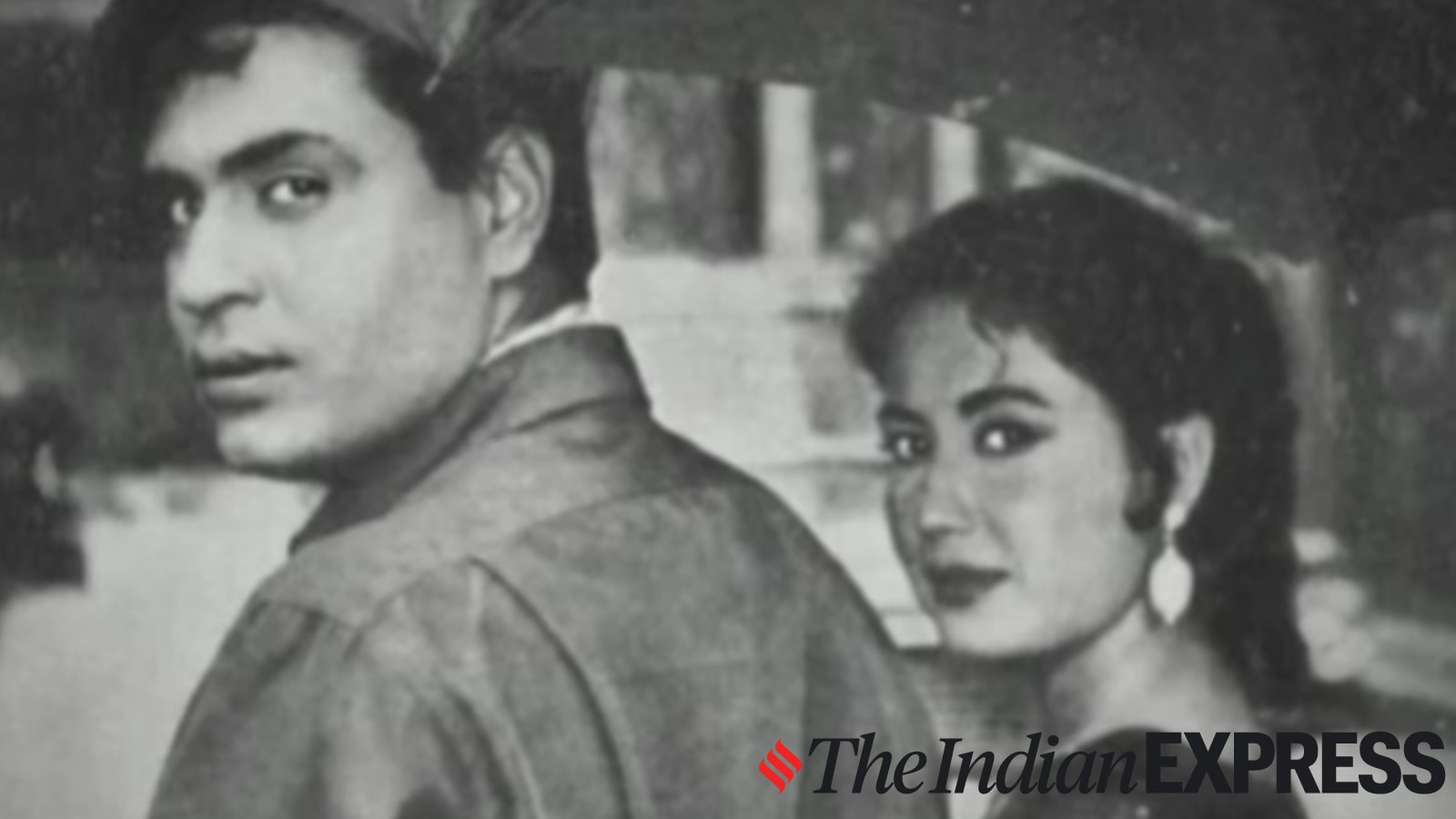
The professional bond between Rajendra Kumar and Meena Kumari defined a golden era of Indian cinema. Their collaboration, beginning with Kumar's debut, was marked by mutual respect and Kumari's significant mentorship.
A Legacy of Mentorship: The Bond Between Rajendra Kumar and Meena Kumari
In the annals of Indian cinema, few professional relationships illustrate the spirit of mentorship as poignantly as that between the late Rajendra Kumar and the legendary Meena Kumari. Their collaboration spanned several iconic films, including Chiragh Kahan Roshni Kahan (1959), Dil Ek Mandir (1963), and Pyaar Ka Saagar (1961). These films were not merely box-office successes; they served as the foundation for a lasting professional and personal respect that defined the early career of Rajendra Kumar.
The Debut and the Genesis of Respect
Rajendra Kumar’s entry into the industry was bolstered significantly by Meena Kumari, who was already an established star by the time they first shared the screen. Kumar often referred to her as 'Mem Sahab,' a term of endearment and profound respect that highlighted the generational and experiential gap between the two. This dynamic was rooted in the support Kumari provided during Kumar's very first shot, an experience that left a permanent impression on the budding actor.
The Dynamics of On-Screen Chemistry
The chemistry between the two actors was characterized by a gentle, supportive nature that translated into powerful performances on screen. In movies like Dil Ek Mandir, their ability to convey complex emotional narratives was a testament to the comfort they shared off-camera. For Rajendra Kumar, the guidance provided by Meena Kumari was not just about acting techniques; it was about understanding the nuances of screen presence and the emotional weight required for the roles they played.
Institutional Knowledge and Artistic Growth
Rajendra Kumar’s own reflections on their time together underscore a critical aspect of old-world Bollywood: the informal apprenticeship system. By seeking guidance from a senior actor like Meena Kumari, Kumar was able to accelerate his learning curve. He credited her with being a caring and gentle human being who actively nurtured his growth, allowing him to transition from a newcomer to a lead actor capable of carrying diverse narratives.
Broader Implications for Indian Cinema
This relationship serves as a microcosm of the collaborative environment that defined the mid-20th-century Indian film industry. Unlike the isolated star culture that sometimes permeates modern cinema, the era of Kumar and Kumari was defined by an ecosystem where senior actors took responsibility for the craft of their younger counterparts. This legacy of mutual respect contributed significantly to the high artistic quality of the films produced during this era.
Conclusion: An Enduring Tribute
Ultimately, the gratitude Rajendra Kumar expressed toward Meena Kumari highlights a profound truth about the nature of artistic success: it is rarely achieved in a vacuum. By acknowledging her influence, Kumar not only paid tribute to a peer but also highlighted the vital role that mentorship plays in the longevity of any actor's career. Their collaborative efforts remain a cherished part of cinematic history, reminding audiences of a time when grace and professional camaraderie were the hallmarks of stardom.