Jailer 2 actor Rajinikanth explains why he rejected Baasha 2 and Petta 2
Source Entity
The Indian Express
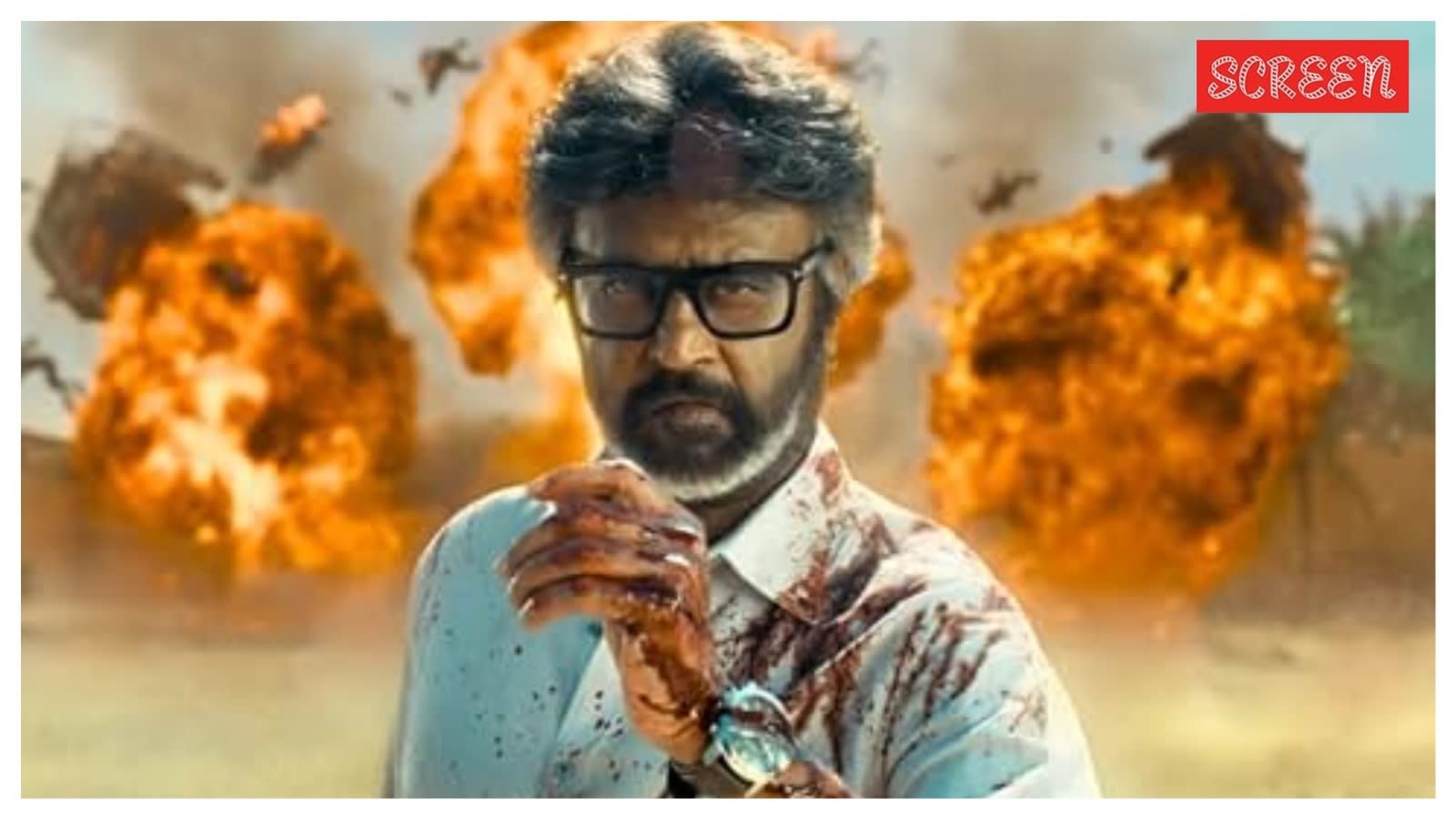
Superstar Rajinikanth has confirmed his reluctance toward sequels, revealing he turned down follow-ups for Baasha and Petta. Despite this historical aversion, he is now preparing for the release of Jailer 2, potentially his first major franchise.
The Evolution of a Superstar: Rajinikanth’s Stance on Sequels
Superstar Rajinikanth, a titan of Indian cinema, has long maintained a career defined by standalone cinematic experiences. As he prepares for the release of Jailer 2, the industry and his massive fan base are keenly observing a shift in his creative trajectory. While the actor has cemented his legacy through iconic roles, his recent admission regarding his historical aversion to franchise filmmaking provides a fascinating glimpse into his artistic philosophy.
A History of Rejection: Why Baasha and Petta Remained Standalone
For decades, Rajinikanth has been approached by filmmakers eager to capitalize on the massive success of his past hits. Notably, he revealed that Sathya Movies attempted to pursue a sequel to the cult classic Baasha, and director Karthik Subbaraj pitched a continuation of Petta that would have centered on the evolution of Vijay Sethupathi’s character. Despite the commercial potential inherent in these sequels, Rajinikanth declined them, citing a creative dissatisfaction with the formulaic nature of franchise extensions.
The 'Formula' Critique
Rajinikanth’s refusal stems from a specific concern: the 'spice' factor. He argues that sequels often suffer from a repetitive cycle where filmmakers merely take the successful elements of the original and amplify them without adding genuine narrative depth. By avoiding these sequels, the 75-year-old actor has historically protected the integrity of his most beloved characters, ensuring that films like Baasha remain encapsulated in their own time and artistic merit.
The Paradigm Shift: Embracing Jailer 2
The announcement of Jailer 2 represents a significant departure from this long-standing policy. It signals that for the first time in his legendary career, the actor has found a narrative compelling enough to justify the expansion of a cinematic world. This move suggests that the Jailer universe possesses a structural longevity that his previous works lacked, or perhaps that the actor’s perspective on legacy-building has evolved to embrace the modern trend of interconnected storytelling.
Implications for the Indian Film Industry
In an era where 'universes' and 'franchises' dominate box office charts, Rajinikanth’s participation in a sequel carries immense weight. His endorsement of Jailer 2 could set a new benchmark for how legacy actors approach long-term storytelling. If this project succeeds, it may encourage the veteran superstar to revisit other intellectual properties or engage in more collaborative, multi-part narratives in his twilight years.
Conclusion
Rajinikanth’s journey from rejecting Baasha 2 to leading Jailer 2 highlights a nuanced balance between artistic caution and the changing demands of the film market. While he remains critical of superficial sequels, his willingness to expand the Jailer narrative underscores a willingness to adapt. As fans await the release, the film stands not just as a sequel, but as a landmark moment in the career of an actor who is finally ready to build a lasting cinematic franchise.