The ‘Rakhandars’ are walking from village to village — to protect Konkan
Source Entity
Alok Deshpande
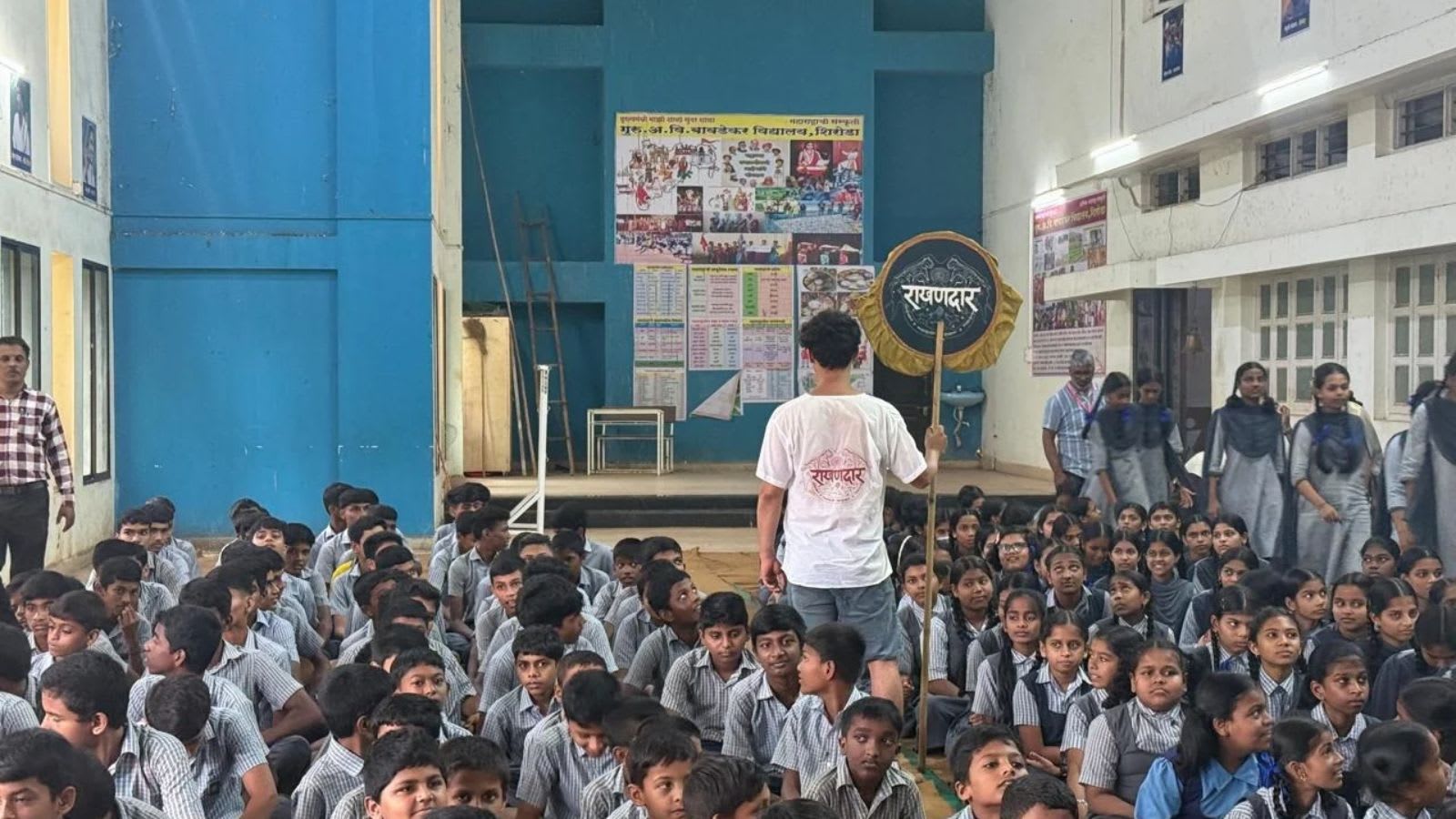
The 'Rakhandar Yatra' is a grassroots initiative where youth travel across the Konkan region to mobilize communities against environmental threats. By invoking the cultural symbolism of guardian deities, they aim to balance modern development with the preservation of local land and water resources.
The Rakhandar Yatra: Reclaiming Konkan’s Ecological Identity
In an era defined by rapid industrialization and shifting land-use patterns, the Konkan region of India finds itself at a critical crossroads. The emergence of the 'Rakhandar Yatra'—a grassroots movement led by young activists—represents a burgeoning shift in how local communities engage with development. By traversing villages from the Goa-Karnataka border to the districts of Sindhudurg and Ratnagiri, these organizers are creating a vital bridge between traditional cultural values and modern environmental advocacy.
The Intersection of Culture and Conservation
The term 'Rakhandar,' meaning guardian or protector, is deeply rooted in the folklore of the region, drawing inspiration from the deity Vetoba (or Vetal). By adopting this nomenclature, the youth movement is not merely staging a protest; they are re-contextualizing ancestral duty for a contemporary climate. This cultural anchoring allows the movement to resonate with rural populations, framing the protection of rivers, forests, and coasts as a spiritual and social obligation rather than just a political stance.
Addressing the Development Paradox
The movement highlights a series of pressing challenges that threaten the region’s stability. Specifically, the group is confronting the proposed river diversion on the Goa-Karnataka border, which risks altering vital hydrological cycles. Simultaneously, they are addressing mining concerns in Sindhudurg and the proliferation of large-scale infrastructure projects in Ratnagiri. These issues are compounded by the alienation of coastal land to outside developers, which effectively displaces local fishing and farming communities from their traditional livelihoods.
Mobilization Through Dialogue
Unlike top-down advocacy models, the Rakhandar Yatra prioritizes horizontal, village-to-village communication. Since June, the participants have been engaging directly with farmers and fishing communities to document local grievances and foster a unified front. This methodology ensures that the movement remains authentic to the lived experiences of those directly impacted by development, rather than being driven by external agendas.
Broader Implications for Environmental Justice
The Rakhandar Yatra serves as a microcosm for the broader struggle for environmental justice in coastal India. As climate change exacerbates the fragility of these ecosystems, the push for industrial development often overlooks the long-term ecological costs. The success of this movement may set a precedent for how other regions in India can utilize cultural heritage to build resilient, community-led defenses against unsustainable land use and resource exploitation.
Future Trends and Sustainability
Looking ahead, the movement faces the difficult task of transforming local awareness into actionable policy change. As the Rakhandar Yatra continues its journey, its ability to influence regional planning authorities will be tested. However, by fostering a new generation of local leaders who see themselves as custodians of the land, the movement has already succeeded in shifting the discourse from 'development at any cost' to 'development with guardianship,' potentially influencing future developmental policies in the Konkan belt.