TV serial to blockbuster: How Ramayana frees Bollywood from polarisation politics
Source Entity
Vikas Pathak
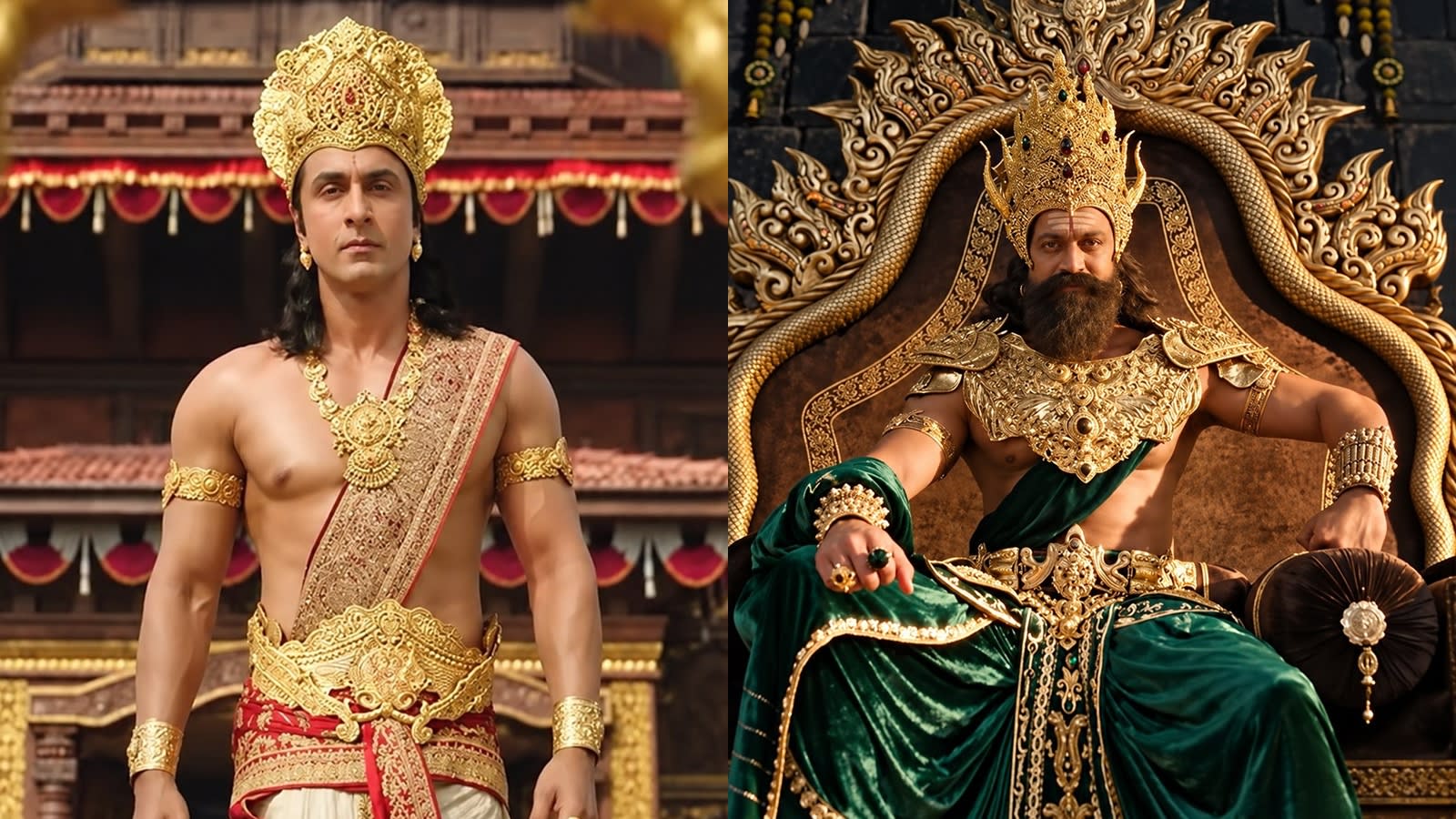
The Hindi film industry is attempting a creative reset with a new Ramayana adaptation, aiming to move past the controversy of previous iterations. By distancing itself from partisan political narratives, this project seeks to restore the epic's cultural resonance.
A New Chapter for Epic Cinema
The Hindi film industry is currently witnessing a significant pivot in how it approaches mythological storytelling, specifically regarding the Ramayana. Following the critical failure of the 2021 film Adipurush—which faced severe backlash for its use of colloquial slang and a controversial characterization of Ravana—the industry is attempting a course correction. This latest project, starring Ranbir Kapoor as Ram and Yash as Ravana, represents a strategic shift intended to move away from the creative missteps of recent years.
Moving Beyond Polarized Narratives
For much of the recent past, Bollywood's portrayals of historical and mythological subjects have been heavily criticized for being tethered to contemporary political agendas. Many observers have argued that these films were designed to influence public opinion through a partisan lens, often sacrificing nuance for ideological signaling. By contrast, the current production of Ramayana is being positioned as a departure from these divisive tropes, focusing instead on the epic narrative itself rather than serving as a vehicle for modern political discourse.
The Shadow of Adipurush
The shadow of Adipurush looms large over this new endeavor. The previous film’s reliance on modern, street-level dialogue and a divisive aesthetic alien to traditional interpretations of the epic led to widespread public dissatisfaction. The industry now faces the challenge of reclaiming the audience's trust by delivering a product that honors the source material's cultural significance while adhering to high production standards, effectively acting as a litmus test for the viability of mythological blockbusters in the current climate.
Cultural Resonance and Artistic Integrity
The choice of casting—pairing Ranbir Kapoor and Yash—suggests a pan-Indian approach to the epic, aiming to bridge regional cinematic divides and appeal to a broader demographic. This shift in casting and tone is indicative of a broader industry trend where filmmakers are recognizing that audiences are increasingly weary of overtly political subtexts in their entertainment. The focus here appears to be on spectacle and narrative fidelity, which is a departure from the recent trend of using mythology to comment on contemporary socio-political tensions.
Future Trends in Mythological Cinema
As the industry moves forward, this project will likely set the tone for how studios handle sensitive mythological material. If this film succeeds in avoiding the pitfalls of partisan polarization, it could usher in a new era where historical and mythological epics are evaluated purely on their artistic merit and technical execution. The industry is effectively testing whether a more neutral, respectful approach can yield the same financial success as the more controversial, headline-grabbing projects of the past few years.
Conclusion
In summary, the latest Ramayana adaptation serves as a pivotal moment for Bollywood. By consciously detaching itself from the political baggage that has marred previous projects, the film aims to redefine how the Hindi film industry translates ancient epics for a modern audience. Success for this film would not only be a commercial victory but a signal that the audience prefers a return to classical storytelling over the divisive narratives that have dominated the screen for far too long.