Ravi Kishan supports censorship in films ahead of Mirzapur release: ‘Films affect the youth’
Source Entity
The Indian Express
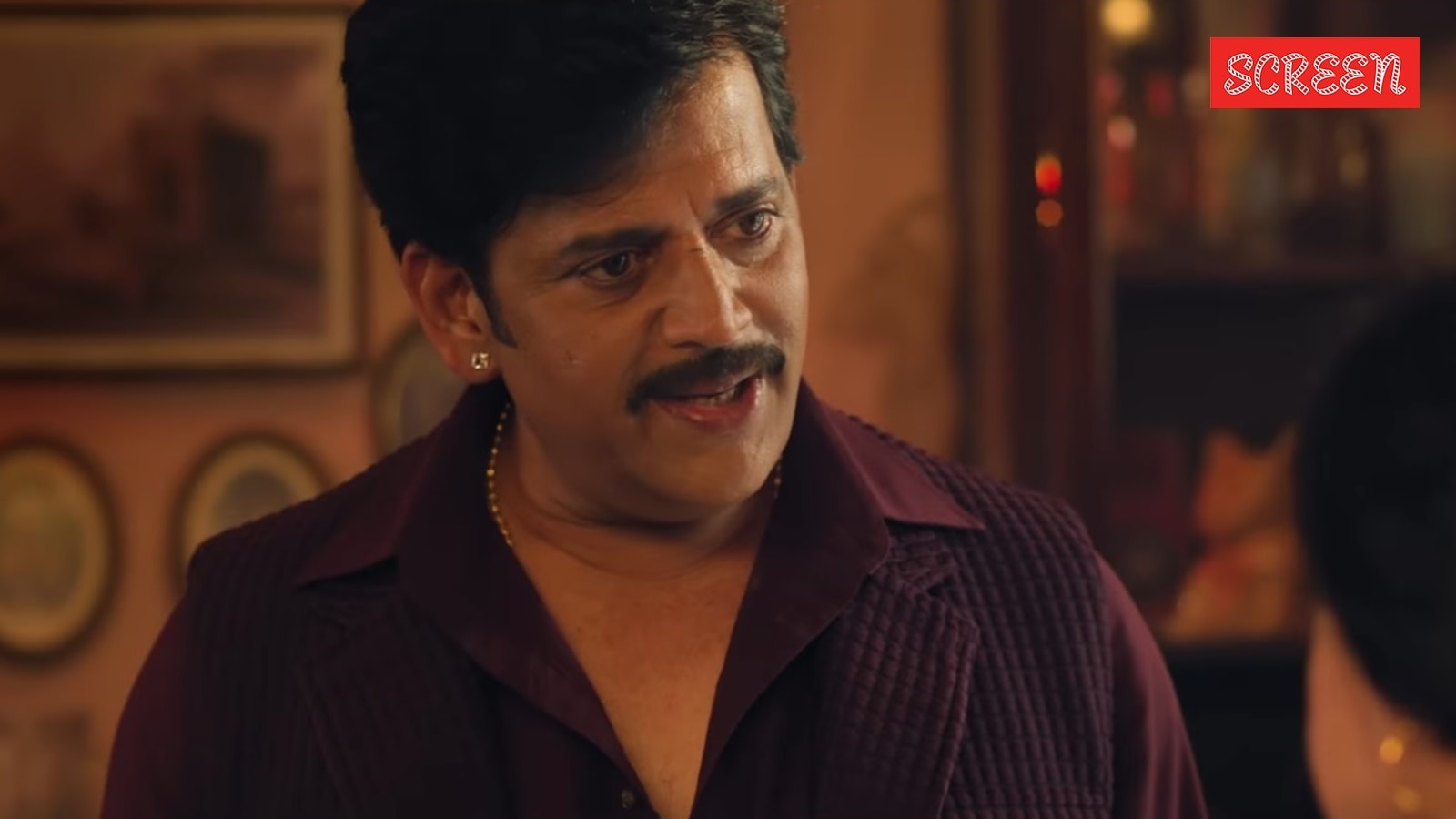
Actor-politician Ravi Kishan has advocated for increased film censorship, citing the influence of media on youth. His comments come amid controversies surrounding OTT content like 'Satluj' and broader debates on creative freedom.
The Intersection of Cinema and Policy: Ravi Kishan’s Stance on Censorship
A Dual Perspective: Actor and Legislator
Ravi Kishan, a veteran of the Indian film industry with a career spanning over three decades, occupies a unique position in the public discourse. Known colloquially as the “Brad Pitt of Bihar” and a self-described “encyclopedia on cinema,” his dual identity as an actor and a politician allows him to view media regulation through both a creative and a governance-oriented lens. His recent appearance at The Indian Express’ Idea Exchange highlights the growing tension between artistic expression and the perceived need for social oversight in the digital age.
The Catalyst: The Case of 'Satluj'
The discourse around censorship was prompted by the recent struggles of the Diljit Dosanjh-starrer Satluj. The film faced significant hurdles, failing to secure a certificate for theatrical release and subsequently being pulled from an OTT platform just two days after its debut. This incident serves as a critical case study for the evolving landscape of Indian cinema, where the transition from traditional theatrical releases to streaming services has not necessarily bypassed the scrutiny of regulatory bodies or the sensitivity of public sentiment.
The Argument for Sensitivity and Youth Protection
During the discussion, Kishan argued that films inherently affect the youth, suggesting that content creators bear a moral responsibility to consider the societal impact of their narratives. By pointing toward a "sensitivity" issue regarding Satluj, he signaled an alignment with the perspective that certain topics require careful handling to prevent social disharmony. This viewpoint reflects a broader conservative approach to media, where the protection of cultural values is often prioritized over absolute creative liberty.
Navigating the CBFC and OTT Regulation
Kishan’s remarks also touched upon the role of the Central Board of Film Certification (CBFC) and the potential for heavy censorship of his own projects. As an "encyclopedia on cinema," his willingness to entertain the idea of strict oversight suggests a belief that the current regulatory mechanisms, or perhaps more stringent ones, are necessary for maintaining decorum. This stance is particularly significant given the current ambiguity surrounding the regulation of OTT platforms in India, which have historically enjoyed more freedom than traditional film media.
Future Trends in Digital Censorship
Looking forward, the trend suggests a tightening grip on digital content. As platforms like Netflix, Amazon Prime, and others continue to produce localized content, the government's role in monitoring this output is likely to expand. The debate ignited by figures like Ravi Kishan indicates that the industry is heading toward a more harmonized regulatory framework where streaming content may eventually face scrutiny comparable to theatrical releases, balancing the demands of artistic innovation with the political imperatives of social stability.