Who are the Ravidassias and why do they want a separate religion category in Census?
Source Entity
Anju Agnihotri Chaba
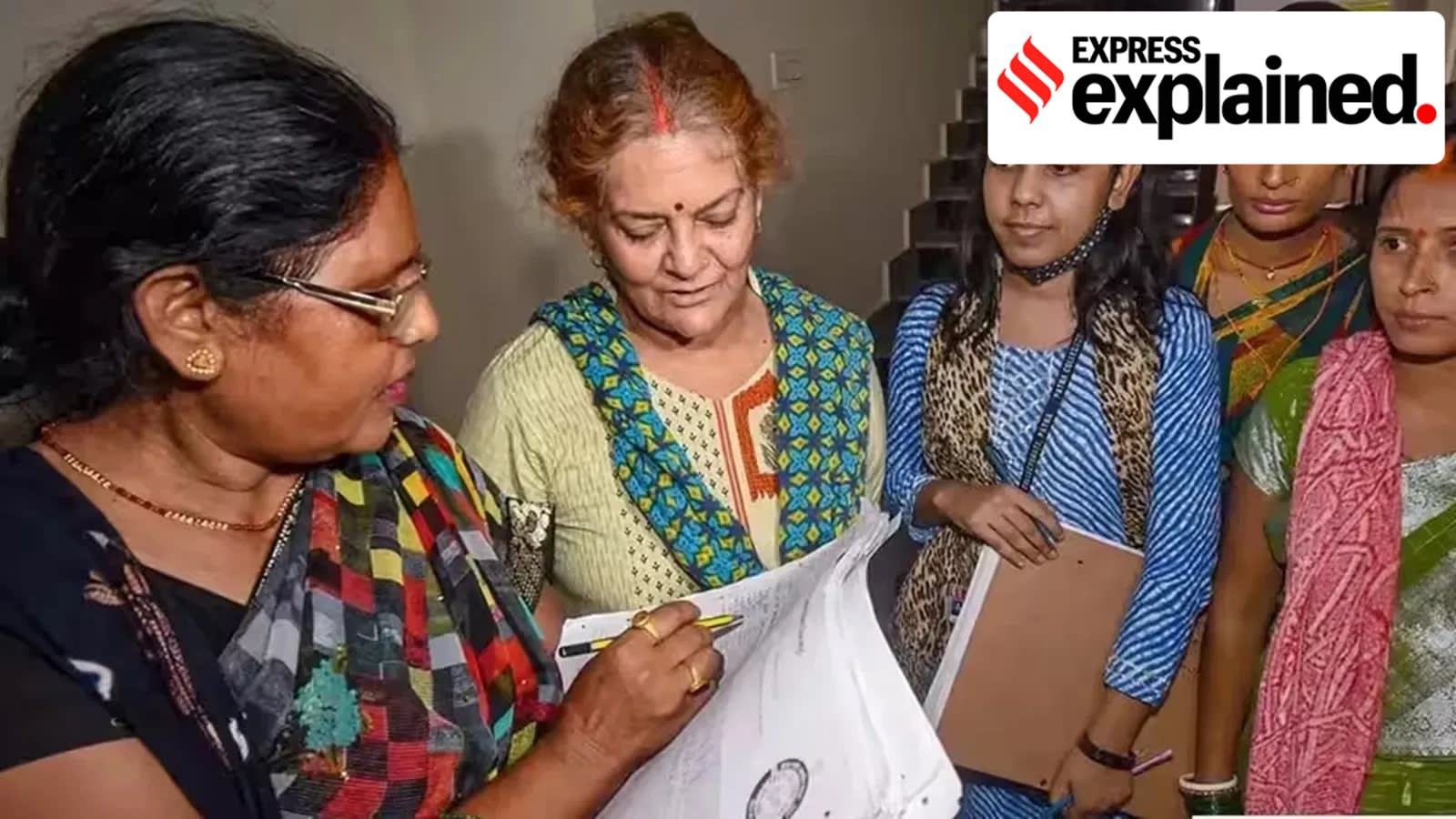
The Ravidassia community is seeking a separate religion category in the Indian Census to formally recognize their distinct identity, a movement that gained momentum in 2010 and carries significant political weight, particularly in Punjab.
The Quest for Identity: Understanding the Ravidassia Demand for Census Recognition
The demand by the Ravidassia community for a separate religion category in the Indian Census is far more than a request for a bureaucratic change; it is a profound assertion of social, cultural, and spiritual autonomy. The Ravidassias, followers of the 15th-century saint-poet Guru Ravidass, have long navigated the complexities of the Indian caste system, historically facing systemic marginalization as part of the Dalit community. By seeking a distinct code in the Census, the community aims to formalize an identity that separates them from the overarching umbrellas of Hinduism or Sikhism, thereby claiming a unique space in India's pluralistic social fabric.
Historical Roots and the Legacy of Guru Ravidass
To understand this movement, one must look back at the teachings of Guru Ravidass, a pivotal figure in the Bhakti movement. His philosophy centered on the concept of Begampura—a land without sorrow, where there is no poverty, no caste hierarchy, and no oppression. For centuries, his followers have drawn strength from this vision of absolute equality. While the community was historically integrated into the broader religious structures of Northern India, the persistent experience of untouchability and caste-based discrimination fueled a desire to establish a spiritual identity that is inherently egalitarian and independent of the structures that historically oppressed them.
The 2010 Pivot: From Sect to Separate Faith
While the sentiment of distinctiveness has existed for generations, the movement reached a critical turning point in 2010. During this period, a significant section of the community formally declared themselves as practitioners of a separate faith. This shift was characterized by the creation of their own religious scriptures and the establishment of distinct places of worship, moving away from the traditional Guru Granth Sahib in some instances to emphasize their specific lineage. This declaration was a strategic and spiritual move to shed the labels imposed upon them by others and to define their existence on their own terms.
The Strategic Importance of the Census
In the Indian context, the Census is not merely a head-count; it is a powerful tool for policy-making, resource allocation, and political representation. For the Ravidassias, being categorized under 'Other' or grouped with a larger religion dilutes their demographic visibility. A separate religion code would provide empirical evidence of their population size and distribution, which is essential for advocating for specific rights, scholarships, and social welfare programs. It transforms a subjective sense of identity into an objective, state-recognized fact, granting the community a stronger lever in negotiations with the government.
Political Implications in Punjab
The demand holds particular resonance in Punjab, a state where Dalit politics play a decisive role in electoral outcomes. The Ravidassia identity often intersects with political mobilization, as various parties attempt to court the Dalit vote bank. By asserting a separate religious identity, the community creates a more cohesive political bloc, making them a more formidable force in state politics. This shift forces political leadership to address their specific grievances—such as land rights and social dignity—rather than treating them as a generic subset of a larger religious group.
Broader Sociological Trends and Future Outlook
This movement mirrors a broader trend across India, similar to the mass conversion to Buddhism led by Dr. B.R. Ambedkar, where marginalized groups seek liberation through a change in religious affiliation. The Ravidassia demand suggests that for many, spiritual liberation is inextricably linked to social liberation. Looking forward, it is likely that this movement will continue to grow, potentially leading to increased fragmentation of traditional religious categories in the Census as more sub-groups seek formal recognition to escape caste-based stigmas.
Conclusion
Ultimately, the Ravidassia community's struggle for a separate Census category is a quest for dignity and visibility. By linking their spiritual heritage to a formal state recognition, they are challenging the traditional hierarchies of Indian society. Whether the state grants this request or not, the movement has already succeeded in galvanizing a community around a shared vision of equality and self-respect, ensuring that their voice remains a critical component of India's ongoing democratic and social evolution.