Ravindra Dhangekar, wife get anticipatory bail in businessman suicide case
Source Entity
The Indian Express
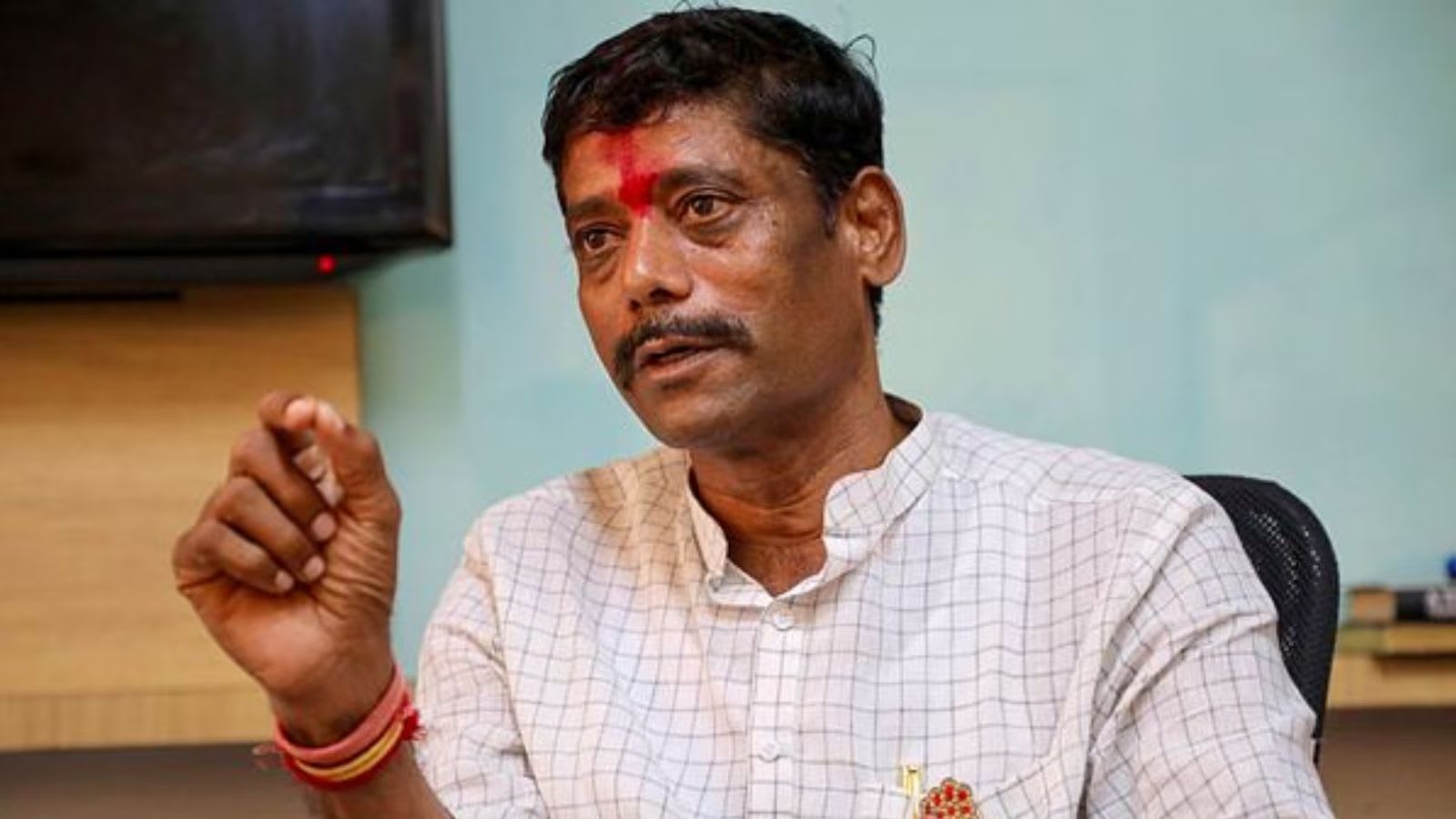
A Pune court has granted anticipatory bail to former MLA Ravindra Dhangekar and his wife regarding an abetment to suicide case involving a local businessman. Meanwhile, the court denied similar relief to former corporator Bala Shedge as investigations continue into the victim's death.
Legal Developments in the Pune Businessman Suicide Case
Recent judicial proceedings in Pune have brought significant attention to the tragic death of 65-year-old businessman Khalil Rajjulal Shaikh. On Thursday, a local court issued a pivotal ruling concerning the 14 individuals booked for the alleged abetment of his suicide. Among those granted anticipatory bail were former MLA and Shiv Sena leader Ravindra Dhangekar and his wife, marking a significant legal development in a case that has drawn considerable public scrutiny.
The Incident and Police Investigation
The tragic incident occurred on the night between July 15 and July 16, when Shaikh was found dead at his residence in the Gultekdi area of Pune. Upon discovering the scene, family members alerted the authorities, leading to a swift response from the Swargate police station. Investigators recovered multiple suicide notes and cellphone video recordings left by the victim, which reportedly highlighted his severe financial struggles and mounting debt, serving as the primary impetus for the ongoing police inquiry.
Disparate Judicial Outcomes
While the court provided relief to Ravindra Dhangekar and his spouse, the same legal protection was not extended to all accused parties. Notably, the court rejected the anticipatory bail plea of former corporator Bala Shedge. This differentiation in judicial outcomes underscores the complexity of the ongoing investigation, as the court evaluates the specific allegations and evidence presented against each of the 14 individuals named in the First Information Report (FIR).
Understanding Abetment of Suicide
Under Indian law, abetment of suicide is a grave charge that requires proof of active instigation or conspiracy leading a person to take their own life. In cases involving high-profile political figures and local business interests, the threshold for evidence is high. The existence of digital evidence—specifically the videos recorded by the victim—places significant weight on the forensic analysis of these recordings to determine if the named individuals exerted undue pressure or engaged in criminal intimidation.
Broader Implications and Future Trends
The involvement of political figures like Dhangekar and Shedge has naturally elevated the profile of this case within the local socio-political landscape. Such cases often trigger intense public debate regarding the intersection of political influence, financial disputes, and legal accountability. As the Swargate police continue their probe, the focus will likely remain on the authenticity of the suicide notes and the content of the victim’s final video statements to establish a clear timeline of events.
Conclusion
As the legal process unfolds, the denial of bail to certain suspects suggests that the investigation remains in an active phase, with authorities scrutinizing the roles of each of the 14 accused. The community and the victim's family await a thorough investigation that ensures justice is served. Future court proceedings will be critical in determining the extent of culpability of the accused, as the judiciary balances the rights of the individuals against the gravity of the allegations presented by the prosecution.