‘Sanjay Khan had no right to raise his hand on Zeenat Aman’: Raza Murad recalls turbulent phase
Source Entity
The Indian Express
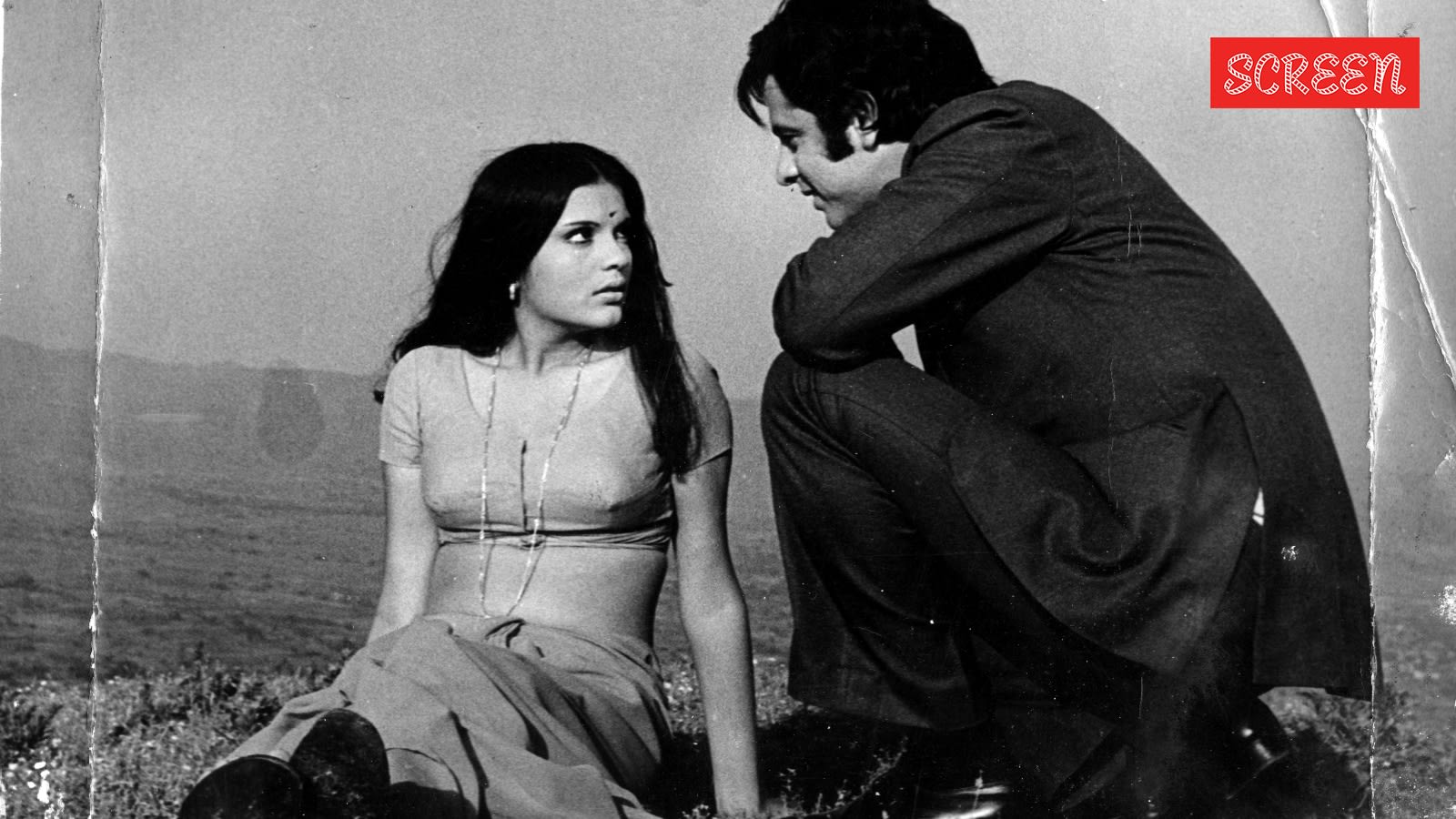
Veteran actor Raza Murad reflects on the challenging personal life of his cousin, Zeenat Aman. He highlights her difficult childhood and tumultuous relationships with Sanjay Khan and Mazhar Khan.
A Reflection on Zeenat Aman’s Personal Journey
Veteran actor Raza Murad has recently provided a candid, retrospective look into the life of his cousin, the iconic Bollywood actress Zeenat Aman. Speaking on Vickey Lalwani’s podcast, Murad shed light on the lesser-known, often painful chapters of Aman's life, tracing her journey from a lonely childhood to the complex, high-profile relationships that defined her public and private narrative. This dialogue serves as a poignant reminder of the human experiences often obscured by the glitz and glamour of the Indian film industry.
The Foundations of a Challenging Childhood
Murad, who shares a familial bond with Aman as their parents were siblings, provided historical context regarding her early years. He noted that her childhood was marked by the separation of her parents, a formative event that left her feeling isolated. Referred to affectionately by her nickname 'Babbushah,' Aman’s early life experiences are framed by Murad as the root of the vulnerabilities she would later face as a global star. Understanding this background is essential to contextualizing the emotional landscape she navigated throughout her career.
The Sanjay Khan Incident and Its Lasting Impact
One of the most significant revelations in the discussion centers on the alleged physical altercation between Zeenat Aman and actor Sanjay Khan. Murad’s account explicitly addresses the incident, which is widely reported to have caused lasting damage to Aman’s right eye. By stating that Khan had 'no right' to raise his hand against her, Murad provides a moral evaluation of an event that has remained a dark point of contention in Bollywood history, highlighting the lack of accountability faced by powerful figures in the industry during that era.
Navigating Complex Marital Bonds
Beyond her early trauma, Murad discussed the difficulties Aman encountered during her marriage to actor Mazhar Khan. These personal struggles were frequently subject to intense media scrutiny, yet Murad’s perspective adds a layer of familial empathy to the narrative. By detailing these relationships, he illustrates the pattern of adversity that Aman had to overcome, shifting the focus from the 'star' persona to the individual who endured significant interpersonal hardship.
Broader Implications and Industry Trends
This discourse highlights a growing trend in the entertainment industry where veterans are increasingly willing to pull back the curtain on the systemic issues of the past. By addressing domestic violence and the lack of support for female stars in historical contexts, Murad’s testimony serves as a form of retrospective advocacy. It encourages a more nuanced understanding of how personal suffering has historically been treated as entertainment fodder, and how contemporary audiences are now re-evaluating these narratives with greater empathy.
Conclusion
Raza Murad’s reflections on Zeenat Aman’s life offer a sobering look at the intersection of fame and personal tragedy. By anchoring the narrative in the realities of her upbringing and the specific, harmful events she endured, this account moves beyond tabloid speculation to provide a grounded, historical perspective. Ultimately, the story of 'Babbushah' remains one of resilience, reflecting the broader challenges faced by women in the spotlight who struggled to maintain their autonomy in an unforgiving public sphere.