RBI invites bids to develop ₹1,586-crore central office building at Mumbai's Nariman Point
Source Entity
Latest News: Today's Latest News Headlines from India & World | Hindustan Times | Hindustan Times
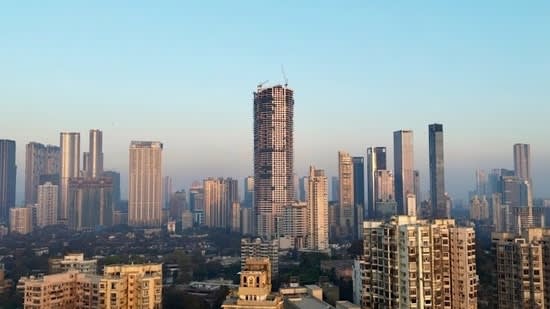
RBI plans to construct its new central office building at Mumbai's Nariman Point on the land parcel it purchased from MMRCL for ₹3,472 crore
RBI's Strategic Expansion: The New Nariman Point Central Office
In a significant move to consolidate its operational infrastructure, the Reserve Bank of India (RBI) has officially invited bids for the development of its new central office building. Located in the prestigious Nariman Point area of Mumbai, the construction phase of this project is estimated to cost ₹1,586 crore. This development marks a critical step in the central bank's long-term strategy to modernize its physical footprint in India's financial capital, ensuring that its administrative and regulatory functions are housed in a state-of-the-art facility.
Financial Magnitude and Investment Scale
The total financial commitment for this project is substantial, extending far beyond the construction costs. To secure the site, the RBI previously purchased a strategic land parcel from the Mumbai Metro Rail Corporation Limited (MMRCL) for a staggering ₹3,472 crore. When combined with the ₹1,586 crore allocated for the building's development, the total capital expenditure for this single project exceeds ₹5,000 crore. This level of investment underscores the RBI's commitment to establishing a permanent, high-capacity headquarters that can sustain the evolving needs of the nation's monetary authority.
The Strategic Importance of Nariman Point
Nariman Point has historically been the epicenter of India's financial and commercial activity, often likened to the 'Manhattan of Mumbai.' By positioning its central office here, the RBI ensures proximity to other major financial institutions, corporate headquarters, and regulatory bodies. This geographical advantage is not merely about prestige; it facilitates seamless coordination and communication between the central bank and the commercial banking sector. In a fast-paced economic environment, reducing the physical distance between the regulator and the regulated is a strategic advantage for operational efficiency.
Synergy with Urban Infrastructure (MMRCL)
The acquisition of land from the MMRCL highlights a coordinated effort within the urban planning framework of Mumbai. As the city undergoes a massive transformation through the implementation of various metro corridors, the transfer of land to the RBI represents a realignment of assets to serve public and administrative interests. This transaction ensures that the land is utilized for a purpose of national importance—the functioning of the central bank—while simultaneously providing the MMRCL with significant liquidity to potentially fuel further transit infrastructure projects.
Driving Operational Modernization
Beyond the physical structure, the move to a new central office is likely driven by the need for digital and operational modernization. Modern central banking requires highly secure data centers, advanced communication hubs, and collaborative workspaces that older buildings often cannot support. The ₹1,586-crore construction budget is expected to cover the integration of smart-building technologies, sustainable architecture, and high-security installations necessary to protect the sensitive operations of the RBI, including the management of foreign exchange reserves and monetary policy implementation.
Broader Implications for Mumbai Real Estate
The entry of the RBI into a massive development project at Nariman Point is expected to have a ripple effect on the local real estate market. The sheer scale of the investment reinforces the value of South Mumbai's commercial land, signaling to other institutional investors that the area remains the premier destination for high-value corporate assets. Furthermore, the construction phase will likely generate significant employment opportunities in the architecture, engineering, and construction sectors, contributing to the local economy during the development period.
Conclusion: A Future-Ready Central Bank
Ultimately, the construction of the new central office is more than just a real estate venture; it is an investment in the institutional capacity of the Reserve Bank of India. By combining a prime location with a modern, purpose-built facility, the RBI is positioning itself to better handle the complexities of a growing economy. This project ensures that the central bank possesses the infrastructure required to maintain financial stability and regulatory oversight for decades to come, cementing its presence in the heart of India's financial hub.
Verification Required?