Crude oil today: US-Iran conflict puts pressure on global energy market | Check petrol, diesel prices in India
Source Entity
Latest News: Today's Latest News Headlines from India & World | Hindustan Times | Hindustan Times
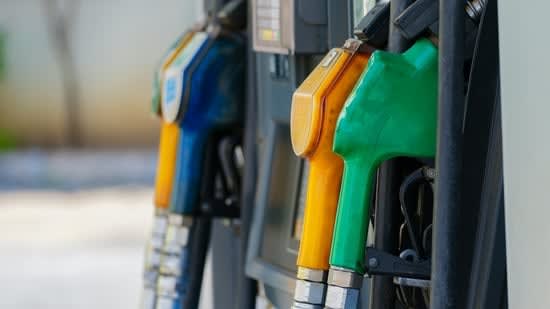
Brent crude, the global oil benchmark, quoted 1.63 per cent higher at USD 84.60 per barrel. Check petrol and diesel prices in some of the major Indian cities.
Geopolitical Volatility and the Surge in Global Oil Prices
The global energy market is currently experiencing a period of heightened volatility, as evidenced by the recent price surge in Brent crude, the primary global benchmark. Brent crude has climbed by 1.63%, reaching a price point of USD 84.60 per barrel. This upward trajectory is not a random market fluctuation but is directly tied to the escalating geopolitical friction between the United States and Iran. In the world of commodity trading, oil is often viewed as a barometer for geopolitical stability; when tensions rise in the Middle East, the market immediately prices in the risk of supply disruptions.
The US-Iran Conflict: A Catalyst for Market Anxiety
The tension between the US and Iran remains one of the most critical variables in global energy security. Because a significant portion of the world's oil passes through the Strait of Hormuz—a narrow waterway controlled largely by Iranian influence—any escalation in conflict creates an immediate 'risk premium.' Traders fear that sanctions, military skirmishes, or disruptions to shipping lanes could lead to a sudden drop in global supply. The current rise to $84.60 per barrel reflects this anxiety, as the market anticipates potential bottlenecks in oil flow from one of the world's most prolific producing regions.
Implications for the Indian Economy
India occupies a particularly vulnerable position in this scenario due to its heavy reliance on crude oil imports to meet its domestic energy demands. When Brent crude prices rise, the landing cost of oil for Indian state-run marketing companies increases, putting immense pressure on the current retail prices of petrol and diesel. While the government and oil companies often absorb some of these costs to prevent public outcry, sustained high prices typically lead to a ripple effect across the economy. Higher fuel costs increase logistics and transportation expenses, which eventually manifests as inflation in the prices of essential commodities and food items.
Broader Economic and Inflationary Pressures
Beyond the immediate impact on fuel pumps, the rise in crude prices has broader macroeconomic implications. Central banks globally are currently battling inflation; a spike in energy costs can act as a 'supply shock,' driving up the Consumer Price Index (CPI) and complicating the efforts of policymakers to stabilize interest rates. If the US-Iran conflict continues to put upward pressure on oil, we may see a trend of 'cost-push inflation,' where the increased cost of production for goods—driven by energy expenses—forces prices higher for the end consumer, potentially slowing global economic growth.
Future Outlook and Market Trends
Looking ahead, the energy market is likely to remain sensitive to every diplomatic development between Washington and Tehran. If a diplomatic resolution is reached, we can expect a correction in prices as the 'risk premium' evaporates. However, if the conflict escalates, Brent crude could potentially test higher resistance levels. Simultaneously, this volatility may accelerate the transition toward renewable energy sources and electric vehicles (EVs) in countries like India, as governments seek to reduce their strategic dependence on volatile foreign oil markets to ensure long-term energy security.
Conclusion
In summary, the rise of Brent crude to $84.60 per barrel is a direct manifestation of the precarious relationship between the US and Iran. This geopolitical instability not only threatens global energy stability but also poses a direct economic challenge to import-dependent nations like India. As the world monitors the situation in the Middle East, the interplay between political diplomacy and commodity pricing will remain the central narrative driving the global energy landscape.
Verification Required?