RBI raises interest rates, hikes FY27 growth forecast by 40 bps and inflation by 20 bps
Source Entity
MAYUR SHETTY
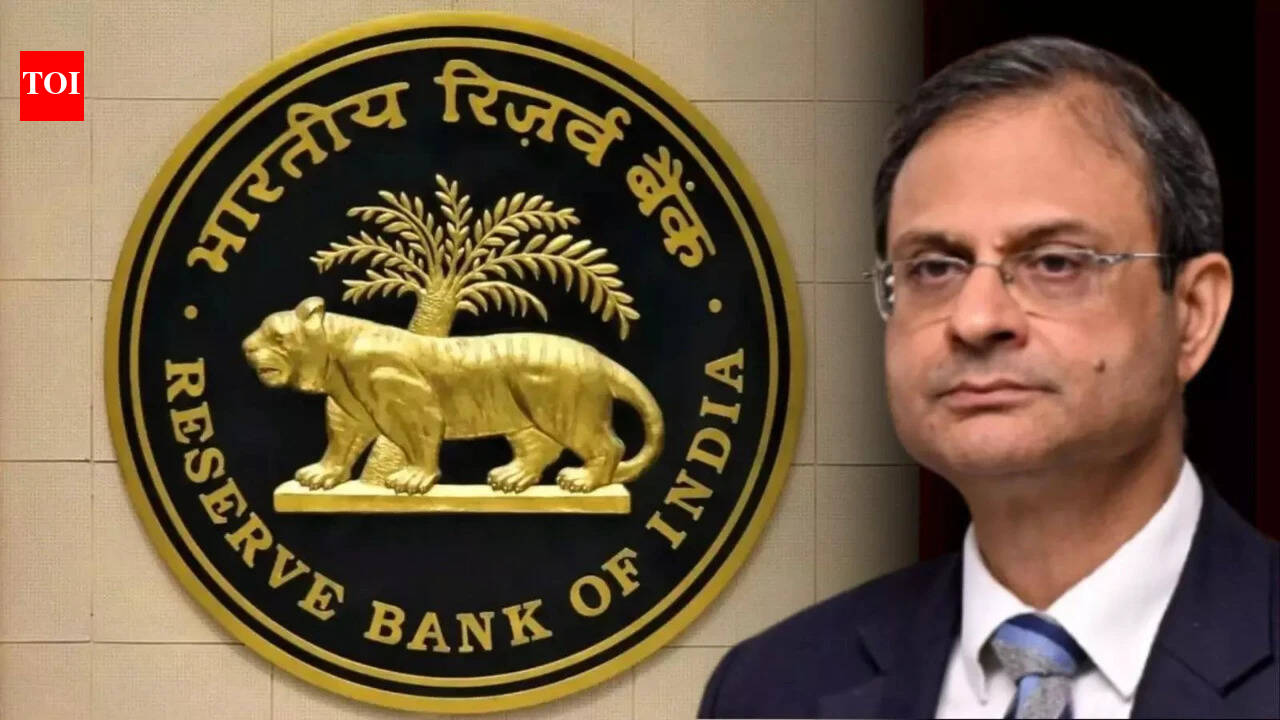
The Reserve Bank of India has raised its repo rate by 25 basis points to 5.50% to combat rising inflation and global economic pressures. The central bank has shifted to a 'calibrated tightening' stance, signaling that further rate hikes are likely while ruling out near-term cuts.
RBI Shifts Stance: Repo Rate Hiked to 5.50%
The Reserve Bank of India (RBI) has officially signaled a pivot in its monetary policy, announcing a 25 basis point hike in the repo rate, bringing it to 5.50%. This move marks the first rate adjustment since February 2023, signaling a decisive shift away from the accommodative policies of the past. The decision, aimed at curbing persistent inflationary pressures, reflects the central bank’s concern over a volatile global economic landscape characterized by high crude oil prices and a weakening rupee.
Understanding 'Calibrated Tightening'
Central to this policy shift is the Monetary Policy Committee's (MPC) move from a 'neutral' to a 'calibrated tightening' stance. This change is not merely rhetorical; it serves as a formal policy framework indicating that the RBI is prepared to prioritize price stability over liquidity support. By tightening the monetary screws, the central bank aims to anchor inflation expectations, which have been exacerbated by external supply-side shocks and shifting global interest-rate environments.
The Inflation-Growth Balancing Act
Despite the hawkish tone regarding inflation—for which the forecast has been raised to 5.2% for FY27—the RBI remains optimistic about the domestic economy. The MPC has revised its growth projection upward from 6.7% to 7.1% for FY27, citing robust economic activity. This suggests that the central bank believes the domestic recovery is resilient enough to withstand the immediate impact of higher borrowing costs without derailing the broader growth trajectory.
Impact on Borrowers and Financial Markets
The most immediate consequence of this policy adjustment is the rise in Equated Monthly Installments (EMIs) for borrowers. As the repo rate acts as a benchmark for retail and commercial lending, banks are expected to pass on these costs, leading to increased interest burdens on home, auto, and personal loans. This transition marks the end of the 'easy money' era, forcing both individual consumers and corporate entities to recalibrate their financial planning for a higher-interest-rate environment.
The Future Outlook: No Near-Term Relief
RBI Governor Sanjay Malhotra has been explicit regarding the future path of interest rates, ruling out any possibility of rate cuts in the immediate future. The messaging is clear: policy actions ahead will be limited to either further hikes or a pause, depending on how inflationary pressures evolve. This hawkish guidance is intended to provide market clarity, ensuring that stakeholders understand the central bank's unwavering commitment to its inflation-targeting mandate, even at the cost of transient economic pain.
Multiple Citing Sources