India rate panel signals impending hikes, eyes inflation path to gauge timing
Source Entity
Yahoo Finance
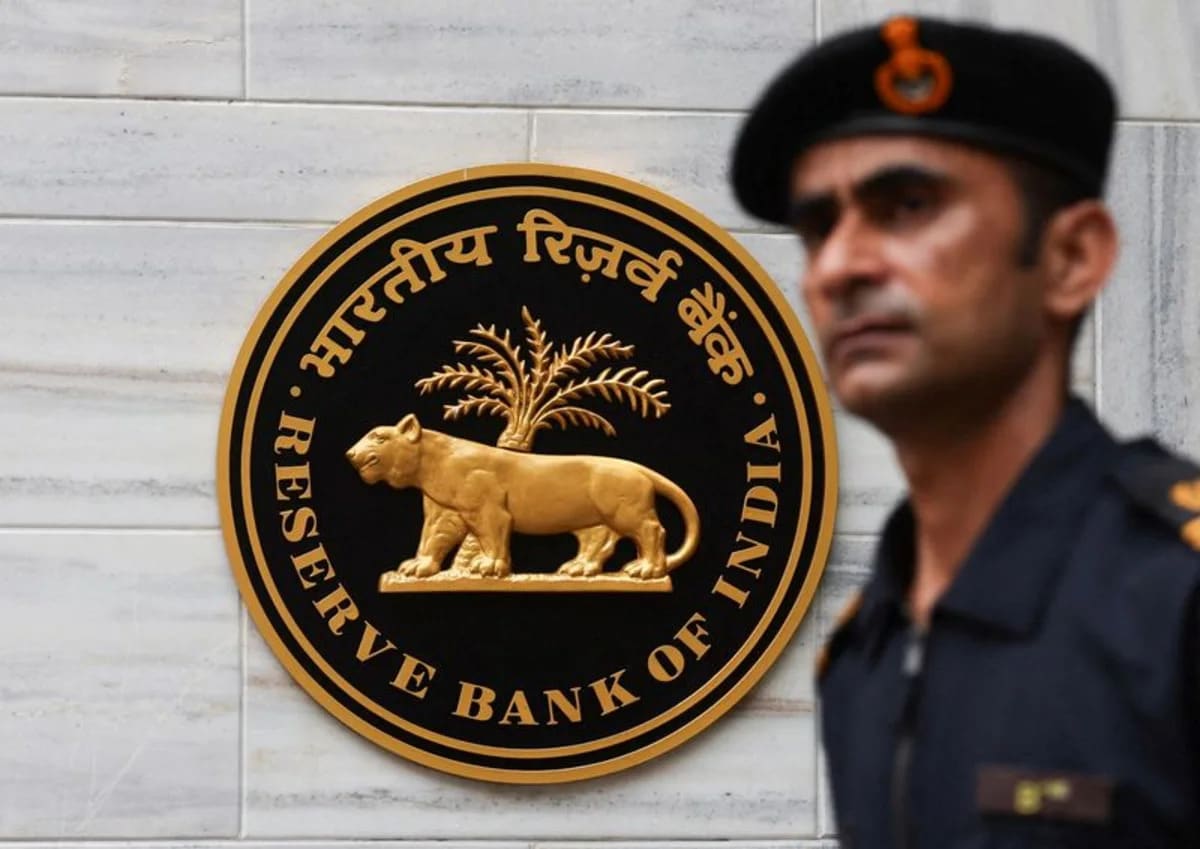
The Reserve Bank of India has maintained its repo rate at 5.25% while signaling potential future hikes due to rising inflation. Concerns over oil price volatility stemming from the Iran war are pressuring the rupee and influencing the central bank's cautious monetary outlook.
RBI Signals Hawkish Pivot Amid Global Economic Volatility
The Current Monetary Stance
In a recent policy review, the Reserve Bank of India (RBI) opted to maintain the benchmark repo rate at 5.25%, keeping its policy stance at 'neutral.' Despite this stability, minutes from the committee’s meeting reveal a significant shift in sentiment, with members leaving the door open for future rate hikes. This suggests that while the central bank is currently comfortable with the status quo, it is actively preparing to pivot if inflationary pressures intensify.
Inflationary Drivers and Supply-Side Concerns
The primary concern for the RBI is determining whether current supply-sparked inflation is becoming entrenched within the broader Indian economy. While headline consumer inflation remains relatively contained at 4.45%—well within the central bank’s 2-6% tolerance band—the fear is that transitory price shocks could evolve into structural inflation. The RBI is vigilantly monitoring economic indicators to gauge the exact timing for a potential shift in policy, balancing the need for growth with the mandate of price stability.
The Impact of Geopolitical Instability
A critical catalyst for this shift in outlook is the ongoing conflict involving Iran, which has triggered a sharp rise in global oil prices. As a significant importer of crude, India is particularly vulnerable to energy price volatility. This external shock not only threatens to push domestic inflation higher but also exerts downward pressure on the Indian rupee, complicating the central bank's efforts to manage both monetary policy and currency stability.
Market Expectations and Future Trends
Financial markets have already begun to react to these developments, with increased wagering on impending rate hikes. Investors are closely scrutinizing the RBI’s commentary for clues regarding the committee's threshold for action. If oil prices remain elevated or if supply chain disruptions persist, the central bank may be forced to abandon its 'neutral' stance in favor of a more restrictive monetary environment to curb potential demand-side inflation.
Conclusion: Navigating a Challenging Outlook
Ultimately, the Reserve Bank of India finds itself in a delicate balancing act. While the domestic economy shows signs of resilience, the convergence of global geopolitical tensions and inflationary risks necessitates a cautious, data-driven approach. The path forward will likely be defined by the RBI's ability to distinguish between temporary price fluctuations and long-term inflationary trends, ensuring that borrowing costs are adjusted only when absolutely necessary to protect the nation's macroeconomic health.