Red Sea Ships Now Seek Houthis' Clearance By Email Before Sailing: Report
Source Entity
NDTV News Search Records Found 1000
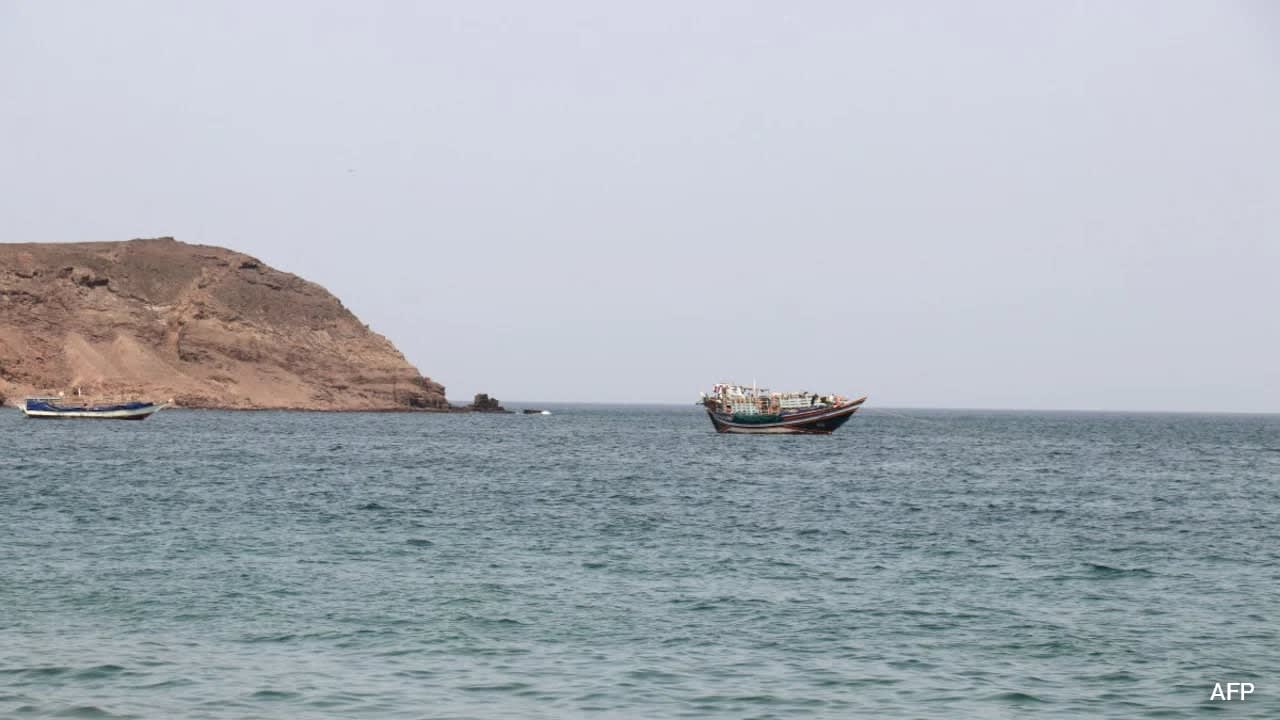
Shipping vessels are now emailing the Houthi movement to request clearance before navigating the Red Sea. This unprecedented development highlights the group's de facto control over a critical global maritime trade route.
The Changing Dynamics of Red Sea Navigation
The maritime landscape of the Red Sea has undergone a dramatic transformation as shipping companies increasingly seek clearance from the Houthi movement before entering the region. This emerging protocol, which involves vessels sending requests via email, underscores a significant shift in the balance of power within one of the world's most vital maritime corridors. By requiring such communication, the Houthis have established a de facto checkpoint that challenges traditional concepts of freedom of navigation and international maritime law.
Operational Implications for Global Trade
The necessity for vessels to request clearance—and the subsequent issuance of specific instructions by the Houthis—represents a logistical burden that disrupts the efficiency of global supply chains. When vessels must wait for review and compliance with Houthi-issued directives, it creates delays and uncertainty for cargo operators. This process forces shipping companies to weigh the risks of transit against the economic costs of rerouting around the Cape of Good Hope, a detour that adds thousands of miles and significant fuel expenses to voyages between Asia and Europe.
The Erosion of Maritime Norms
Historically, the Red Sea and the Suez Canal have operated under the assumption of safe, unhindered passage for international commercial traffic. The current situation, where non-state actors dictate terms to merchant ships, signals a degradation of these long-standing norms. This development forces ship owners into an uncomfortable position, balancing the safety of their crews and cargo against the complex political and security realities imposed by regional factions.
Security and Risk Management
For shipping companies, the transition to an email-based clearance system is a direct response to the heightened security threat environment. The fact that the Houthis are providing specific instructions after reviewing requests indicates a structured, albeit unconventional, attempt to manage maritime traffic under their sphere of influence. This reactive security strategy highlights the failure of existing international naval coalitions to fully secure the corridor, leaving private entities to navigate the security risks themselves.
Future Trends and Regional Stability
Looking ahead, the normalization of this clearance process could lead to a permanent alteration in how commercial vessels interact with regional militias. If this protocol becomes a standard operating procedure, it may further cement the Houthis' ability to exert influence over international trade lanes. The broader implication is a future where maritime transit through critical chokepoints becomes increasingly contingent upon political negotiations with local militant groups rather than relying solely on international maritime protections.
Conclusion
The requirement for Red Sea ships to seek clearance via email is a stark illustration of the current instability in the region. As this practice continues, it will likely remain a focal point for international maritime authorities and policy experts who are monitoring the continued erosion of traditional shipping safety. The reliance on these communications highlights a fragile status quo that prioritizes individual vessel safety over the broader, historical expectation of open access to international waters.
Verification Required?