The Trump coalition is shattered - what will Republicans do now?
Source Entity
BBC News
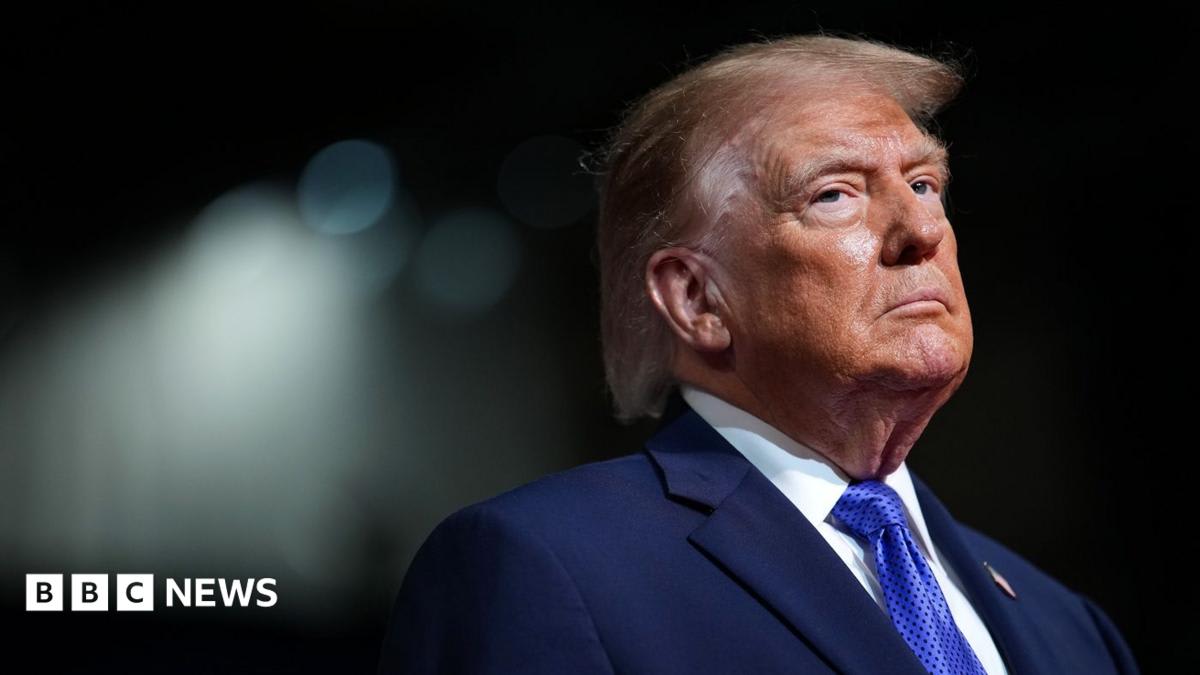
The Republican Party faces an existential crisis following a devastating loss in the 2026 midterms. Leaders and voters are now debating whether to abandon Trumpism or attempt to rebuild the MAGA coalition.
The Republican Reckoning: An Existential Crisis
The Republican Party is currently navigating a period of profound introspection following a catastrophic performance in the 2026 midterm elections. For nearly a decade, the 'Make America Great Again' (MAGA) movement has served as the foundational architecture of the GOP, propelling Donald Trump to three consecutive presidential nominations. However, the recent electoral drubbing has shattered this coalition, leaving the party to grapple with the reality that their primary political asset may have transitioned into their greatest liability.
The Anatomy of an Electoral Collapse
The scale of the defeat has been characterized by high-ranking officials as an 'extinction-level event.' Outgoing Florida Governor Ron DeSantis highlighted the gravity of the situation, signaling that the party’s current trajectory is unsustainable. The sentiment on the ground mirrors this elite-level anxiety; supporters who once viewed Trump as an unstoppable political force are now openly questioning his viability. The narrative shift from 'Trump as the savior' to 'Trump as the cost' suggests a fundamental breakdown in voter loyalty that defined the previous decade of American politics.
The Impact of External Factors
A critical component of the party's current turmoil involves external policy pressures, specifically the ongoing war with Iran. Vice-President JD Vance has attempted to frame the electoral losses as a byproduct of public frustration regarding this conflict rather than a rejection of the party’s core ideology. By attributing the defeat to external geopolitical stressors, the administration hopes to avoid a complete ideological purge, suggesting that the party can recover if it manages to successfully navigate or conclude the current military engagement.
The Path Forward: Doubling Down or Pivot?
Republicans now stand at a strategic crossroads. One faction advocates for doubling down on the populist, nationalist policies that define Trumpism, believing that the core message remains popular despite the 2026 results. Conversely, a growing chorus of skeptics argues that the party must chart a new, more moderate path to remain relevant in a shifting electoral landscape. This internal tension is likely to define the legislative and campaign strategies of the GOP for the remainder of the current presidential term.
Historical Context and Future Implications
Historically, political parties that lose their unifying figurehead often experience a period of intense fragmentation, and the GOP is no exception. Having reshaped the party in his image for over nine years, Trump’s influence remains a gravitational force, even as his electoral efficacy wanes. The coming months will be critical as primary candidates, donors, and party strategists decide whether to remain tethered to the Trumpian brand or to seek a post-Trump identity that can appeal to a broader, more disillusioned electorate.
Conclusion: A Party at the Crossroads
The 2026 midterms have fundamentally altered the political calculus for the Republican Party. Whether they can reconcile their past successes with their present failures will determine their survival as a coherent political force. As the party moves forward, the primary challenge will be addressing the 'Trump cost' while attempting to maintain the coalition that once dominated the American political sphere.
Multiple Citing Sources