Why get an expensive Pi when I have an old phone?
Source Entity
Hacker News
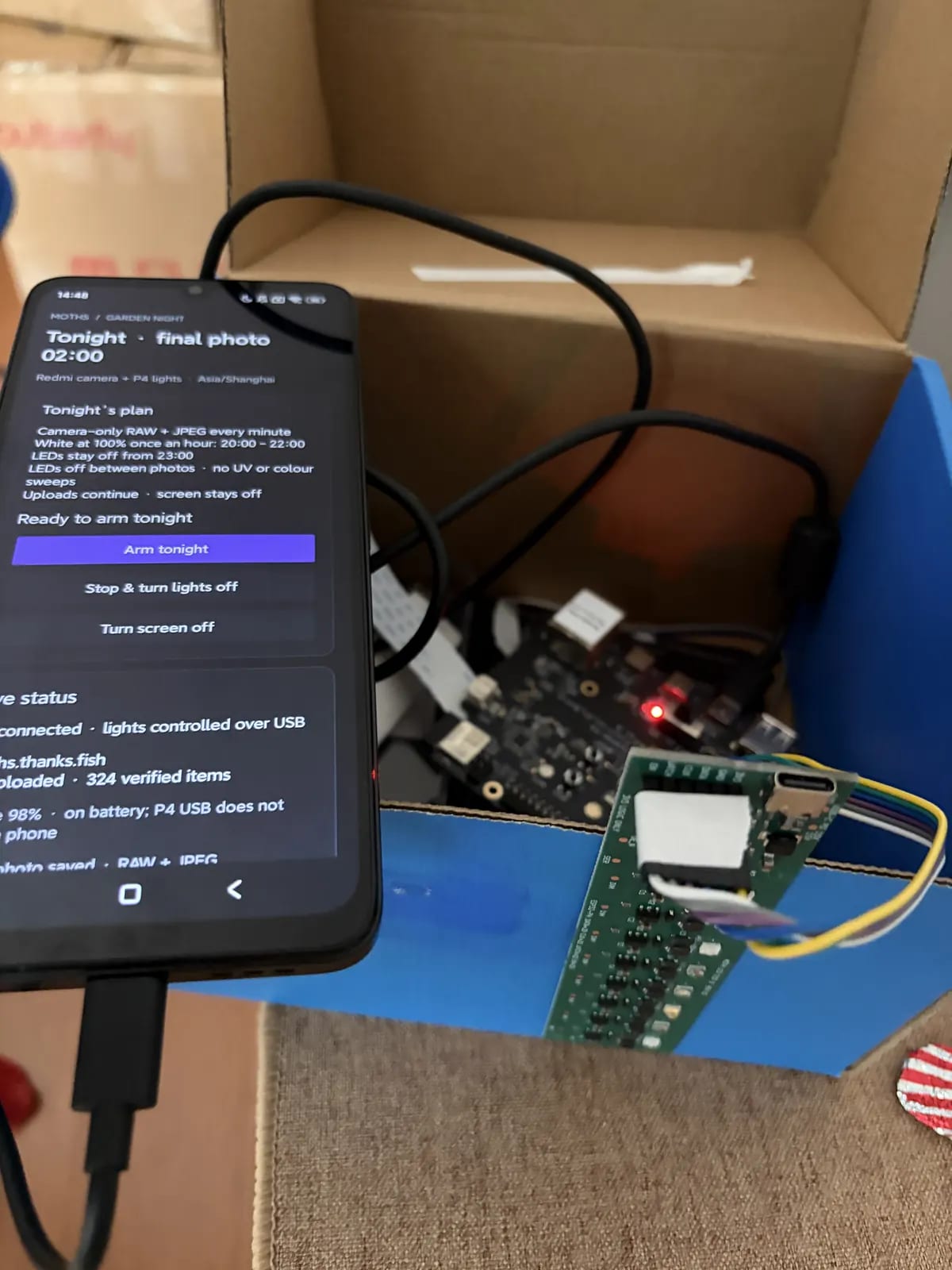
Repurposing old smartphones as embedded controllers offers a cost-effective alternative to Raspberry Pi setups. By leveraging built-in hardware like high-resolution cameras and GPS, hobbyists can significantly reduce project costs.
The Shift Toward Smartphone-Based Prototyping
The traditional landscape of hardware hobbyism has long been dominated by single-board computers like the Raspberry Pi. However, as peripheral costs for these systems—such as high-resolution cameras and GPS modules—continue to climb, makers are increasingly looking toward secondary markets for integrated solutions. The realization that an old smartphone contains a suite of high-end sensors for a fraction of the cost of a custom PCB assembly is sparking a shift in how DIY electronic projects are conceptualized.
The Economic Argument for Repurposing
When designing a project requiring a high-resolution camera, GPS tracking, local storage, and a controller for external peripherals, the bill of materials for a Raspberry Pi setup can quickly become prohibitive. A Redmi 13C 5G or a Huawei Mate 30 5G, available on platforms like Taobao for between $45 and $75, offers an integrated package that includes a 40-50MP camera, battery management, and mobile connectivity. This price point is remarkably competitive compared to sourcing individual components that often require complex integration and custom PCB design.
Technical Integration and Connectivity
One of the primary challenges in utilizing these devices involves bridging the gap between the mobile operating system and external hardware. The methodology described involves rooting the device and establishing communication through the USB-C port to drive external components, such as LED controllers. This approach bypasses the limitations of standard consumer interfaces, turning the smartphone into a sophisticated, albeit unconventional, microcontroller.
Hardware Capabilities vs. Specialized Boards
While developers are experimenting with boards like the ESP32-P4, these often lack the out-of-the-box sensor density found in a flagship or mid-range smartphone. A phone provides a pre-assembled ecosystem: a high-quality lens assembly, a power-efficient processor, and internal storage, all managed by a mature OS. By leveraging the existing hardware, the developer avoids the need to build a bespoke power distribution system or manage complex signal routing for high-speed camera interfaces.
Future Trends in DIY Hardware
As the electronic waste crisis grows, the trend of 'upcycling' smartphones into dedicated controllers is a sustainable and intelligent evolution for the maker community. We can expect to see more projects that rely on rooting older Android devices to serve as the 'brains' of robotics, IoT arrays, and remote sensing stations. This trend not only lowers the barrier to entry for complex projects but also extends the lifecycle of perfectly functional, yet 'obsolete' consumer electronics.
Conclusion
The pivot from dedicated microcontrollers to repurposed smartphones represents a pragmatic approach to modern engineering. By viewing a phone not as a communication tool, but as a dense cluster of sensors and processing power, makers can achieve high-performance results while maintaining a lean budget. This strategy highlights the importance of hardware reuse in a world of rapidly advancing, yet increasingly expensive, specialized components.