Quota within quota, more EWS benefits: YouTuber Ajeet Bharti's key demands at 'Reservation Hatao' protest
Source Entity
Latest News: Todays Latest News Headlines from India & World | Hindustan Times | Hindustan Times
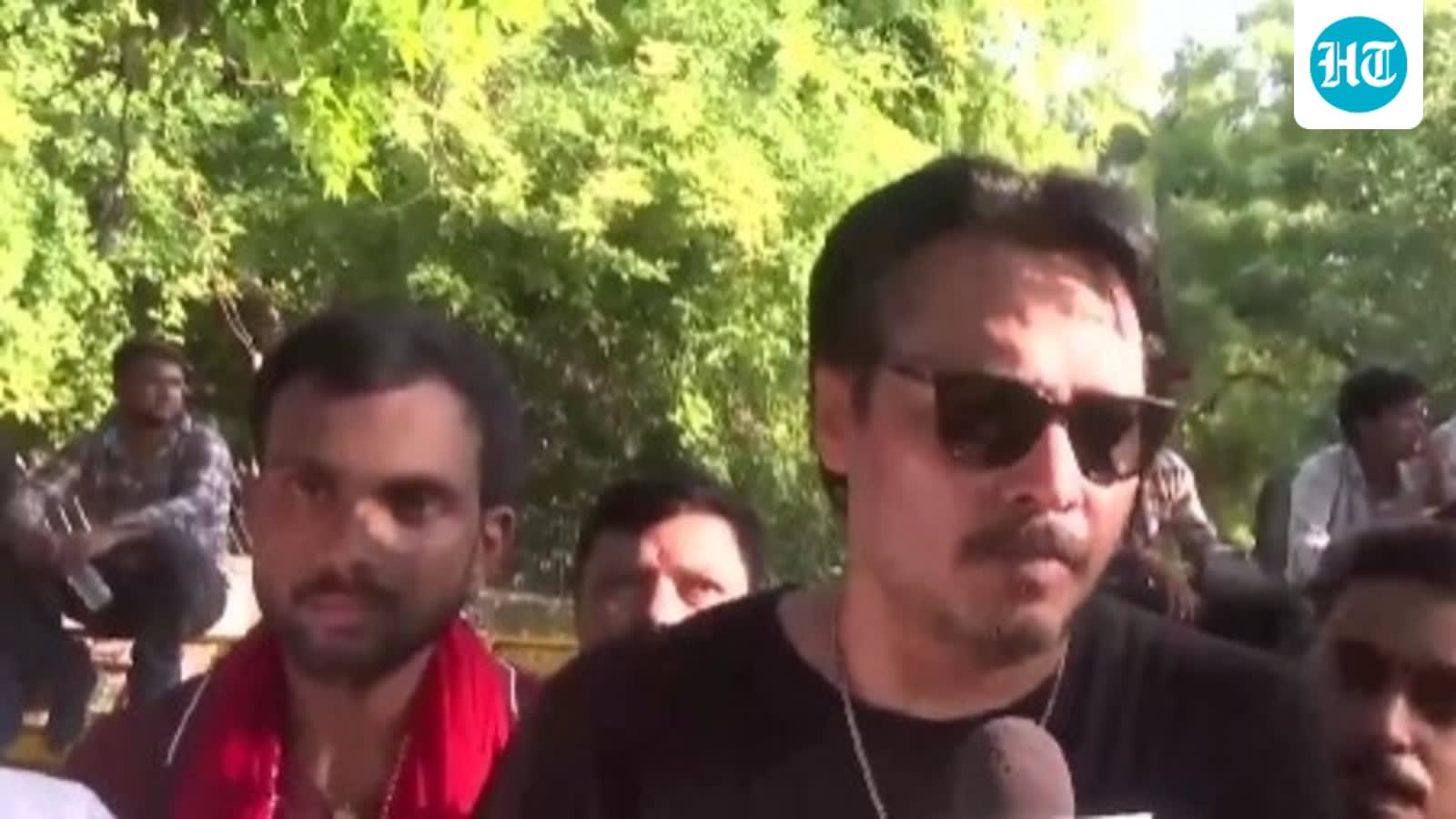
The 'Reservation Hatao Andolan' movement organized anti-quota protests in Delhi, resulting in detentions at Jantar Mantar despite police permission for a smaller gathering at Ramlila Maidan. The movement, fueled by social media mobilization, highlights ongoing tensions regarding India's caste-based reservation system.
The Rise of Digital-Led Protest Movements
The recent demonstrations under the banner of 'Reservation Hatao Andolan' represent a significant intersection between digital mobilization and physical public dissent in India. Utilizing an Instagram-based platform with a massive following of 5.6 million, the movement successfully channeled online sentiment into ground-level action. By adopting tactical mobilization strategies reminiscent of the Cockroach Janta Party (CJP), the organizers demonstrated the power of social media to bypass traditional political structures to rally large crowds around the polarizing issue of caste-based reservations.
Conflict Over Public Space and Permits
A notable aspect of this event is the friction between the organizers and Delhi law enforcement. While the Delhi Police issued a formal No-Objection Certificate (NOC) for a gathering at Ramlila Maidan, strictly limiting attendance to 500 people with a 4 pm deadline, the actual outcome diverged sharply. Protesters circumvented these constraints by congregating at Jantar Mantar—a site for which the police had explicitly denied permission. This discrepancy highlights the challenges authorities face in managing flash-protests that are coordinated via decentralized digital networks.
Escalation and Law Enforcement Response
The situation at Jantar Mantar escalated quickly as the unauthorized gathering swelled, forcing the Delhi Police to deploy security forces and install barricades. Visuals circulating on X depicted a tense environment where police personnel detained numerous protesters carrying banners, posters, and saffron flags. The police maintained a firm stance, issuing warnings against the spread of misinformation regarding the legality of the assembly and taking proactive measures to control the crowd once it became clear that the Jantar Mantar event lacked official sanction.
The Core Debate: Economic vs. Caste-Based Quotas
At the heart of the 'Reservation Hatao' stir is a fundamental demand to overhaul the existing caste-based reservation system in favor of one based on economic criteria. This movement taps into a long-standing national discourse regarding social justice, equity, and meritocracy. The protesters' insistence on shifting the parameters of state support illustrates the deep-seated grievances that continue to animate political debates across the country, particularly among those who feel that current policies do not adequately reflect modern socioeconomic realities.
Broader Implications for Social Policy
The success of the 'Reservation Hatao Andolan' in drawing a massive crowd suggests that the issue of reservation remains a potent catalyst for social unrest. As digital platforms continue to lower the barrier to entry for political activism, traditional governance models may struggle to contain or categorize these movements. The reliance on social media to dictate the time and place of protests, even when contrary to official permissions, indicates a shift in how civil society engages with the state, posing a recurring challenge for law and order maintenance in the national capital.
Future Trends in Activism
Moving forward, the tension between the 'Reservation Hatao' movement and state authorities serves as a microcosm of future challenges in civic engagement. The ability of such groups to mobilize millions online will likely continue to test the limits of public order legislation. As the debate over reservation policies remains unresolved, it is probable that similar movements will continue to utilize high-velocity social media tactics to exert pressure on policy makers, necessitating a more sophisticated approach from authorities to manage public assembly and discourse.
Multiple Citing Sources
Verification Required?