From BJ’s to Lululemon, retailers are trimming assortments to boost business
Source Entity
US Top News and Analysis
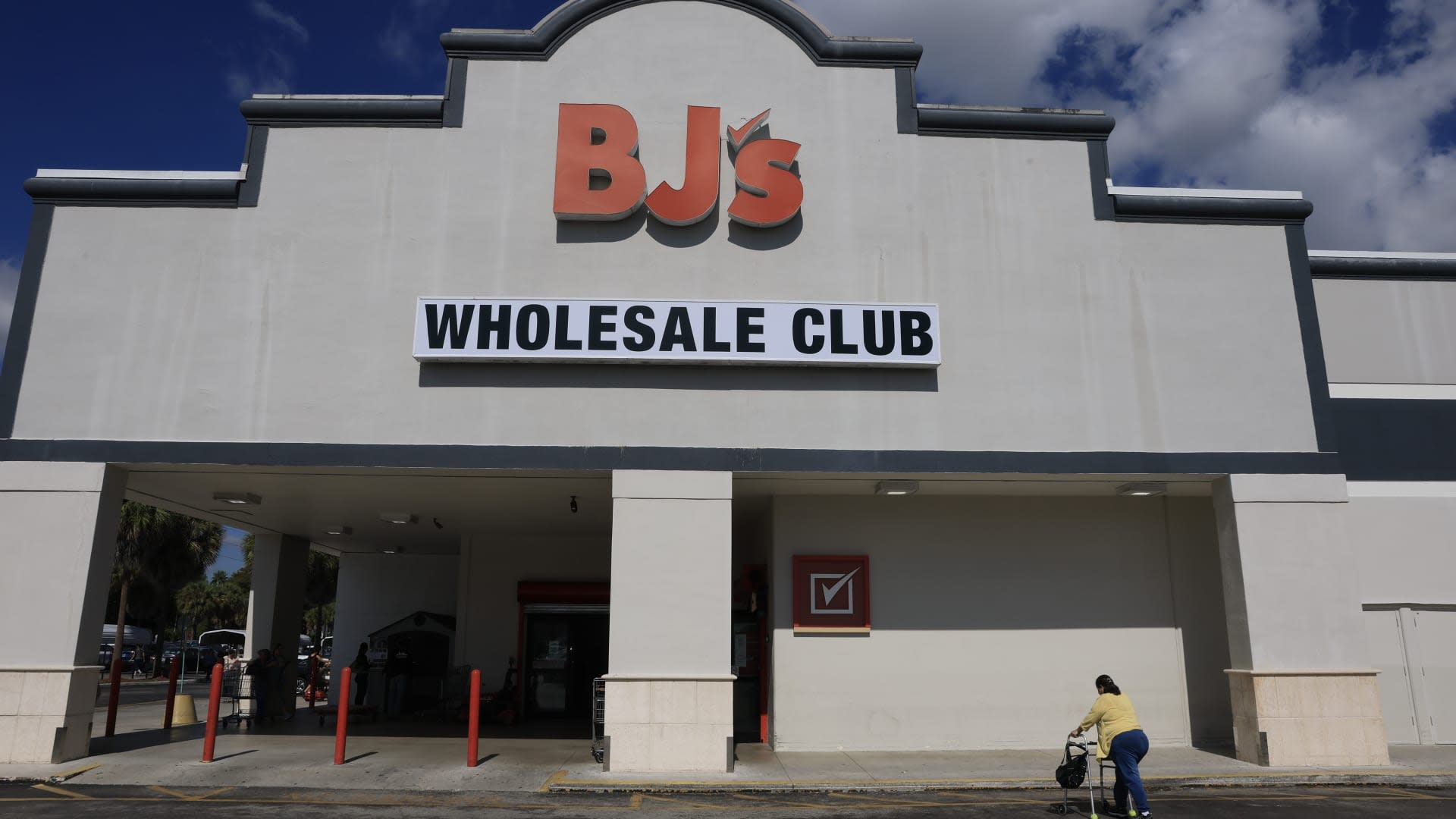
Major retailers like Lululemon, BJ's, and Dollar General are significantly reducing their SKU counts to improve profitability. This strategic shift aims to streamline operations and stabilize financial growth amidst tightening consumer spending.
The Strategic Shift: Why Retailers are Shrinking Assortments
In the current economic climate, a wave of major retail brands, ranging from discount chains to premium apparel markers, are fundamentally altering their inventory strategies. By aggressively trimming their Stock Keeping Units (SKUs), companies such as Dollar General, Under Armour, BJ's Wholesale Club, and Lululemon are attempting to clean up their balance sheets. This movement represents a departure from the 'more is better' mentality that previously dominated retail expansion, signaling a pivot toward operational efficiency and fiscal discipline.
Economic Pressures and Consumer Behavior
The primary catalyst for this trend is the tightening of consumer wallets due to persistent inflation, particularly in essential categories like food and energy. As households grapple with higher costs, discretionary spending has waned, forcing retailers to adapt. When consumers prioritize value and necessity, bloated inventories become a liability rather than an asset. By reducing the variety of products on offer, retailers are not only lowering carrying costs but are also focusing their resources on items that offer higher turnover and better margins.
Quantifying the SKU Reduction
The scale of these reductions is significant, reflecting a broad-based industry reaction. Dollar General reported a reduction of 1,500 SKUs in March, while Under Armour has committed to a 50% cumulative reduction over several years. Similarly, BJ's Wholesale Club and Lululemon have targeted 20% and 15% cuts, respectively. These figures demonstrate that the strategy is not limited to a single retail tier but is a systemic response to the need for leaner, more agile business models in an unpredictable market.
The Impact on Balance Sheets and Profitability
For investors and stakeholders, these moves are largely perceived as a positive signal of management's commitment to profitability. Trimming inventory helps stabilize sales by removing underperforming or redundant products that occupy valuable shelf space and tie up capital. By curating a more refined selection, companies can improve their supply chain efficiency and reduce the frequency of deep-discounting events, which often erode brand value and profit margins.
Future Trends in Retail Curation
Looking ahead, the trend toward 'curated retail' is likely to continue as data analytics provide retailers with deeper insights into consumer preferences. Rather than offering an exhaustive list of choices, firms are moving toward offering a 'best-in-class' selection. This approach allows retailers to maintain strong relationships with their core customer base while insulating themselves from the risks associated with over-inventory. As these companies successfully streamline their operations, they are better positioned to weather future economic volatility and return to sustainable, long-term growth.