Keeping up with UP: Time to revive students’ unions after Gen Z protests?
Source Entity
Latest News: Todays Latest News Headlines from India & World | Hindustan Times | Hindustan Times
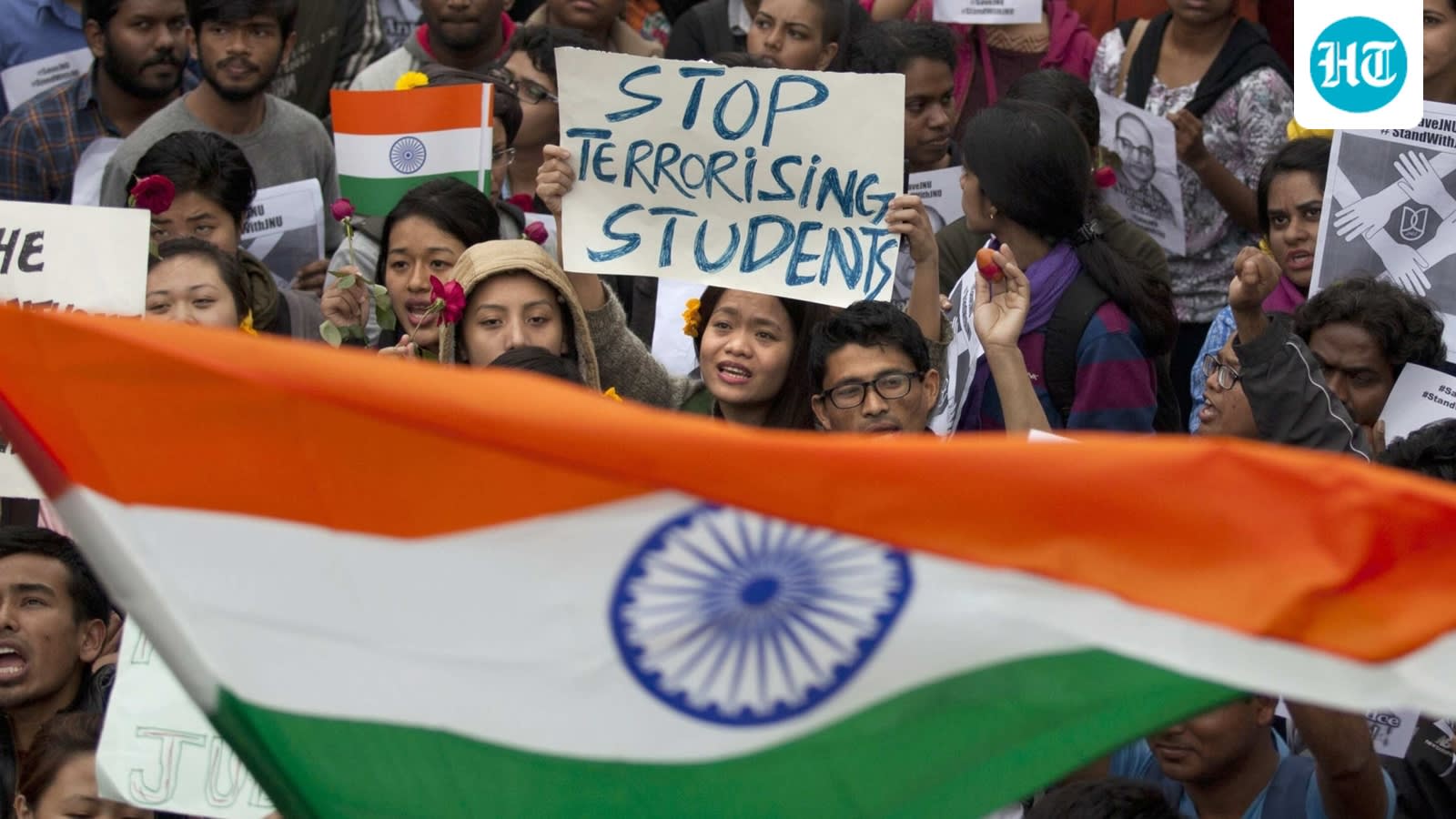
Recent youth protests at Jantar Mantar have reignited the debate over reviving student unions in India, including Uttar Pradesh. Political leaders are now considering these platforms as a vital mechanism for youth engagement and leadership development.
The Resurgence of Student Activism in India
The recent wave of protests by Gen Z demonstrators at Jantar Mantar has sent a clear message to India's political establishment: the youth demand a formal, recognized platform to voice their concerns. This surge in civic engagement has reignited a long-standing debate regarding the necessity of reviving student unions on university campuses across the country, with particular focus on the educational landscape of Uttar Pradesh.
Historical Significance of Student Unions
Historically, student unions have functioned as the bedrock of political awareness and leadership training in India. Before the nation achieved independence, these organizations were instrumental in the freedom struggle, acting as organized hubs where students could debate policy and mobilize for public movements. By providing a structured environment for discourse, these unions historically bridged the gap between academic life and national governance.
The Shift in Political Perception
For decades, the political class has maintained a cautious, often restrictive, stance toward campus politics due to concerns over violence and administrative disruption. However, the recent 'volcanic display of frustration' seen in Delhi and beyond has forced a recalibration of this perspective. Political parties are now recognizing that the absence of formal student representation has left a vacuum, pushing youth grievances directly to the streets rather than through constructive, institutionalized channels.
Addressing the Leadership Gap
Beyond providing a forum for protest, the current deliberation among political leaders centers on the urgent need for a pipeline of young leadership. By reintroducing student unions, political systems could create a controlled, educational environment where future leaders can hone their debating, organizational, and advocacy skills. This transition would shift the youth's role from reactive protesters to active participants in the democratic process.
Implications for Future Policy
As the debate moves from campus corridors to legislative discussions, the primary challenge remains balancing the need for free expression with the maintenance of academic order. If successfully implemented, the revival of student unions could serve as an early-warning system for political parties, allowing them to engage with youth issues before they escalate into widespread civil unrest. The path forward requires a framework that honors the historical legacy of these unions while modernizing them to fit the contemporary needs of Gen Z students.
Verification Required?