Reports: RFK Jr. ordered measles deaths deletion; CDC still secretly counts them
Source Entity
Beth Mole
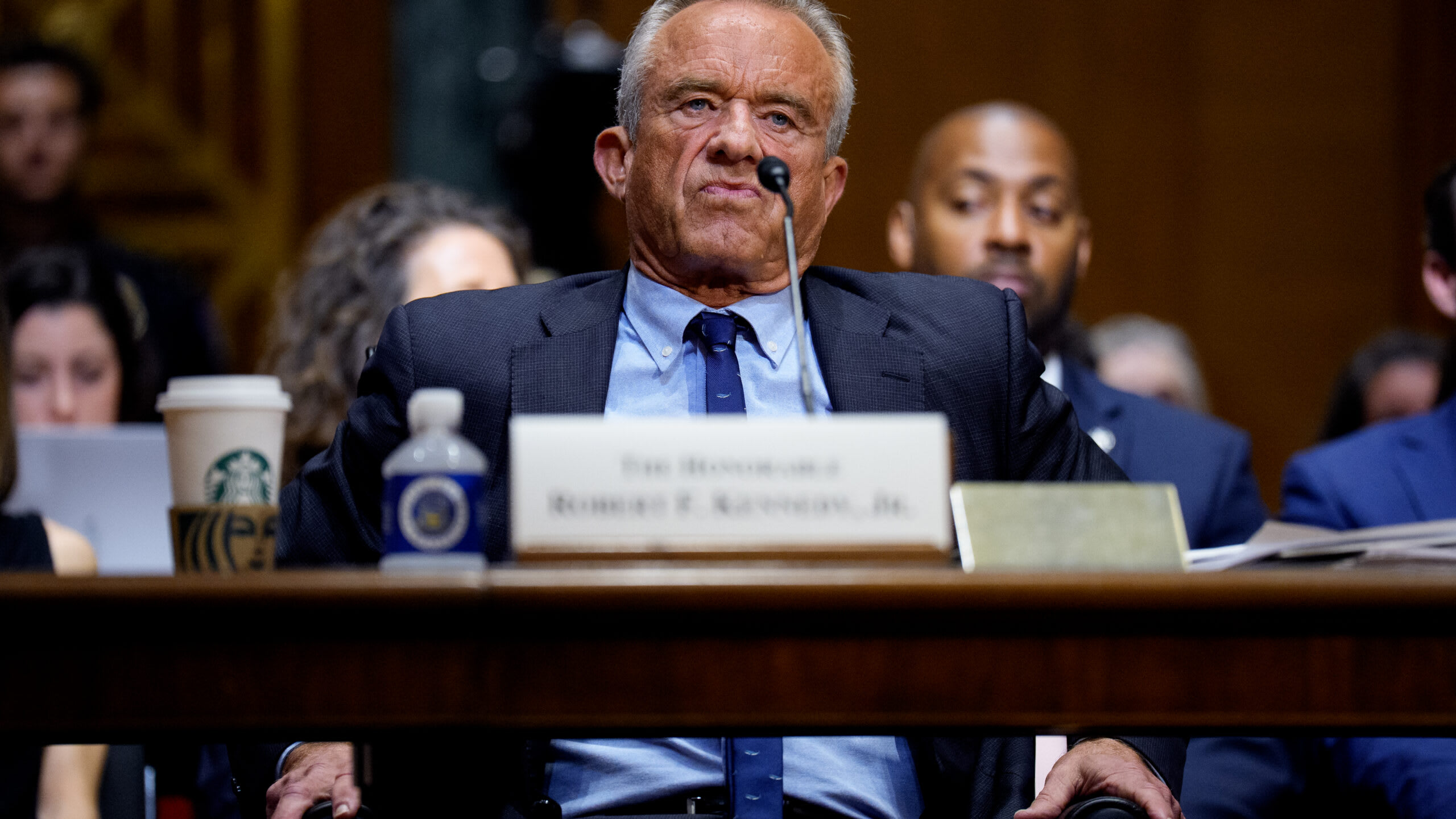
Reports indicate that Health Secretary Robert F. Kennedy Jr. ordered the removal of two measles-related deaths from CDC public data. Despite the deletion, the agency continues to track these fatalities internally, raising concerns about data transparency.
The Controversy Surrounding Measles Data Transparency
Recent reports have unveiled a significant controversy involving the Centers for Disease Control and Prevention (CDC) and the current leadership of the Department of Health and Human Services. According to investigations, Health Secretary Robert F. Kennedy Jr. directly intervened to request the removal of two confirmed measles deaths from the agency’s public-facing data dashboard. This directive was reportedly carried out by CDC Director Erica Schwartz, despite the fact that internal agency staff had already verified and accepted these fatalities as measles-related.
The Mechanism of Data Omission
The incident in question occurred on August 30, when the two deaths were briefly listed on the CDC website before being removed within hours. The decision to purge this information appears to be a direct consequence of political pressure rather than a scientific re-evaluation of the medical evidence. By instructing the CDC to redact verified public health data, the administration has introduced a concerning discrepancy between the information provided to the public and the internal data the agency continues to maintain.
Implications for Public Health Integrity
This development raises critical questions regarding the institutional independence of the CDC. The agency has historically served as the gold standard for epidemiological tracking, relying on rigorous verification processes to inform national health policy. When political appointees override the findings of career scientists and statisticians, it risks undermining the credibility of the entire public health infrastructure. The fact that the CDC continues to count these deaths internally while suppressing them publicly suggests a bifurcated data strategy that prioritizes political narrative over transparency.
Historical Context of Vaccine Oversight
The intersection of political leadership and vaccine-preventable disease reporting has long been a sensitive area of public policy. Measles, once considered eliminated in many regions, remains a highly contagious and potentially fatal virus that requires accurate tracking to manage outbreaks. Historically, the CDC’s role has been to provide an unvarnished view of disease mortality to help clinicians and policymakers allocate resources. The current situation marks a stark departure from these established norms, potentially complicating efforts to monitor the resurgence of vaccine-preventable illnesses.
Future Trends and Institutional Trust
Looking ahead, this event may serve as a catalyst for increased scrutiny regarding how health data is managed and reported under the current administration. If the public perceives that data is being curated to fit specific political agendas, it could lead to a broader erosion of trust in federal health guidelines. As the CDC continues to secretly track these deaths while maintaining a public stance of omission, the gap between internal reality and external communication will likely remain a focal point for researchers, journalists, and public health advocates demanding greater accountability.