‘Who can explain this to him?’: Rijiju tears into Rahul over ‘dead economy’ jibe
Source Entity
SUBHADRA SRIVASTAVA
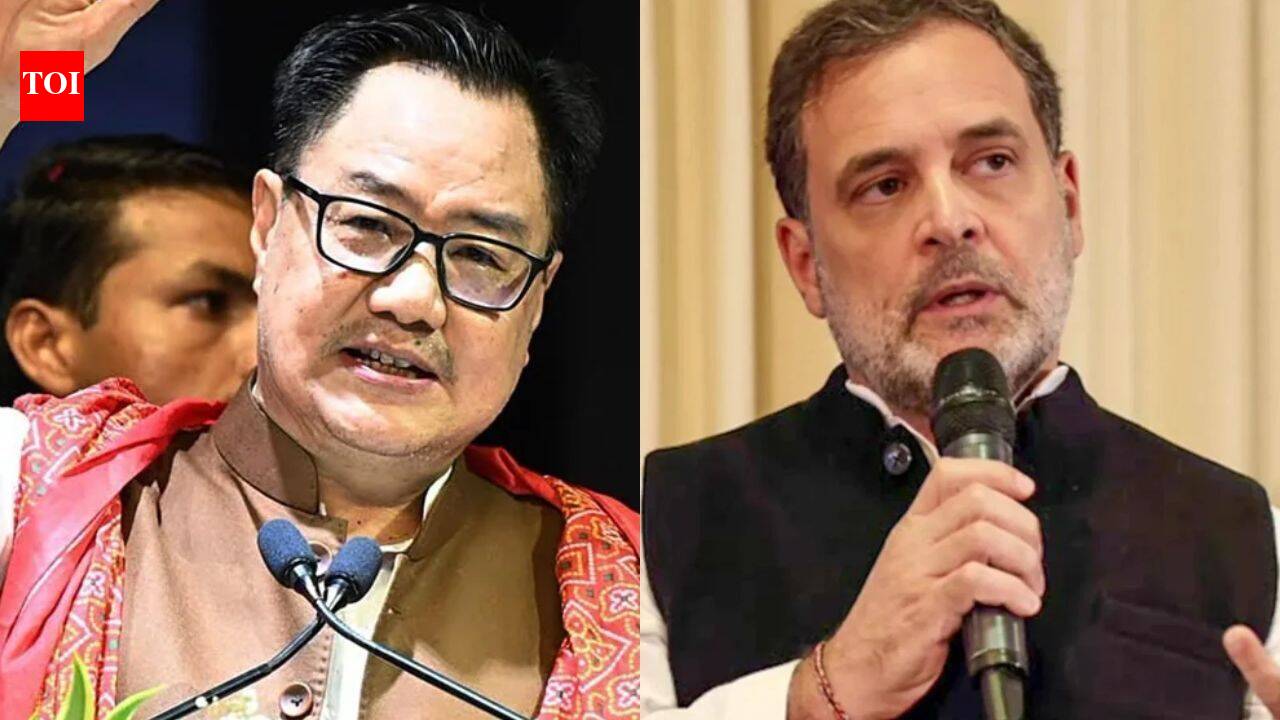
Union Minister Kiren Rijiju has sharply criticized Rahul Gandhi for his recent remarks labeling the Indian economy as 'dead.' This clash highlights the ongoing ideological and economic discourse between the ruling BJP and the opposition.
The Clash of Economic Narratives
The recent exchange between Union Minister Kiren Rijiju and Congress leader Rahul Gandhi marks a significant escalation in the ongoing political discourse regarding the state of the Indian economy. Rahul Gandhi’s characterization of the economy as 'dead' has prompted a sharp rebuttal from Rijiju, who questioned the depth of the opposition's understanding of current fiscal realities. This confrontation is not merely a verbal sparring match but a reflection of two fundamentally different interpretations of India’s macroeconomic trajectory.
The Opposition's Perspective
Rahul Gandhi’s 'dead economy' jibe is rooted in the opposition's narrative that focuses on high unemployment rates, inflation, and the struggles of the informal sector. By using such stark language, the Congress leader aims to highlight the perceived disconnect between government data and the lived experiences of the average citizen. This strategy is designed to create a sense of urgency and dissatisfaction among the electorate, positioning the opposition as the voice of the economically marginalized.
The Government’s Defense
Kiren Rijiju’s response, characterized by the rhetorical question 'Who can explain this to him?', signals the government’s frustration with what they view as a persistent, politically motivated misrepresentation of economic facts. The BJP leadership consistently points to GDP growth figures, foreign direct investment (FDI) inflows, and infrastructure development as evidence that the economy is not only alive but robust. Rijiju’s critique is aimed at delegitimizing the opposition's narrative by framing it as a lack of economic literacy or a deliberate attempt to derail national morale.
Broader Political Implications
This debate serves as a microcosm of the larger political climate in India, where economic performance is a primary battleground for electoral success. As the nation continues to navigate post-pandemic recovery and global supply chain challenges, the term 'economy' has become a proxy for the performance of the ruling administration. The intensity of this specific exchange underscores how both sides are doubling down on their respective economic platforms ahead of future political milestones.
Historical Context of Economic Rhetoric
Historically, the Indian political landscape has often seen similar clashes, where the ruling party emphasizes macro-level achievements while the opposition highlights micro-level distress. This cycle of rhetoric reflects the complexities of governing a diverse and massive economy. Whether the discourse centers on fiscal deficits or job creation, the ability of either side to capture the public imagination with their version of the 'economic truth' remains a critical factor in shaping voter sentiment.
Future Trends and Outlook
Moving forward, it is likely that this divide in economic communication will only deepen. As the government continues to push for structural reforms and long-term capital expenditure, they will face continued scrutiny from the opposition on immediate welfare concerns. The future of this discourse will depend on whether the government can successfully bridge the gap between statistical growth and the tangible prosperity of the grassroots, or if the opposition's narrative of economic stagnation continues to gain traction among the public.