Donald Trump "Frustrated" With JD Vance Over Iran War Remarks Post Midterm Rout: Report
Source Entity
NDTV News Search Records Found 1000
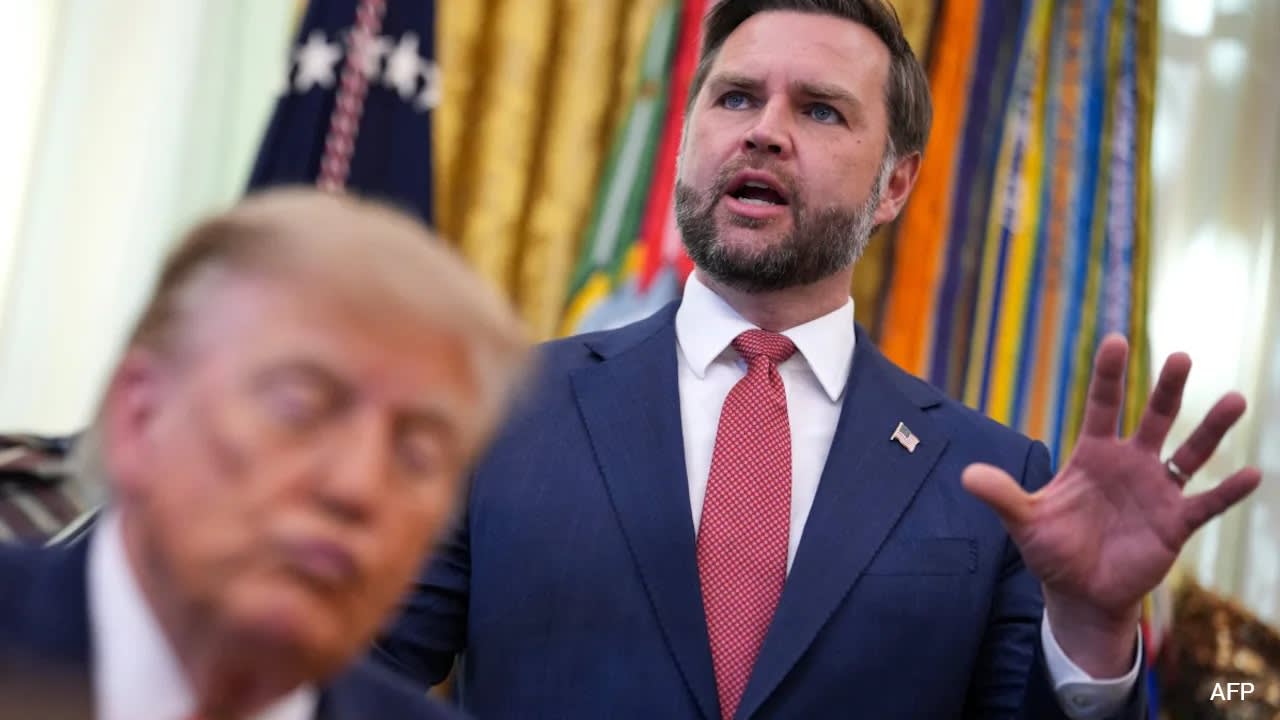
President Donald Trump has publicly criticized a June ceasefire memorandum negotiated by Vice President JD Vance as a 'waste of time.' While the two leaders align on domestic policy, the tension highlights a growing divide regarding foreign intervention and diplomatic strategy.
The Growing Rift: Trump and Vance’s Foreign Policy Divergence
Recent reports indicate a cooling of relations between U.S. President Donald Trump and Vice President JD Vance regarding the administration's foreign policy approach to Iran. Central to this friction is a June memorandum of understanding (MoU) negotiated by Vance, which Trump has publicly dismissed as a “waste of time.” This public rebuke highlights a significant ideological tension within the executive branch, marking a departure from the unified front typically presented by the administration.
The Nature of the Dispute: Diplomacy vs. Formalism
President Trump’s dissatisfaction stems from both the substance and the format of the diplomatic engagement. By characterizing the memorandum as a delay in strategic developments, Trump signaled a preference for formal, binding contracts over the more flexible, non-binding nature of an MoU. While Trump noted that he deferred to his advisers at the time, his public post-hoc criticism underscores his desire for a more assertive, definitive posture toward Tehran, contrasting with Vance’s preference for a more cautious, skeptical approach to military engagement.
Historical Context and Political Consequences
This tension arises in the wake of midterm electoral losses that have placed increased scrutiny on the administration's foreign policy record. The Iran war, a focal point of recent geopolitical discourse, has created tangible political pressure. For the Trump administration, these electoral outcomes have served as a catalyst for re-evaluating the costs and benefits of their foreign commitments, with the Iran file becoming a litmus test for the administration's strategic direction.
Vance as a Distinct Political Entity
While JD Vance has successfully transitioned from a vocal critic of Donald Trump to his deputy, he is increasingly viewed as an independent political actor rather than a mere echo of the President. The two share core tenets of economic nationalism and strict immigration reform, yet their divergence on foreign intervention is stark. Vance’s documented skepticism toward American military commitments abroad suggests a “Realist” approach that occasionally clashes with Trump’s more transactional and aggressive foreign policy instincts.
Broader Implications for the Republican Agenda
This disagreement serves as a broader bellwether for the future of the Republican party’s foreign policy platform. As the administration navigates the remainder of its term, the tension between Trump’s desire for decisive, formal agreements and Vance’s cautionary skepticism regarding military entanglements will likely influence future diplomatic initiatives. The public nature of this disagreement suggests that the internal debate over the extent of American involvement in the Middle East is far from settled.
Conclusion: The Limits of Executive Alignment
Ultimately, the friction surrounding the Iran memorandum illustrates the inherent complexities of the Trump-Vance partnership. While the administration remains committed to its core nationalist agenda, the path forward regarding international conflicts remains a point of contention. Whether this friction leads to a shift in policy or remains a manageable internal disagreement, it highlights the evolving and often unpredictable nature of the current administration’s decision-making process.
Verification Required?