Ring, known for its doorbell cameras, launches a home security drone and an enterprise security robot
Source Entity
Lucas Ropek
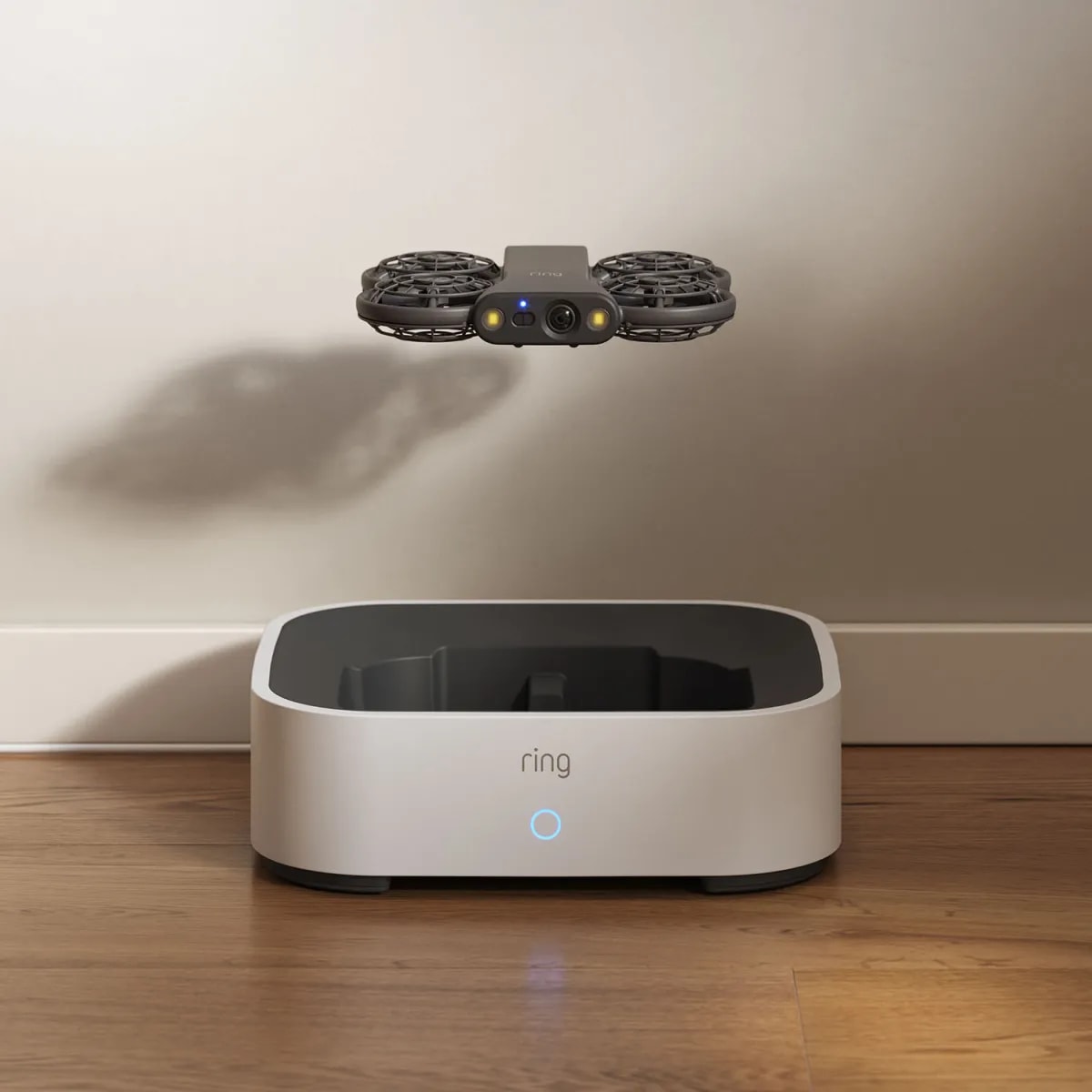
Amazon-owned Ring is expanding into robotics with the launch of the Ring Drone Cam and the Ring Rover Cam. These devices aim to shift home and business security from static monitoring to proactive, mobile patrols.
The Evolution of Ring: From Doorbell Cameras to Autonomous Robotics
Amazon-owned Ring has officially pivoted from its roots in static doorbell surveillance to the burgeoning field of autonomous robotics. By launching the 'Ring Robotics' division, the company is signaling a strategic shift toward proactive security, moving beyond simple motion-activated recording to mobile, investigative surveillance. This transition represents a significant evolution in the smart home ecosystem, aiming to provide users with a dynamic way to monitor their properties.
The Ring Drone Cam: Aerial Surveillance at Home
The most anticipated device in this rollout is the Ring Drone Cam, described as a 'flying indoor security camera.' Initially announced years ago as the Ring Always Home Cam, the device is now scheduled to ship on January 27, 2027, at a price point of $249.99. Designed to fly autonomously from room to room, the drone allows homeowners to inspect their living spaces remotely, offering a bird's-eye view that static cameras cannot provide. This capability addresses the limitation of fixed-angle devices, which often leave blind spots in larger homes.
The Ring Rover Cam: Enterprise-Grade Mobility
Complementing the aerial drone is the Ring Rover Cam, a rolling security robot specifically engineered for enterprise environments. Borrowing heavily from the design language and functionality of Amazon’s Astro robot, the Rover Cam is built to navigate large facilities. By automating patrols, businesses can potentially reduce the need for constant manual monitoring or expensive fixed-camera arrays, providing a more versatile, mobile security solution that can investigate concerns in real-time.
Proactive vs. Reactive Security
The core philosophy behind these new products is the transition from reactive to proactive security. Traditional systems rely on the user to check a feed after an alert is triggered. Ring’s robotics initiative intends to put autonomous agents on the ground and in the air to verify potential threats before they escalate. This shift acknowledges the consumer demand for more comprehensive protection and the integration of AI-powered navigation into daily life.
Challenges and Industry Implications
Despite the innovation, the release has not been without controversy. The long delay between the initial announcement of the Always Home Cam and its current shipping date highlights the immense technical challenges of deploying indoor autonomous flight. Furthermore, the integration of robots into private and commercial spaces raises ongoing questions about privacy, data security, and the public's comfort level with machines that have the autonomy to patrol their surroundings.
Future Trends in Smart Security
As Ring Robotics moves forward, the success of these products will likely dictate the future of smart home security. If the Drone Cam and Rover Cam prove reliable, we may see a wider adoption of mobile robotics across residential and commercial sectors. However, the company must balance its ambitious technological goals with the necessity of maintaining consumer trust, particularly concerning how these devices handle sensitive visual data within private domiciles and workspaces.