Indian-American politicians: Past and present
Source Entity
Latest News: Todays Latest News Headlines from India & World | Hindustan Times
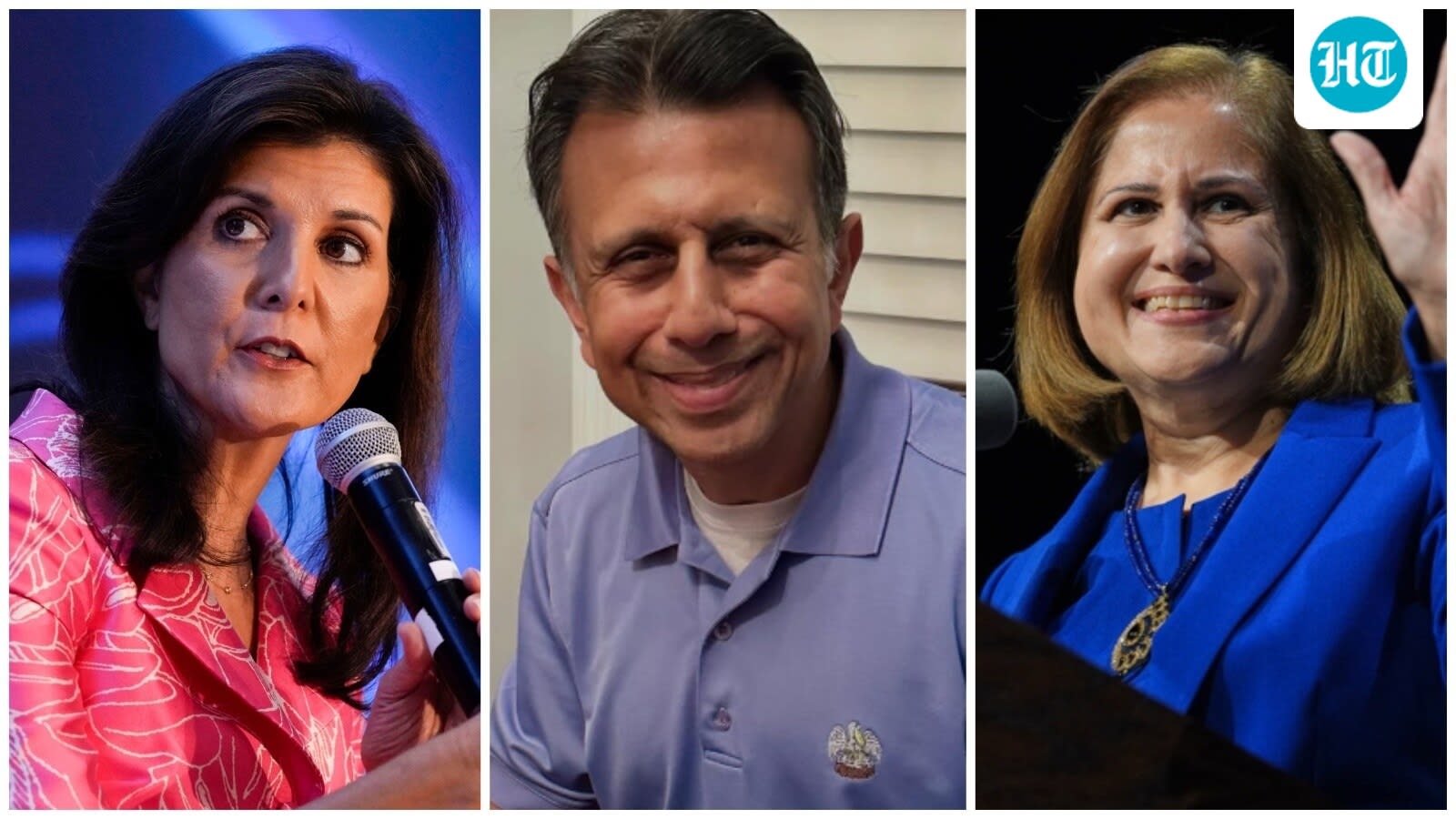
The political influence of Indian-Americans has grown significantly, with figures like Nikki Haley and Kamala Harris reaching national prominence. These leaders represent a diverse ideological spectrum within the American political landscape.
The Ascent of Indian-American Political Influence
In the contemporary American political landscape, the emergence of Indian-origin leaders represents a significant shift in the nation's demographic and civic representation. Figures such as Nikki Haley, Bobby Jindal, Raja Krishnamoorthi, and Kamala Harris have transcended traditional barriers to hold influential positions at both state and national levels. This trend reflects the broader integration of the Indian diaspora into the fabric of American governance, moving from professional sectors into the highest echelons of public service.
The Trailblazing Path of Nikki Haley
Nikki Haley, born in South Carolina to a Punjabi family from Amritsar, serves as a primary example of this political evolution. Her 14-year career in electoral politics began in 2004 when she was elected to South Carolina’s House of Representatives, marking a milestone as the first Indian-American to hold political office in the state. Her successful 2010 gubernatorial bid further cemented her status as a formidable Republican leader, demonstrating the ability of diaspora members to build broad-based support in traditionally conservative regions.
Diverse Ideologies and Geographic Reach
The political identity of Indian-American leaders is not monolithic; rather, it spans a wide ideological spectrum. While figures like Nikki Haley and Bobby Jindal have carved paths within the Republican Party, others like Raja Krishnamoorthi and Zohran Mamdani represent the Democratic contingent, showcasing the community's engagement across the partisan divide. Furthermore, the presence of leaders like Ghazala Hashmi illustrates that this influence is not limited to a single geographic region, but is expanding across various state legislatures nationwide.
Historical Context and Institutional Integration
Historically, the rise of these leaders is the result of decades of community building and educational attainment among the Indian-American population. By leveraging their professional backgrounds and community networks, these individuals have effectively navigated the complexities of American electoral systems. The transition from local representation to national prominence is a testament to the community's increasing comfort with and mastery of the American democratic process.
Future Trends and Civic Participation
Looking ahead, the success of these prominent politicians is likely to inspire further civic participation among younger generations of Indian-Americans. As the demographic footprint of the diaspora continues to grow, it is probable that we will see more candidates seeking office at the municipal, state, and federal levels. This trajectory suggests that Indian-American political engagement is not merely a temporary phenomenon, but a permanent and evolving feature of the United States' political future.
Conclusion: A Legacy of Representation
The collective contributions of these leaders have fundamentally altered the perception of who can lead in the United States. By bridging their cultural heritage with American political values, these individuals have opened doors for future generations, ensuring that the Indian-American voice remains a vital component of the national dialogue. Their continued presence in the public sphere signifies a robust and maturing democracy that reflects the increasingly diverse nature of its citizenry.
Verification Required?