Launch HN: Rise Reforming (YC S26) – Turning Waste Gases into Valuable Chemicals
Source Entity
Hacker News
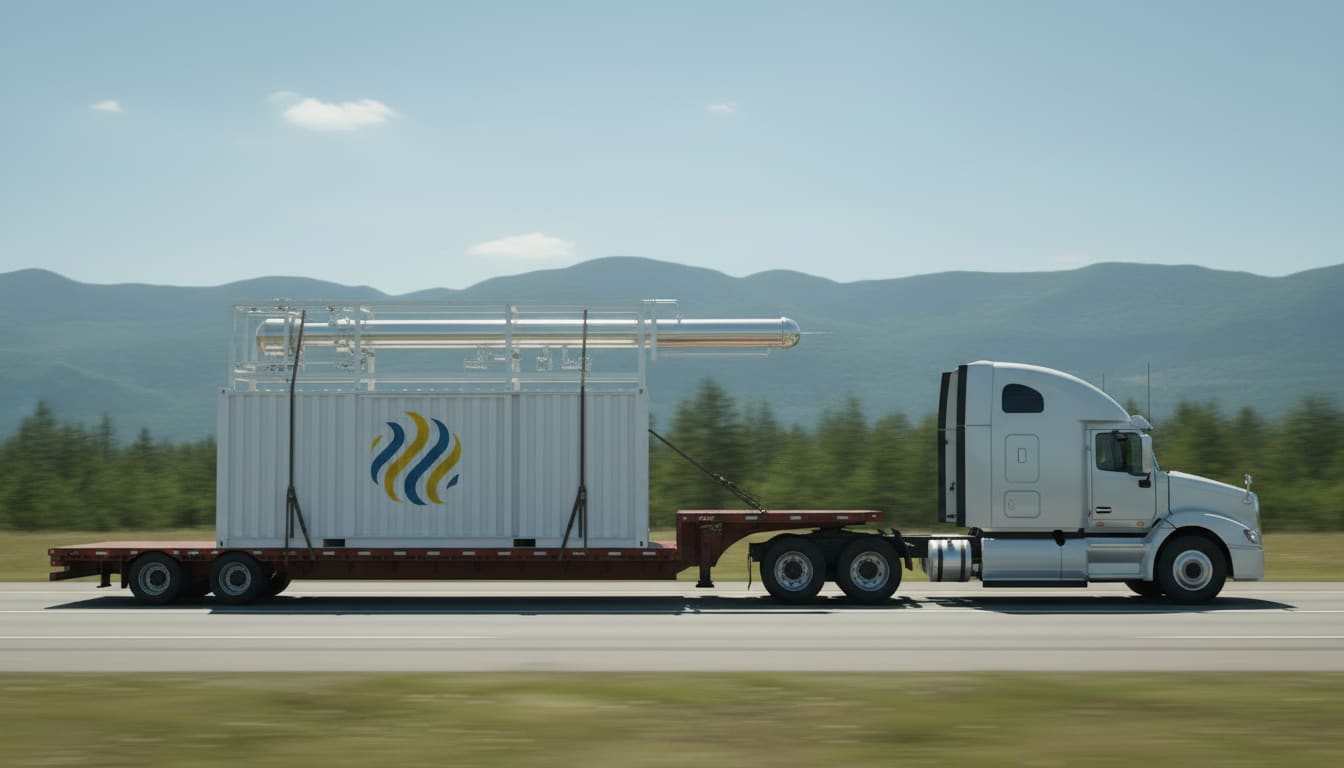
Rise Reforming is a YC S26 startup aiming to decentralize chemical production by converting wasted biogas into valuable chemicals. This technology addresses both environmental waste and supply chain vulnerabilities in the fossil-fuel dependent chemical industry.
Rethinking Chemical Supply Chains
The chemical industry has long functioned under a model of rigid centralization, heavily reliant on fossil fuel feedstocks. This structure creates significant systemic risk, as supply chains are frequently disrupted by geopolitical instability and natural disasters. The emergence of Rise Reforming (YC S26) signals a shift toward decentralized production, aiming to mitigate these vulnerabilities by transforming the way basic chemicals are sourced and manufactured.
The Untapped Potential of Biogas
At the core of Rise Reforming’s mission is the utilization of biogas as a domestic feedstock. Currently, the United States possesses the infrastructure capacity to produce enough biogas to generate over $20 billion in chemical value annually. Despite this massive potential, the industry faces a critical inefficiency: approximately 60% of this biogas is either wasted or flared, often relegated to low-margin applications that do not capture the true economic or environmental value of the methane content.
Decoupling from Fossil Fuels
Historically, chemical manufacturing has been tethered to the price volatility and carbon intensity of traditional petroleum-based inputs. By pivoting toward biogas—a renewable, locally available resource—Rise Reforming seeks to decouple essential chemical production from these volatile global markets. This approach not only provides a hedge against geopolitical price shocks but also offers a pathway to lower the carbon footprint of the broader manufacturing sector.
Operational and Economic Implications
Moving chemical production closer to the source of the feedstock represents a fundamental change in logistics. By converting waste gases directly into valuable chemicals, manufacturers can reduce the energy-intensive transport of raw materials. This localized model of production effectively turns an environmental liability—flared waste gas—into a high-value commodity, potentially revolutionizing the economics of the specialty chemical market.
Future Outlook and Industry Trends
The push toward circular economy practices is gaining momentum as regulatory pressures on carbon emissions increase. Technologies that prioritize the reclamation of waste streams are likely to become standard as industries seek to meet sustainability targets. As Rise Reforming moves through the YC S26 cohort, their success will be a bellwether for whether decentralized, waste-to-chemical processes can scale effectively to compete with entrenched fossil fuel incumbents.
Conclusion
Rise Reforming’s initiative addresses a dual challenge: the inefficiency of current waste gas management and the inherent risks of a centralized chemical supply chain. By leveraging domestic biogas, the company is positioning itself to capture significant market share while simultaneously promoting a more resilient and sustainable industrial framework.