Rivian spinoff Also wants to reinvent the wheel — but first, it has to ship
Source Entity
Andrew J. Hawkins
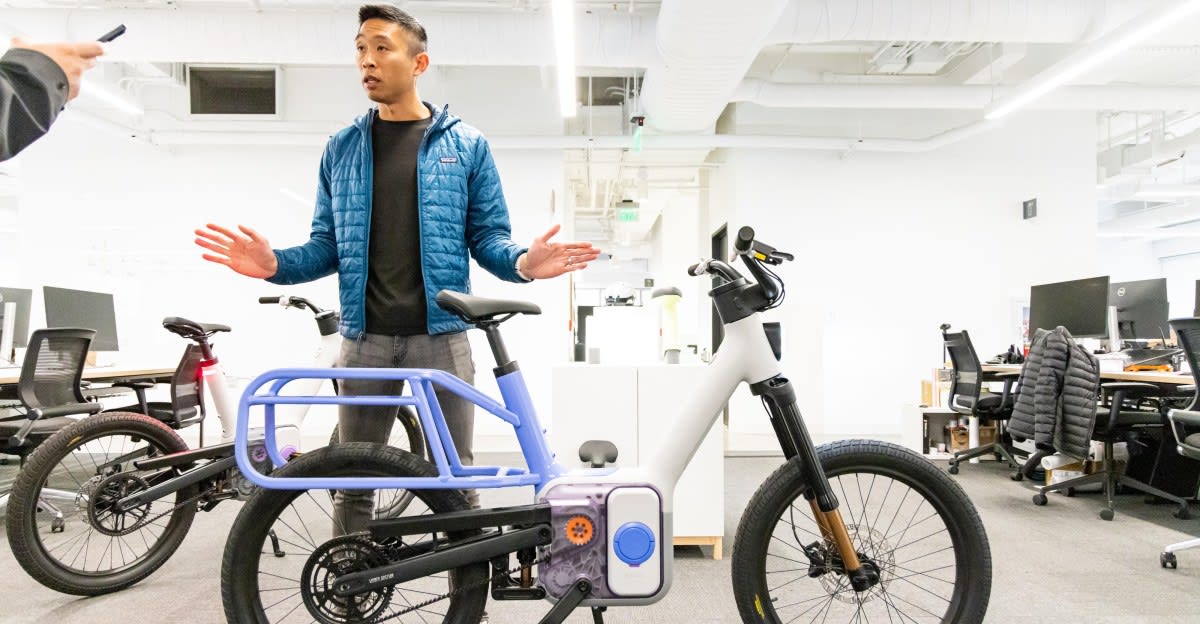
Rivian-backed micromobility startup Also is pivoting its strategy away from African market pilots to focus on its modular e-bike and autonomous vehicle technology. Despite early interest in Kenyan electric two-wheeler projects, the company is prioritizing core product development.
The Strategic Pivot: Also’s Evolution Beyond Rivian
When Rivian, the celebrated luxury electric vehicle manufacturer, quietly spun off its micromobility brand, Also, in 2025, it sent ripples through the EV industry. While critics questioned whether the move represented an overextension of Rivian’s resources, the startup—led by Stanford aeronautics PhD and former Specialized CTO Chris Yu—has positioned itself as an independent entity. With Rivian remaining a minority shareholder, Also is attempting to carve out a unique space in the crowded electric mobility market by prioritizing technological innovation over massive scaling.
The TM-B and the Focus on Modularity
At the heart of Also’s current consumer strategy is the TM-B, a modular e-bike that reflects Yu's background in high-performance engineering. By integrating features like a swappable top frame, a USB-C chargeable battery, and a built-in display, Also is clearly targeting the premium, tech-forward segment of the micromobility market. This modular approach is intended to solve the durability and repairability issues that have historically plagued early-stage e-bike startups, attempting to build a product that evolves with the user rather than becoming obsolete.
Abandoning the Kenyan Pilot: A Lesson in Resource Allocation
Recent reports indicate that Also has walked away from a significant electric two-wheeler pilot project in Kenya. This initiative, which had received grant funding from the Shell Foundation, was intended to de-risk OEM entry into the African EV market by testing locally integrated platforms. The project aimed to explore modular battery designs in challenging environments, but the startup ultimately decided to cease operations there. This decision highlights a broader trend among mobility startups: the necessity of narrowing focus to core competencies—in this case, autonomous vehicles and consumer e-bikes—rather than diluting resources across experimental international markets.
The Intersection of Micromobility and Autonomy
Perhaps the most intriguing aspect of Chris Yu’s leadership is the stated pivot toward autonomous vehicle (AV) ambitions. By combining the agility of a micromobility startup with the research depth of an aeronautics expert, Also is moving into a space that bridges the gap between personal light electric vehicles and automated transit systems. This shift suggests that the company is not merely interested in selling bikes, but in developing the underlying software and hardware architecture that could eventually power autonomous urban transport.
Future Trends and Market Implications
As the EV market matures, companies like Also face the "ship or fold" dilemma. The transition from a promising concept to a revenue-generating commercial business is the ultimate hurdle for any hardware-heavy startup. By stepping back from the Kenyan project, Also is acknowledging the harsh economic reality that global expansion requires immense capital and local operational presence that may not align with its current growth stage. Moving forward, the industry will be watching to see if the TM-B can gain enough traction to sustain the company's autonomous R&D ambitions.
Conclusion
Also’s journey from a Rivian spinout to an independent player is a case study in strategic discipline. By refining its focus to the TM-B’s modular architecture and long-term autonomous development, the firm is betting that technical superiority will outweigh the benefits of early, high-risk geographic expansion. Whether this pivot will allow them to achieve long-term viability in a volatile mobility market remains to be seen, but their willingness to exit non-core projects shows a pragmatic approach to business management.