New 'smart cancer drug' designed to 'switch on' may replace chemotherapy, says govt
Source Entity
Latest News: Todays Latest News Headlines from India & World | Hindustan Times | Hindustan Times
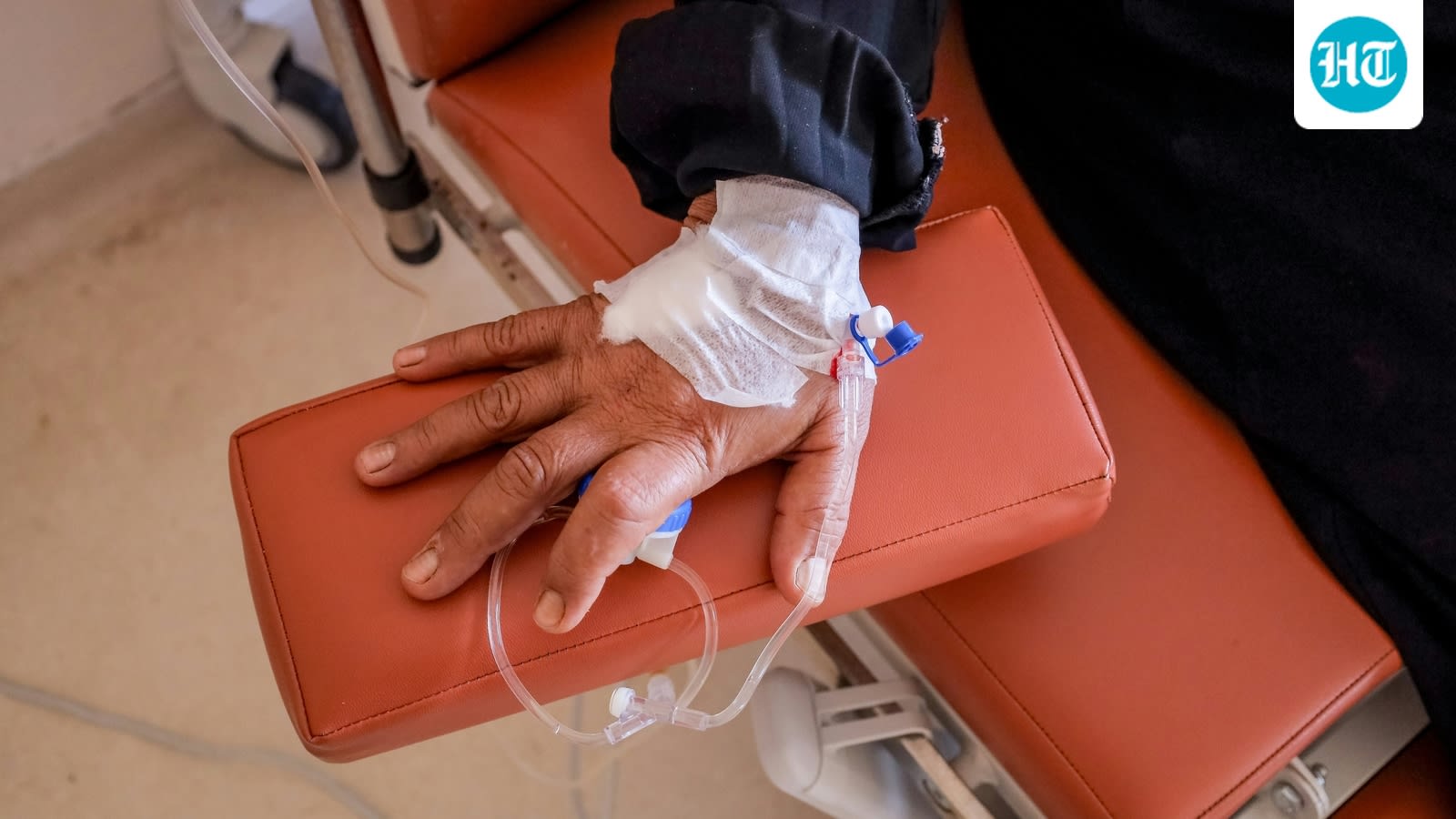
Researchers in India have developed RK-251, a novel 'smart' cancer drug designed to activate only within cancer cells. By leveraging high reactive oxygen species levels, this treatment aims to minimize damage to healthy tissue, potentially offering a safer alternative to traditional chemotherapy.
The Emergence of RK-251: A Paradigm Shift in Oncology
Recent announcements from the Indian Ministry of Science & Technology have unveiled a promising development in pharmaceutical research: an experimental drug known as RK-251. This "smart" medication is engineered to remain inert while circulating through the patient's bloodstream, activating only upon reaching the specific microenvironment of a malignant cell. This development marks a concerted effort to move away from the "sledgehammer" approach of systemic treatments that have defined oncology for decades.
The Mechanism: Exploiting Cancer Cell Biology
The fundamental innovation behind RK-251 lies in its targeted activation strategy. Cancer cells are biologically distinct from healthy cells, often characterized by elevated levels of reactive oxygen species (ROS). These molecules, while necessary in small amounts for cellular signaling, are present in excess within tumors. RK-251 is designed to exploit this metabolic imbalance, essentially using the cancer cell's own internal environment as a trigger to release its therapeutic payload, thereby ensuring that healthy tissues remain largely unaffected.
Addressing the Limitations of Traditional Chemotherapy
Traditional chemotherapy has long been the standard of care, yet it is notoriously indiscriminate. Because chemotherapy drugs generally target rapidly dividing cells, they frequently damage healthy tissues—such as those in the bone marrow, digestive tract, and hair follicles—leading to the debilitating side effects that many patients experience. By shifting the focus toward selective activation, RK-251 aims to mitigate these systemic toxicities, potentially improving both the efficacy of the treatment and the quality of life for patients undergoing therapy.
Implications for Indian Medical Research
This breakthrough underscores a significant maturation of India’s domestic biomedical research infrastructure. The government's active involvement in highlighting this discovery suggests a strategic push to position India as a global hub for innovative cancer therapeutics. If successful in further clinical trials, the development of an indigenous "smart" drug could drastically reduce the cost of specialized cancer care, making advanced, targeted treatments more accessible to a broader demographic.
Future Outlook and Challenges
While the initial reports regarding RK-251 are highly encouraging, the transition from experimental success to clinical reality is complex. Future research must rigorously validate the drug's safety profile, pharmacokinetics, and long-term efficacy in human trials. Furthermore, the ability to consistently achieve selective activation across diverse types of cancers will be the ultimate test of this technology. If these hurdles are cleared, RK-251 could herald a new era of precision medicine, where therapy is defined not by the destruction of the body, but by the precise elimination of disease.
Verification Required?