Referee dies at 38, weeks after FIFA World Cup removal
Source Entity
TOI SPORTS DESK
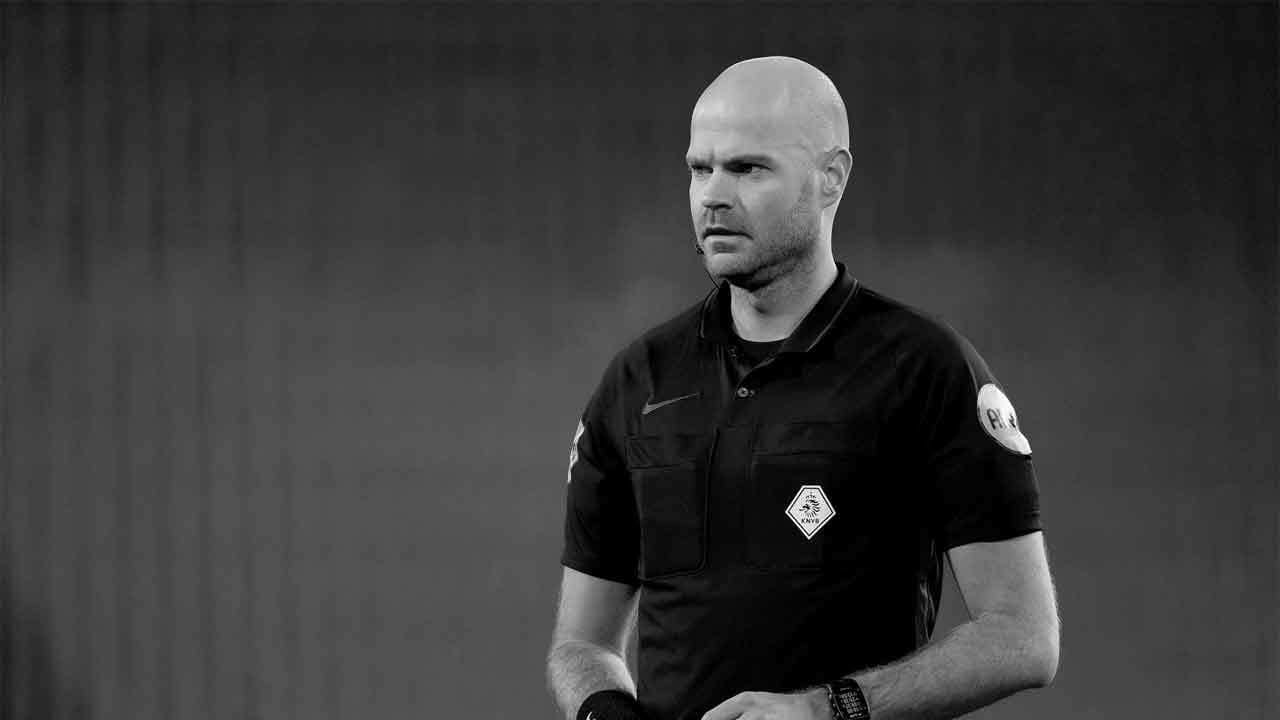
Dutch football referee Rob Dieperink has died at the young age of thirty-eight. He was recently removed from the FIFA World Cup 2026 officials list. Dieperink was arrested in Britain following an investigation which was later closed. The Netherlands football association and FIFA have expressed their deep sadness. Dieperink had a notable career, officiating many professional matches internationally.
Tragedy in Football: The Passing of Rob Dieperink
The football community is mourning the untimely death of Rob Dieperink, a distinguished Dutch referee who passed away at the age of 38. His death comes at a particularly tumultuous time in his professional life, occurring only weeks after his removal from the prestigious FIFA World Cup 2026 officials list. The loss of a professional at such a young age, combined with the recent professional setbacks he faced, adds a layer of profound tragedy to an already shocking event.
A Distinguished Career Cut Short
Rob Dieperink was widely recognized as a high-caliber official, having officiated numerous professional matches on both a national and international scale. To be placed on the FIFA World Cup officials list is one of the highest honors a referee can achieve, signifying that they are among the elite few capable of managing the world's most pressured sporting environment. His career trajectory indicated a deep commitment to the sport and a level of technical proficiency that earned him the respect of the Netherlands football association (KNVB) and FIFA.
The Controversy and Professional Fallout
Recent months had been challenging for Dieperink, marked by a legal ordeal in Britain. The reports indicate that he was arrested following an investigation; however, it is critical to note that the investigation was subsequently closed. Despite the closure of the legal matter, the fallout was immediate within the sporting hierarchy. FIFA's decision to remove him from the 2026 World Cup list underscores the stringent ethical and reputational standards maintained by the global governing body. In the world of elite officiating, any legal scrutiny—regardless of the final verdict—can lead to swift administrative action to protect the perceived integrity of the game.
Institutional Responses and the Human Element
Both the KNVB and FIFA have expressed their deep sadness over Dieperink's passing. These statements reflect a duality in the relationship between governing bodies and their officials: while the organizations must maintain rigid disciplinary structures, there remains a human connection to the individuals who dedicate their lives to the sport. The public expression of grief highlights the shock felt by his peers and the recognition of his contributions to the game before his sudden death.
The Pressures of Elite Officiating
This event brings to light the immense psychological pressure placed on modern football officials. Referees operate under a microscope, facing intense scrutiny from fans, players, and media. When professional crises—such as the loss of a World Cup appointment—intersect with personal or legal struggles, the mental toll can be overwhelming. Dieperink's situation serves as a somber reminder of the need for robust support systems for officials who navigate the high-stakes environment of international sports.
Summary and Legacy
Rob Dieperink's legacy is that of a talented official who reached the upper echelons of football refereeing. While his final weeks were clouded by professional disappointment and legal uncertainty, his body of work in international matches remains a testament to his skill. His passing at 38 is a stark loss for Dutch football, leaving the community to reflect on the fragility of life and the heavy burdens borne by those who enforce the laws of the beautiful game.