Robot vessels take on the dangerous work of mine hunting
Source Entity
BBC News
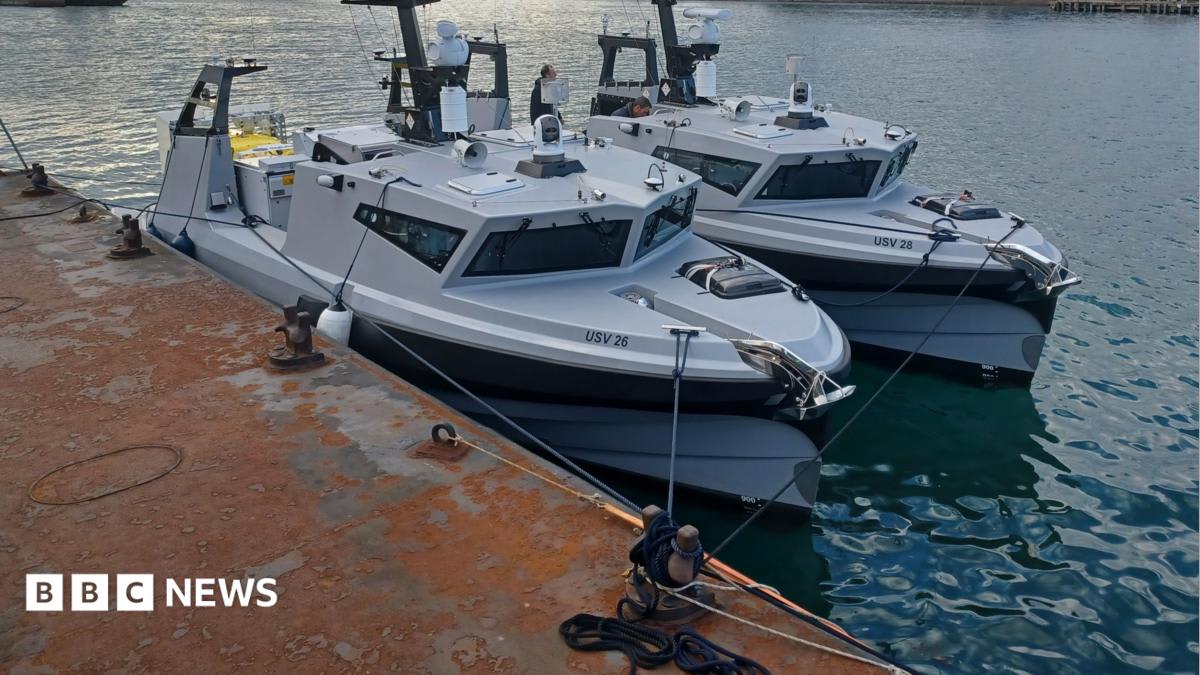
The US Navy is deploying autonomous mine-hunting vessels to mitigate risks in the Strait of Hormuz. These robotic systems provide critical safety surveillance, protecting commercial shipping from subsurface threats like acoustic and magnetic mines.
The Technological Shift in Maritime Security
Maritime navigation through the Strait of Hormuz has long been regarded as one of the most perilous endeavors in global shipping. As a critical chokepoint for international energy markets, the area is fraught with geopolitical instability, leading to frequent threats against commercial vessels. Recent reports indicate that despite active US Navy patrols, the risk of attack remains high, necessitating a fundamental shift in how naval forces approach maritime defense and mine detection.
The Mechanics of Modern Underwater Threats
The danger in the Strait is dual-layered, consisting of overt aerial threats—such as missiles and drones—and the hidden, lethal hazard of naval mines. Modern mines are sophisticated devices, often resting on the seabed, designed to remain dormant until triggered by specific acoustic or magnetic signatures. Once activated, these mines generate a massive pressure wave capable of shattering the keel of even the largest merchant vessels, leading to catastrophic structural failure and total loss of cargo and life.
Autonomous Systems as a Force Multiplier
In response to these persistent threats, the US Navy has begun utilizing autonomous mine-hunting vessels to conduct high-risk surveillance. By deploying robotic systems, naval commanders can gather intelligence on seabed conditions without placing human sailors in direct harm's way. This transition represents a significant evolution in naval warfare, as it allows for the proactive identification of minefields, providing the necessary evidence for captains to determine if a transit path is safe.
Addressing the Human and Economic Toll
Maritime consultant Steve Cameron highlights the immense pressure placed on merchant captains, who must balance economic imperatives with the safety of their crews. The decision to transit is rarely simple; it involves complex negotiations regarding war risk insurance and the personal responsibility of the captain. The introduction of autonomous mine-hunting technology eases this burden by providing actionable data, effectively reducing the 'fog of war' that characterizes the Strait of Hormuz.
Future Implications for Global Trade
The success of these autonomous systems could redefine how international shipping lanes are protected in conflict zones. As robotic technology becomes more refined, we can expect a broader integration of unmanned platforms in littoral defense strategies. By moving toward a model where 'dull, dirty, and dangerous' tasks—such as mine hunting—are performed by machines, the international community can better safeguard the global supply chain against the volatile nature of regional maritime threats.