Can good design stop content creators from having sex in robotaxis?
Source Entity
Jonathan M. Gitlin
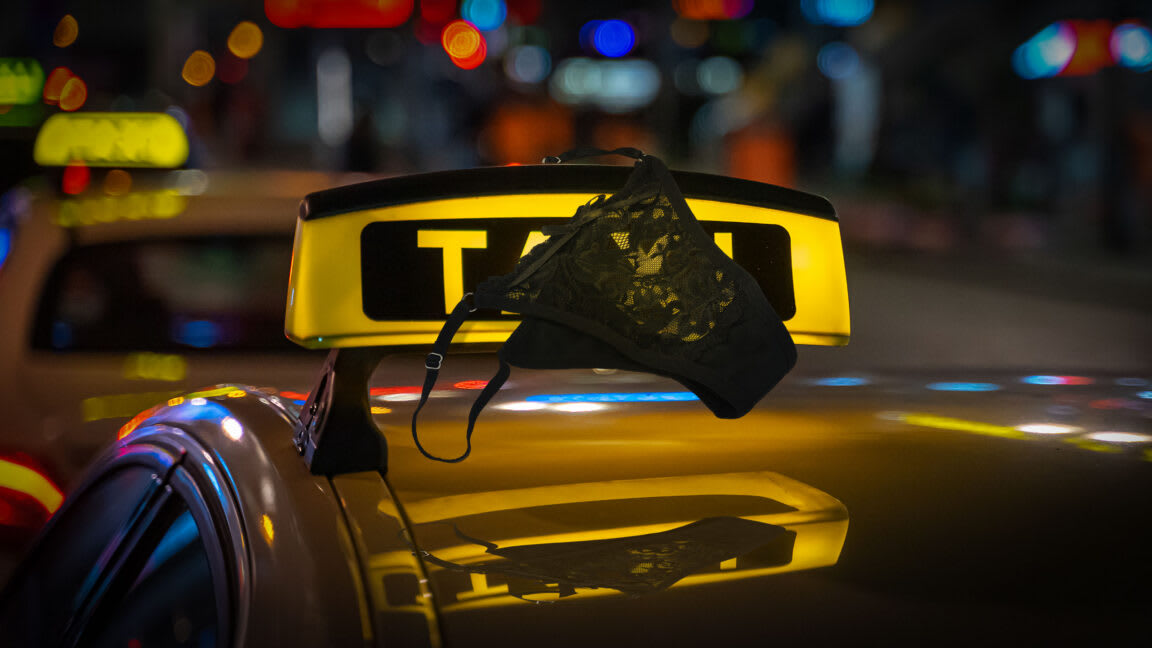
Autonomous vehicle designers are grappling with the challenge of preventing passengers from using robotaxis for sexual activities. As ride-sharing evolves, companies must weigh privacy concerns against the need to maintain public decency and vehicle sanitation.
The Intersection of Autonomy and Intimacy
The advent of autonomous vehicle (AV) technology has introduced a unique set of behavioral challenges that manufacturers could not have fully anticipated during the initial engineering phases. As reported by The San Francisco Standard, passengers have begun utilizing General Motors’ now-defunct Cruise robotaxis for sexual encounters, a trend that echoes earlier behavioral patterns observed when Tesla’s Autopilot feature first enabled hands-free driving. This phenomenon highlights a significant friction point between the promise of private, autonomous transit and the reality of human behavior.
Historical Context of the Vehicle as a Private Sanctuary
Historically, the interior of a car has long been treated as a semi-private sanctuary, frequently sexualized in cinema, music, and popular culture. By removing the presence of a human driver or a chaperone, the robotaxi effectively removes the final social barrier that previously discouraged such behavior in public or semi-public transit spaces. The lack of an authority figure or an attentive human operator creates a psychological environment where passengers feel a greater sense of freedom to engage in activities they would otherwise consider inappropriate in a traditional taxi or rideshare service.
The Design Dilemma: Privacy vs. Supervision
Designers of autonomous vehicles now face a complex dilemma: how to effectively monitor passenger activity without infringing upon the user's expectation of privacy. While cameras are standard in many modern robotaxis for safety and security purposes, the constant surveillance required to curb illicit behavior could alienate customers who value the 'hands-off' nature of the experience. The challenge lies in creating interior designs that discourage inappropriate conduct through subtle environmental cues or technical safeguards rather than overt surveillance.
Psychological and Social Implications
As one user noted in interviews, the comfort of the vehicle environment can lead to a rapid escalation of intimacy. This suggests that the 'robotaxi experience' is being redefined by users not just as a mode of transport, but as a mobile, private space. This shift in usage patterns forces developers to consider the long-term implications of vehicle sanitation and brand reputation, as the 'sexualization' of these vehicles could potentially alienate a wider demographic of users who seek a professional or neutral travel experience.
Future Trends in AV Interior Engineering
Looking forward, we can expect to see a shift in cabin design that emphasizes transparency and discourages 'secluded' configurations. Future iterations of autonomous pods may feature more open-concept layouts, better-integrated sensor arrays that detect prohibited activities, or even stricter terms of service enforced through sophisticated interior monitoring systems. Ultimately, the industry must bridge the gap between providing a convenient, private service and ensuring that the vehicle remains a public utility that adheres to societal norms.