Robotic hip, knee surgeries no better than conventional ones: Studies
Source Entity
Latest News: Todays Latest News Headlines from India & World | Hindustan Times | Hindustan Times
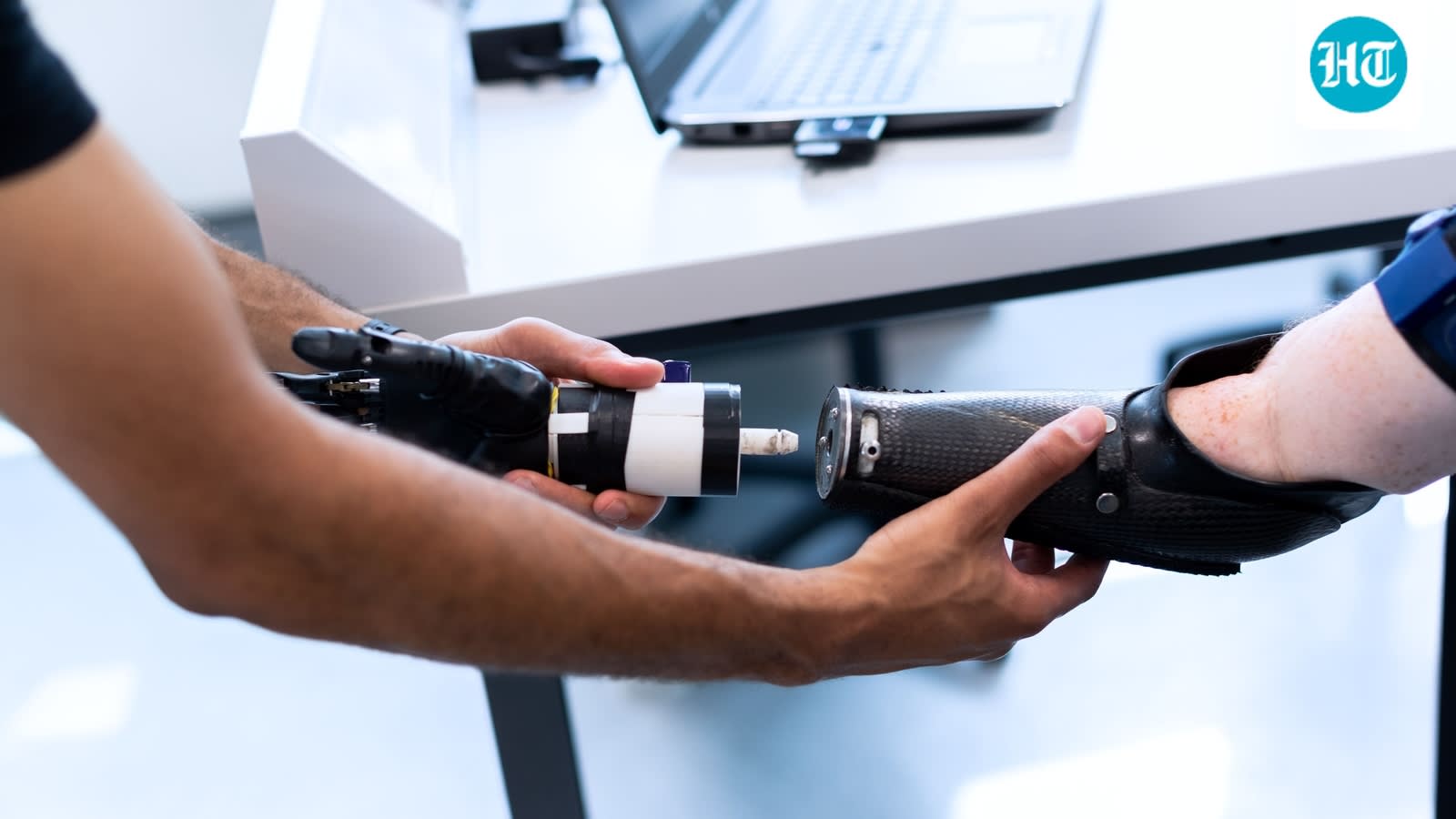
Large-scale UK studies published in The BMJ reveal that robotic-assisted hip and knee surgeries offer no significant clinical advantages over conventional procedures. These findings challenge the rapid adoption of robotic surgical technology in global markets, including India's private healthcare sector.
The Efficacy of Robotic Orthopedic Surgery: A Critical Re-evaluation
Recent, large-scale studies published in The BMJ have cast significant doubt on the clinical superiority of robotic-assisted hip and knee replacement surgeries. By analyzing data from the National Joint Registry, researchers compared over 1.3 million procedures performed between 2018 and 2024. The findings suggest that despite the high cost and technological complexity associated with robotic systems, patient outcomes remain statistically indistinguishable from those achieved through conventional surgical methods.
Methodology and Scope of the Research
The robustness of this research is underscored by its massive sample size, which included 666,283 hip replacements and 697,145 knee replacements. To ensure a fair comparison, the researchers utilized a rigorous matching process, controlling for critical variables such as patient age, biological sex, body mass index (BMI), pre-existing diagnoses, physical fitness levels, the specific type of implant utilized, and the experience level of the operating surgeon. This meticulous adjustment mitigates the risk of bias, providing a clear window into the actual performance of robotic versus manual techniques.
Implications for Global Healthcare Adoption
This evidence serves as a significant corrective to the rapid, often marketing-driven, adoption of robotic surgical platforms. In many healthcare systems, including the private sector in India, robotic joint replacement has seen exponential growth over the past decade. Hospitals have frequently promoted these systems as 'next-generation' solutions for patients; however, the lack of improved clinical outcomes suggests that the primary driver of this adoption may be technological prestige or market differentiation rather than definitive patient benefit.
The Economic and Clinical Paradox
The disparity between the high investment cost of robotic platforms and the lack of superior clinical results raises urgent questions regarding resource allocation in healthcare. If robotic systems do not offer tangible improvements in patient recovery, mobility, or implant longevity, the financial burden placed on patients and healthcare systems may not be justified. This prompts a necessary debate among orthopedic surgeons and hospital administrators about whether the 'robotic' label is being used as a substitute for superior clinical outcomes.
Future Trends and Clinical Practice
Moving forward, the orthopedic community must grapple with these findings as they refine surgical standards. While robotic systems may offer perceived benefits in precision during the procedural phase, this study demonstrates that such precision does not necessarily translate into better long-term patient health. Surgeons and policymakers may now be forced to pivot toward evidence-based adoption, prioritizing patient outcomes over the allure of high-tech machinery. Future clinical guidelines will likely need to reflect these findings to ensure that patients are not paying a premium for technology that does not offer a clinical advantage.
Verification Required?