Rocket Lab’s stock slides as the company pushes back Neutron’s first launch
Source Entity
William Gavin
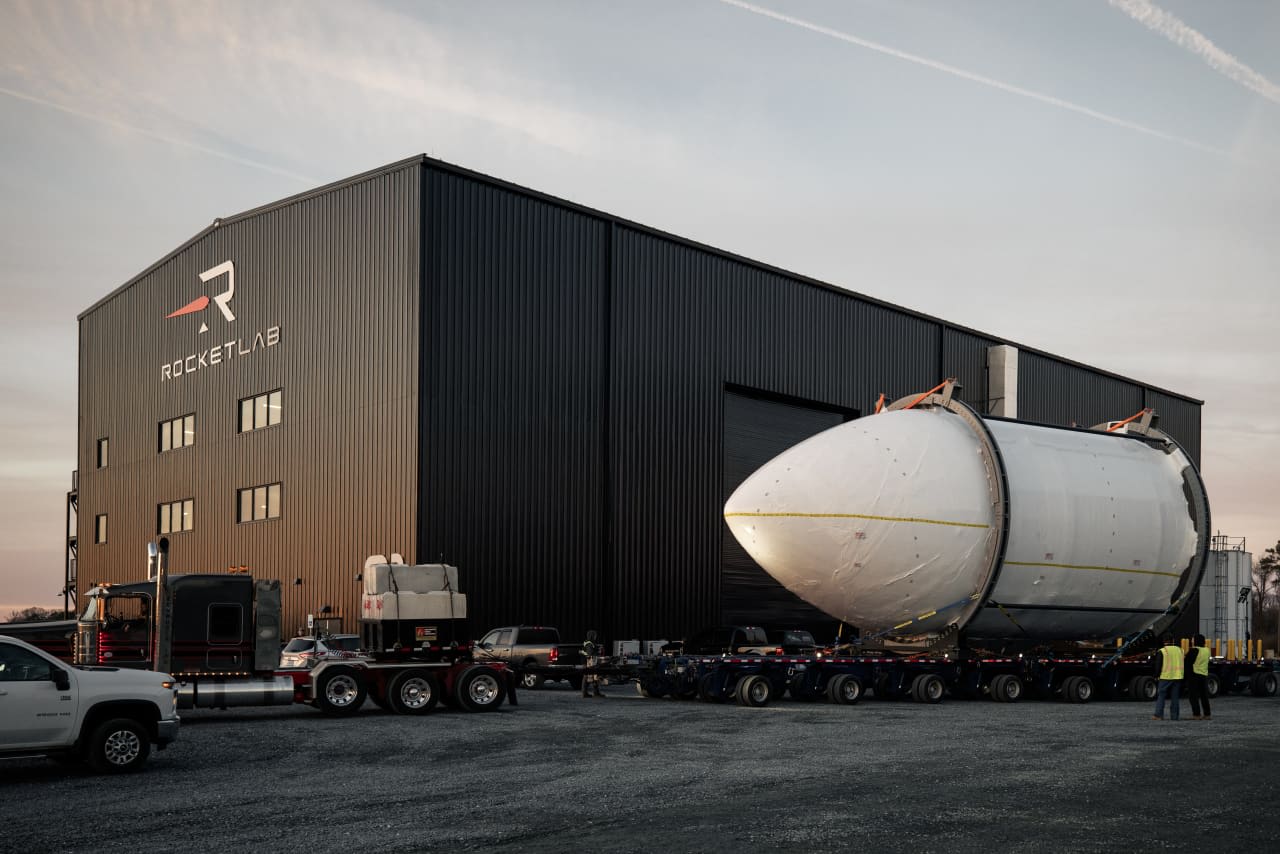
Rocket Lab's stock fell following the announcement that its Neutron rocket launch is delayed beyond 2024. This medium-lift vehicle is designed to compete directly with SpaceX's Falcon 9.
Rocket Lab Delays Neutron Debut
Rocket Lab has officially announced a delay for the maiden flight of its Neutron launch vehicle, confirming that the medium-lift rocket will not reach the launchpad this year. This news has triggered an immediate negative reaction from investors, resulting in a slide in the company's stock price. As a pivotal project for the aerospace firm, the Neutron rocket represents a significant shift in Rocket Lab’s strategic trajectory, moving from small-satellite deployment to more robust, medium-lift capabilities.
Strategic Competition in the Launch Sector
The Neutron rocket is explicitly designed to compete with SpaceX’s Falcon 9, the industry standard for reliable, medium-to-heavy lift orbital delivery. By entering this competitive space, Rocket Lab aims to capture a larger share of the commercial and government launch market. However, the delay underscores the extreme engineering complexity inherent in developing a next-generation reusable launch vehicle. Achieving the reliability and cadence required to challenge an incumbent like SpaceX is a monumental task that often faces timeline adjustments.
Market Impact and Investor Sentiment
The stock market reaction highlights the high stakes surrounding the Neutron program. Investors have previously priced in the promise of a 2024 launch, viewing it as a critical milestone for Rocket Lab's financial growth and market positioning. When development timelines slip in the capital-intensive aerospace sector, it often leads to temporary volatility as shareholders recalibrate their expectations regarding revenue generation and the timeline for project maturity.
Engineering Challenges in Aerospace
Developing a launch vehicle is an iterative process that frequently encounters technical hurdles, from engine testing and structural integrity validation to the integration of complex flight-proven technologies. While the delay is a setback for the current fiscal year, it is not uncommon in the aerospace industry. Companies must prioritize launch safety and mission success over aggressive scheduling to maintain long-term viability and client trust in a mission-critical industry.
Looking Ahead: Future Trends
As the industry watches for a new launch window, Rocket Lab’s ability to successfully debut the Neutron will be the primary indicator of its long-term competitive health. The shift in the launch schedule suggests that the company is taking a cautious approach to final assembly and testing. Looking forward, the focus will remain on how effectively the company manages its capital and resources during this extended development period, as the demand for reliable, medium-lift launch capacity continues to grow globally.
Verification Required?