Six-ball duck adds to Rohit Sharma’s ordinary record in New Zealand
Source Entity
The Indian Express
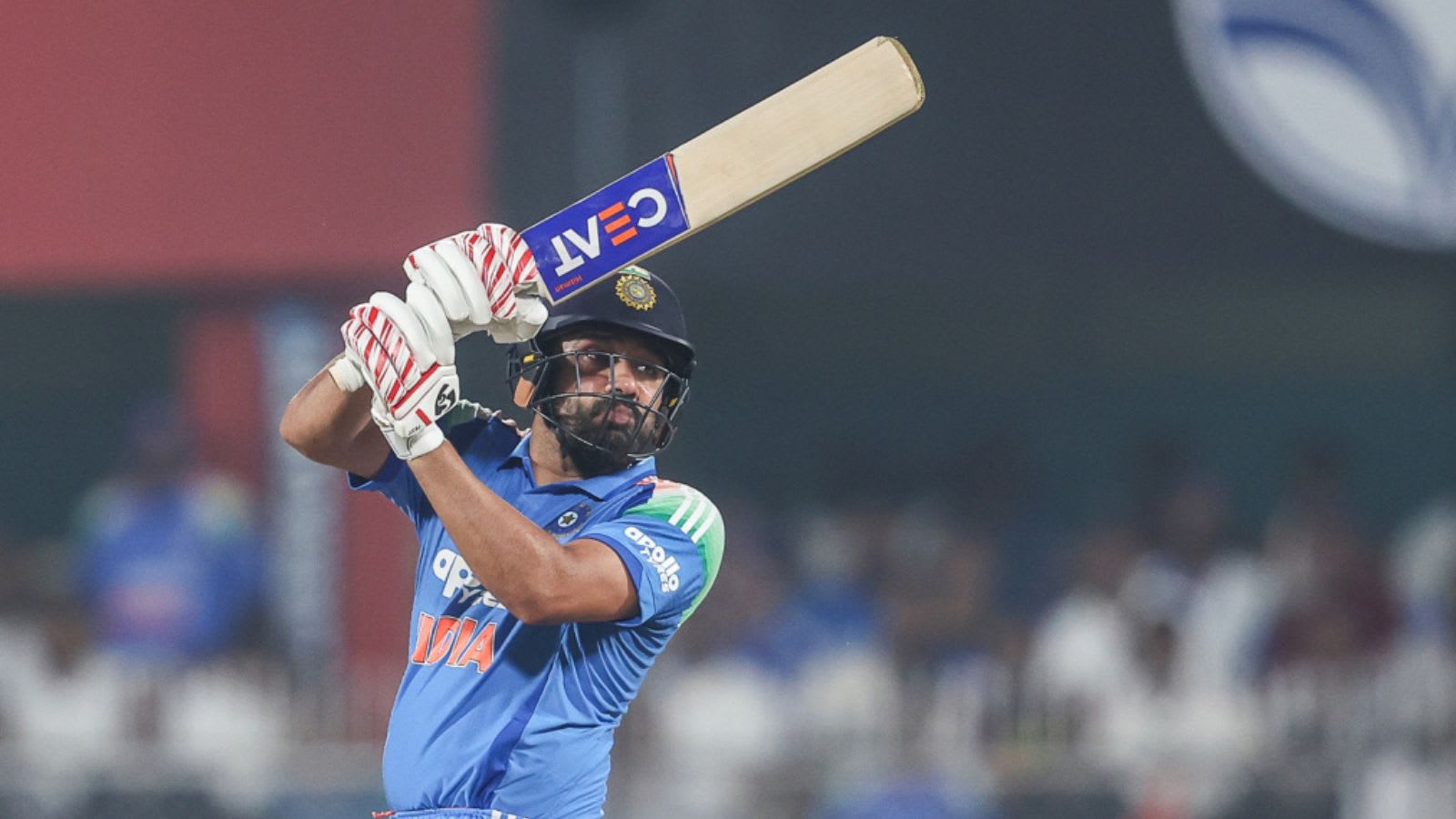
Indian captain Rohit Sharma recorded a six-ball duck against New Zealand in Auckland, continuing his struggle in the region. This performance highlights ongoing concerns regarding his form ahead of the upcoming 50-over World Cup.
Rohit Sharma's Struggle in New Zealand: A Deep Dive
The Auckland Setback
In a recent encounter in Auckland, Indian captain Rohit Sharma faced a brief but significant setback, recording a six-ball duck against the New Zealand bowling attack. While a short stint at the crease is often dismissed as a statistical anomaly in the longer format of the game, the context of this specific dismissal carries weight. Facing Kyle Jamieson, who maintained a disciplined line and length, Rohit was unable to establish his rhythm, ultimately failing to register a score in a match where the opposition's total was relatively modest.
Historical Context of Challenges in New Zealand
New Zealand has historically proven to be a difficult venue for the Indian skipper. The conditions in the region, characterized by swing-friendly surfaces and high-intensity seam bowling, have often challenged Rohit's technique. This latest duck reinforces a pattern of performance that has seen the batter struggle to find consistency when touring the Kiwi nation. For a player of his caliber, these hurdles are not merely about the scorecard but represent a recurring tactical challenge against moving balls.
The Path to the 50-Over World Cup
Every innings Rohit Sharma plays at this stage of his career is being viewed through the lens of his long-term ambition: to exit the international stage on a high note at the next 50-over World Cup. With the tournament looming, the pressure on senior leaders to maintain peak form is immense. The inability to capitalize on a chase where there was no immediate scoreboard pressure suggests that the team management will need to evaluate how he prepares for high-stakes matches in swinging conditions.
Analyzing the Technical Battle
Kyle Jamieson’s approach to bowling to Rohit provides a blueprint that other international bowlers may look to replicate. By keeping the delivery full and on the stumps, Jamieson effectively restricted Rohit’s ability to play his trademark shots. This highlights the importance of technical adaptability; when the pitch offers movement, the margin for error for a top-order batter shrinks drastically, leaving little room for a slow start.
Broader Implications for Team India
For the Indian team, the reliability of their captain is paramount. While one bad outing does not define a career, the cumulative effect of ordinary performances in specific overseas conditions can create doubt. As the side builds toward the World Cup, the focus will likely shift toward ensuring that the top order can withstand early pressure from world-class seam attacks. Rohit’s ability to bounce back from this Auckland disappointment will be a key indicator of his readiness for the challenges ahead.
Conclusion: Moving Forward
Ultimately, while the six-ball duck in Auckland is a minor footnote in a storied career, it serves as a reminder of the volatile nature of cricket. Rohit Sharma remains a cornerstone of the Indian batting lineup, but his record in New Zealand serves as an area for improvement. As the team looks toward future campaigns, addressing these specific technical vulnerabilities will be essential for both the captain and the squad's collective success.