Is Rohit Sharma inconsistent? What AB de Villiers said about former India captain
Source Entity
The Indian Express
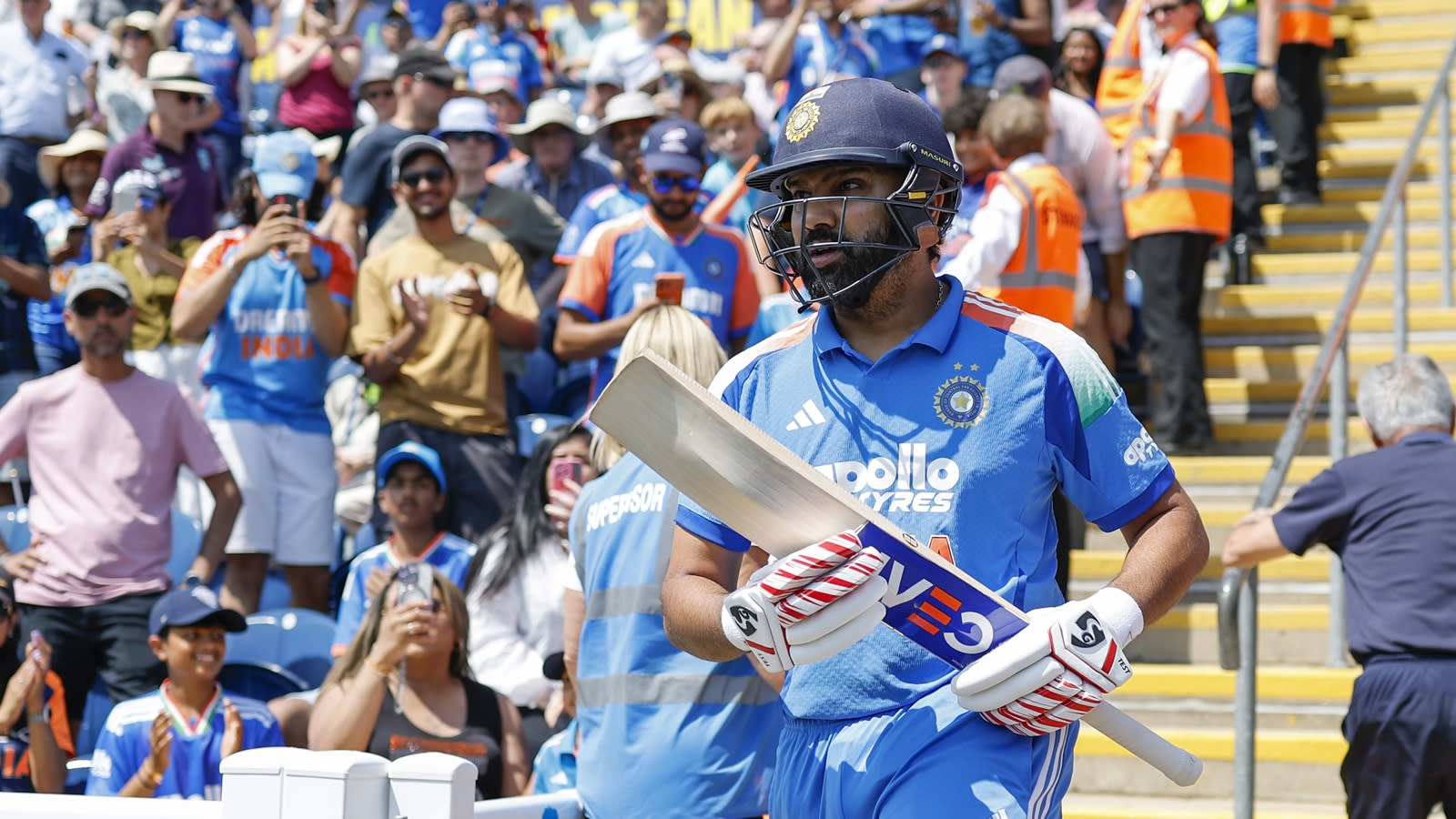
Rohit Sharma faces intense scrutiny following India's recent ODI struggles under Gautam Gambhir. Despite being a top run-scorer, his age and recent performance inconsistencies have sparked debates over his future in the squad.
The Paradox of Rohit Sharma: Performance vs. Age
Indian cricket is currently navigating a period of significant transition and turbulence. While Rohit Sharma remains India’s highest run-scorer in ODIs since the 2023 World Cup and stands as the only centurion in overseas ODIs outside Asia during this cycle, his position in the team is increasingly precarious. The central tension lies in a divergence between his statistical output—which remains elite by any standard—and the looming specter of age-related decline.
The Gautam Gambhir Era and Team Struggles
The narrative surrounding Sharma is inextricably linked to the broader team performance under head coach Gautam Gambhir. India has suffered a concerning trend, losing six of the nine away ODIs played under Gambhir’s tenure. This string of poor results, compounded by a recent T20 whitewash against England and a 2-1 ODI series defeat, has forced the management to look for scapegoats or catalysts for change. Consequently, even a player of Sharma's caliber finds himself at the center of discussions regarding retirement and succession.
The Metric of Age vs. The Metric of Runs
Despite being the only opener to aggregate over 1,000 runs since last year, the defining metric for Sharma has shifted from his technical prowess to his chronological age. Nudging 40, Sharma is facing a reality where his professional longevity is being questioned more than his actual batting range. A brief dry spell of five innings without a fifty was sufficient to ignite intense public and internal speculation about his future, proving that in modern Indian cricket, past achievements are often weighed lightly against the necessity of building for the next cycle.
The Expert Perspective: AB de Villiers' Defense
In contrast to the domestic clamor for a youth-centric overhaul, international legends like AB de Villiers offer a more nuanced view. De Villiers has publicly backed Sharma to be a vital component of India’s 2027 World Cup plans. He argues that while inconsistency has historically been a trait of Sharma's game, the intangible value—the "belief" and experience that veterans like Sharma and Virat Kohli bring to the field—is irreplaceable. For de Villiers, the "bigger picture" of team stability outweighs the reactionary impulse to drop senior players based on a single series loss.
Future Trends and Selection Risks
As the selectors prepare for the next assignment in September, the pressure on the coaching staff to refresh the squad is immense. The risk of a "cold snub" for Sharma is a real possibility, as the team management attempts to mitigate the fallout from the recent overseas losses. However, moving on from a player who is still statistically the most prolific opener in the country presents a significant strategic gamble. Whether the selectors prioritize a long-term succession plan or retain the veteran presence of Sharma will define the trajectory of Indian ODI cricket for the next two years.
Conclusion
Rohit Sharma stands at a crossroads where his legendary status is being tested against the relentless pressure of a results-driven environment. While his recent numbers suggest he remains a top-tier asset, the systemic failures in away ODIs have made him a focal point for organizational change. Ultimately, the decision to retain or move on from Sharma will signal whether Indian cricket chooses to value the steadying hand of experience or the unpredictable promise of a new generation.