Rohit Sharma’s Lord’s century didn’t answer India’s real question
Source Entity
Lalith Kalidas
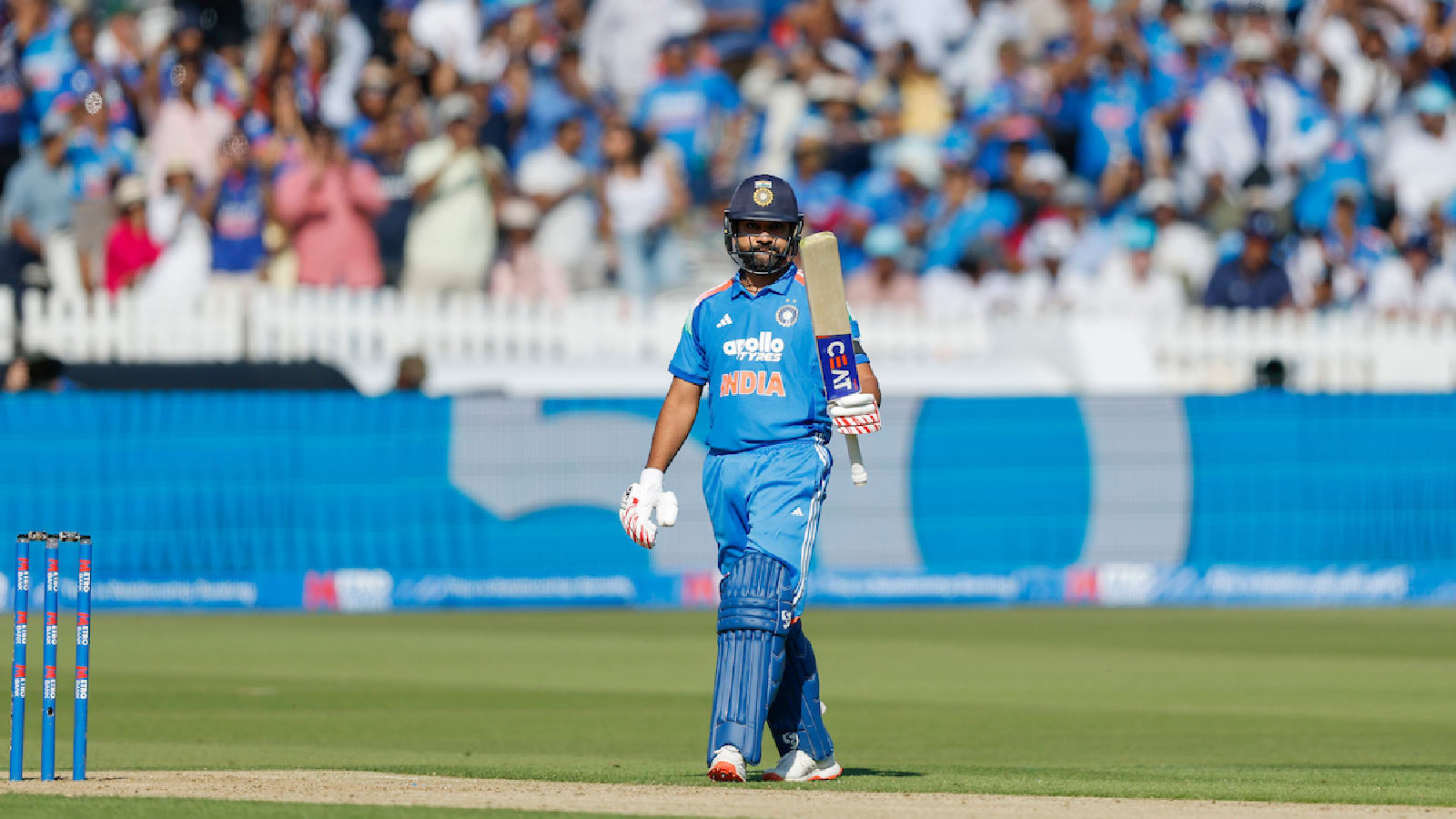
Rohit Sharma faces intense scrutiny regarding his future in India's ODI setup following a difficult run of away results under Gautam Gambhir. While critics highlight his age and recent inconsistency, figures like AB de Villiers emphasize the veteran's vital leadership and experience.
The Crossroads of Indian Cricket: Rohit Sharma's Future
Indian cricket finds itself in a period of significant transition and turbulence following a series of disappointing away results. Under the tenure of head coach Gautam Gambhir, the national side has struggled to maintain dominance on foreign soil, losing six of their last nine away ODIs. At the center of this narrative is captain Rohit Sharma, whose individual performance remains a subject of intense debate despite his status as India's highest run-scorer in the format since the 2023 World Cup.
The Age Metric vs. Performance Data
The central tension surrounding Rohit Sharma involves the intersection of chronological age and on-field output. Nearing 40, Rohit has become the focal point of a selection policy that increasingly prioritizes future-proofing over proven pedigree. Critics argue that his age is now the defining metric for his readiness, overshadowing the fact that he remains the only opener to aggregate over 1000 runs since last year. This discrepancy between statistical production and perceived longevity creates a precarious environment for a player who has consistently carried the batting lineup.
The Shadow of Tactical Scrutiny
Beyond individual form, the team's struggles have inevitably cast a shadow over leadership. The recent series defeat against England has intensified discussions regarding succession planning. Mid-way through the year, a brief slump—characterized by five consecutive innings without a fifty—was sufficient to spark widespread speculation about his potential exclusion. With selectors set to meet in September, the possibility of a cold snub remains a credible threat to his continued tenure, regardless of his historic contributions to the team.
The Perspective of Peers
Contrasting the domestic skepticism, international icons like AB de Villiers offer a different lens through which to view the veteran opener. While de Villiers acknowledges the "long-standing inconsistency" that has plagued Rohit’s career, he emphasizes the intangible value of veteran presence. According to de Villiers, the belief and tactical grounding that players like Rohit and Virat Kohli bring to the squad are irreplaceable, particularly when looking toward long-term goals like the 2027 World Cup.
Broader Implications for the Gambhir Era
The current state of the Indian ODI team reflects the friction often found during a coaching transition. Gautam Gambhir’s mandate to reshape the side is clearly clashing with the reliance on established veterans who have defined the last decade of Indian cricket. As the team navigates these losses, the management must decide whether to accelerate the youth movement or lean on the experience that historically stabilizes the middle and top orders during high-pressure international campaigns.
Conclusion: A Legacy in the Balance
Ultimately, Rohit Sharma stands at a pivotal junction. While his recent century at Lord's serves as a reminder of his class, it has failed to silence the broader questions regarding India’s strategic direction. Whether he remains a cornerstone of the 2027 vision or becomes a casualty of a necessary generational shift will depend on how the selectors weigh his undeniable run-scoring ability against the urgent need for a refreshed, long-term squad identity.
Multiple Citing Sources