Roku raises streaming hardware prices by up to $50
Source Entity
Emma Roth
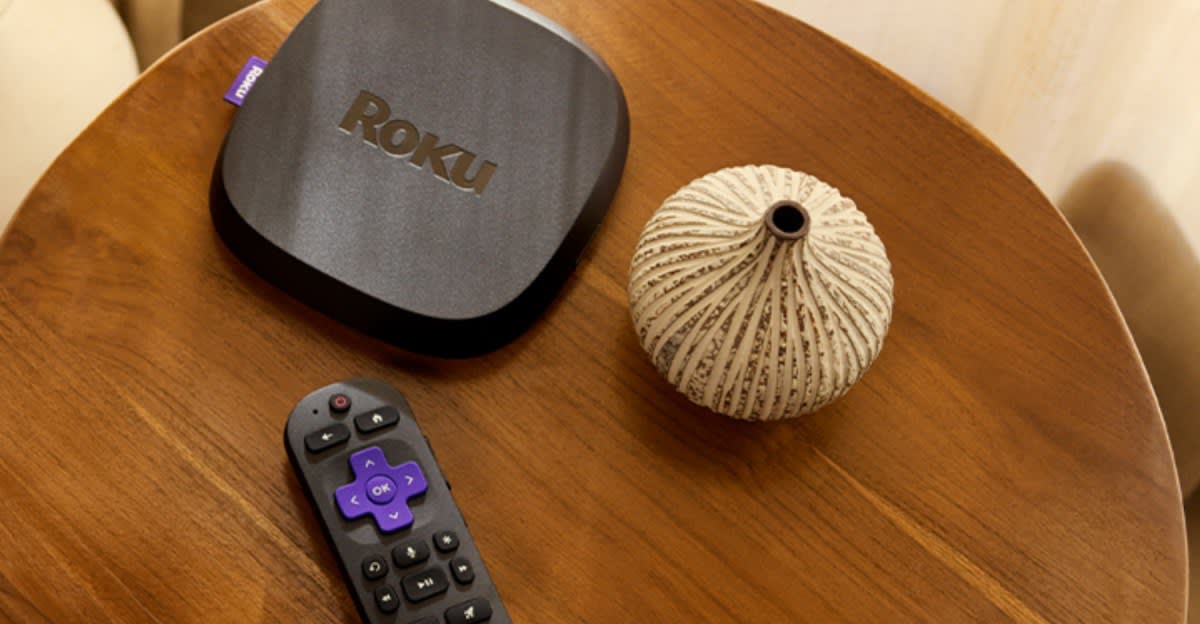
Roku has implemented significant price increases across its entire lineup of streaming hardware, with some devices seeing hikes of up to 60 percent. The company attributes these adjustments to ongoing global memory shortages despite previous executive optimism regarding business performance.
Roku Implements Broad Hardware Price Hikes
Roku has officially moved to increase the Manufacturer's Suggested Retail Price (MSRP) across its entire portfolio of streaming devices. The adjustments, which have been confirmed through updates on the company’s official website, see base models like the entry-level HD Streaming Stick rise from $29.99 to $39.99. This shift represents a aggressive pricing strategy for a company that has historically competed on affordability and accessibility in the saturated streaming hardware market.
Analyzing the Scale of Increases
The price adjustments are not uniform, with some high-end devices seeing increases of up to $50. Notably, the Roku Ultra and the Roku Streambar SE have moved from a $100 price point to $150, representing a substantial 50% increase. The Roku Streaming Stick 4K has also seen a significant jump, moving from $50 to $80. These figures, corroborated by historical data from the Internet Archive’s Wayback Machine, indicate that even promotional bundles—such as those including Fox One subscriptions—have seen their underlying MSRPs adjusted upward, forcing consumers to pay more even when items are marked as being on 'sale.'
The Memory Shortage Justification
According to statements provided by a Roku executive to The Desk, the primary driver behind these price hikes is the ongoing global memory (RAM) shortage. This explanation creates a notable tension with previous corporate messaging; as recently as May, Roku’s leadership described the supply chain environment as 'great' for the business. This shift in narrative suggests that while the company may have initially viewed market volatility as an opportunity to gain share, the sustained pressure on component costs has eventually necessitated a direct transfer of expenses to the end consumer.
Strategic Implications in the Streaming Wars
These price increases arrive at a critical juncture for Roku, which continues to navigate the intense 'streaming wars.' By raising the barrier to entry, Roku risks alienating budget-conscious consumers who have traditionally favored the brand for its low-cost entry points. Furthermore, the timing of these changes—amidst reports of potential acquisition interest from entities like Fox—suggests a strategic effort to bolster hardware margins or perhaps re-evaluate the profitability of the physical device segment versus the company's advertising-supported platform business.
Future Trends and Consumer Impact
Looking forward, this move may signal a broader trend in consumer electronics where companies can no longer absorb the costs of component inflation. If Roku's competitors follow suit, the era of the 'cheap' streaming stick may be coming to a close. Consumers should expect to see more 'sale' pricing that reflects the former MSRPs, as Roku is currently attempting to soften the blow by listing the new, higher prices alongside 'sale' discounts on their storefront to minimize immediate sticker shock.
Conclusion
In summary, Roku’s decision to increase hardware prices by up to 60% underscores the severe impact of supply chain constraints on even the most dominant players in the streaming space. While the company cites component shortages, the move fundamentally alters the value proposition of their hardware lineup. Investors and users alike will be watching closely to see if these price hikes impact unit sales volume or if the brand's ecosystem loyalty is strong enough to weather the cost increase.