The man who built Apple’s stores doesn’t buy Silicon Valley’s bet on AI shopping
Source Entity
Jagmeet Singh
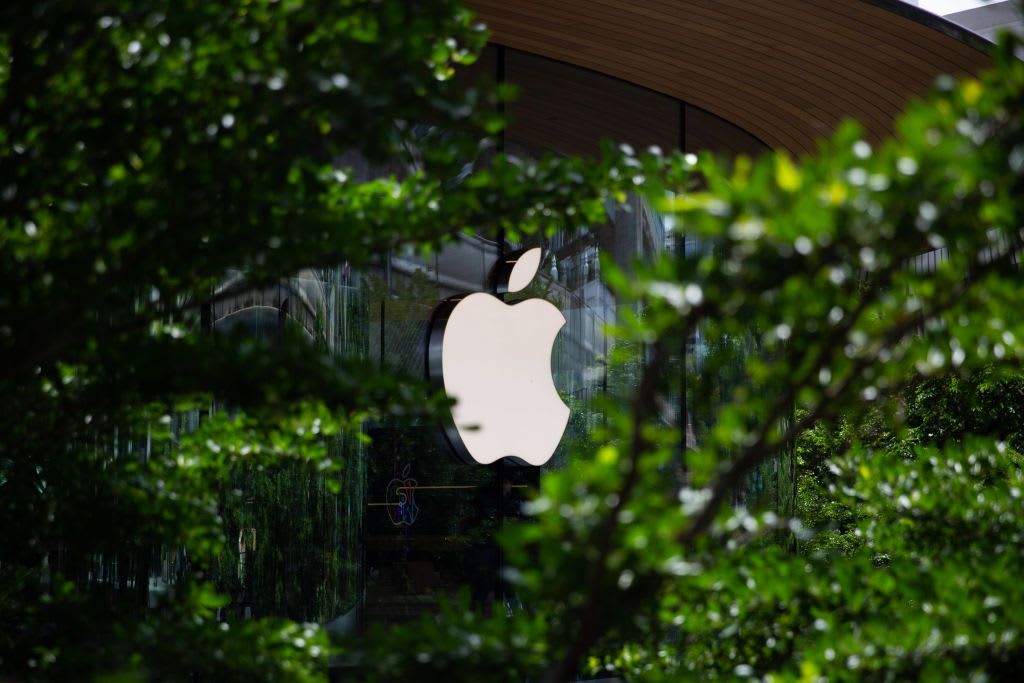
Apple Store architect Ron Johnson argues that human interaction, not AI, remains the core of successful retail. He believes the industry's heavy investment in AI shopping agents overlooks the enduring value of physical stores.
The Human Element in Retail: Ron Johnson’s Perspective
Ron Johnson, the visionary behind the iconic Apple Store model, has challenged the prevailing Silicon Valley narrative that artificial intelligence will fundamentally reshape the way consumers shop. While major tech firms are pouring billions into developing AI agents designed to automate the purchasing process, Johnson contends that the industry is miscalculating the role of human connection in commerce. His critique highlights a potential disconnect between technological capability and consumer behavior.
The Legacy of Apple’s Retail Strategy
To understand Johnson’s skepticism, one must look at his tenure at Apple, which began in 2000. During a time when online shopping was in its infancy, Johnson was tasked with building a physical retail footprint that would serve as more than just a place to buy products. By focusing on customer service and the tactile experience of interacting with technology, he helped turn Apple stores into community hubs. This strategy proved that, even in a digital-first world, physical spaces are essential for brand loyalty and customer engagement.
AI as an Enhancement, Not a Revolution
Johnson acknowledges that AI will undoubtedly improve the efficiency of online shopping, streamlining tasks and providing better personalization. However, he draws a sharp line between 'improving' a process and 'changing' the fundamental nature of shopping. His stance suggests that while AI may handle the logistical friction of retail, it cannot replicate the emotional or social components of the shopping experience that physical stores provide.
The Endurance of Physical Spaces
Throughout his career, Johnson has repeatedly encountered predictions regarding the 'death of retail.' Each time, the emergence of a new digital tool was heralded as the final nail in the coffin for brick-and-mortar shops. Yet, these stores have consistently adapted. Johnson’s belief that physical stores will continue to thrive is rooted in the idea that people still crave human interaction, especially when making significant purchases or seeking expert guidance.
Broader Implications for Tech Investment
If Johnson’s assessment is correct, the current massive capital expenditure on AI shopping agents may yield diminishing returns. If consumers are not looking to delegate their shopping decisions to machines, the industry risks over-investing in a solution for a problem that consumers aren't necessarily looking to solve. This creates a strategic tension between tech companies chasing the 'AI future' and the reality of consumer preference for human-led retail.
Looking Toward the Future of Retail
Moving forward, the retail landscape will likely be defined by a hybrid approach. While AI will handle the backend of the shopping experience, the 'front end'—the point of sale and customer interaction—may remain firmly grounded in the human-centric model that Johnson pioneered. The future of retail may not be about replacing humans with agents, but rather using technology to empower the human interactions that Johnson believes are the true 'secret sauce' of successful business.