Biggest fibre boost could be scraps in your bin, experts say
Source Entity
BBC News
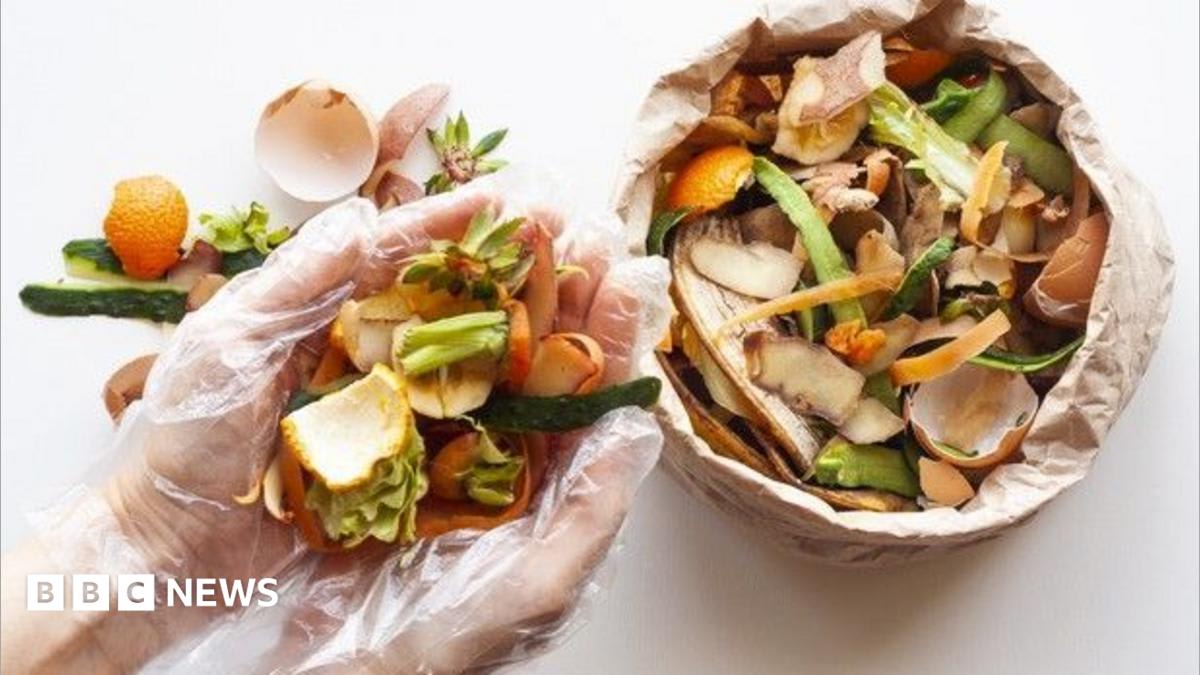
Food scientists suggest that consuming vegetable skins, seeds, and stalks can significantly increase dietary fibre intake. Trials involving root-to-tip cooking methods aim to reduce food waste while maximizing nutritional value.
The Hidden Nutritional Potential of Kitchen Scraps
Recent findings from food scientists suggest that a significant portion of our dietary fibre intake is currently being discarded in our kitchen bins. By shifting our perspective on what constitutes 'edible' food, specifically by consuming vegetable skins, seeds, and stalks, we can unlock vital nutrients that are often overlooked in standard culinary practices. This movement toward 'root-to-tip' eating is not merely a trend but a scientifically backed approach to enhancing human nutrition.
The Science of Root-to-Tip Nutrition
Research indicates that components such as kiwi skins, broccoli stalks, and bell pepper seeds are dense with fibre. While many consumers have been culturally conditioned to peel, core, and trim these items, the nutritional profile of these discarded parts is often comparable to, or even higher than, the flesh we typically consume. By integrating these elements into our regular diet, we can naturally boost our daily fibre intake without the need for supplements or drastic changes to our caloric consumption.
Culinary Adaptation and Nutrient Preservation
One of the primary concerns regarding these scraps is how preparation affects their chemical composition. Scientists clarify that while cooking does alter the fibre content, it rarely destroys it entirely. To maximize the health benefits, the methodology of cooking is crucial; techniques like steaming, microwaving, or quick sautéing are highly recommended as they preserve the integrity of the nutrients better than prolonged boiling or high-heat roasting. The ongoing canteen experiments, which have included innovative dishes like banana skin curry, demonstrate that these ingredients can be palatable when prepared correctly.
Overcoming Cultural and Sensory Barriers
Dr. Gibson, a lead researcher in this study, emphasizes that this initiative is not about forcing individuals to consume unpalatable food or striving for culinary perfection. Instead, it is an exercise in re-evaluating our relationship with food waste. During a nine-week canteen trial, researchers acknowledged that initial hesitation and sensory concerns from diners were common. This reflects the deep-seated societal conditioning that equates certain textures or appearances with inedibility.
Future Implications for Sustainability and Health
Beyond individual health benefits, the broader implications of this shift are significant. Reducing food waste by utilizing the entirety of a vegetable supports a more sustainable food system. As more institutions and households begin to adopt these practices, we may see a shift in consumer demand and culinary education. While the transition may be gradual, the scientific evidence suggests that the 'scraps' we throw away could play a pivotal role in addressing modern dietary deficiencies.
Conclusion
Ultimately, the move toward root-to-tip consumption is a pragmatic solution to a dual problem: nutritional insufficiency and excessive food waste. By slowly incorporating these overlooked components into our daily meals, we can improve our digestive health and environmental footprint simultaneously. As the research continues to evolve, the focus will likely remain on making these nutrient-dense scraps accessible and appetizing for the general public.