Women farmers must be at forefront of agricultural policymaking: RSS leader Ramlal
Source Entity
The Indian Express
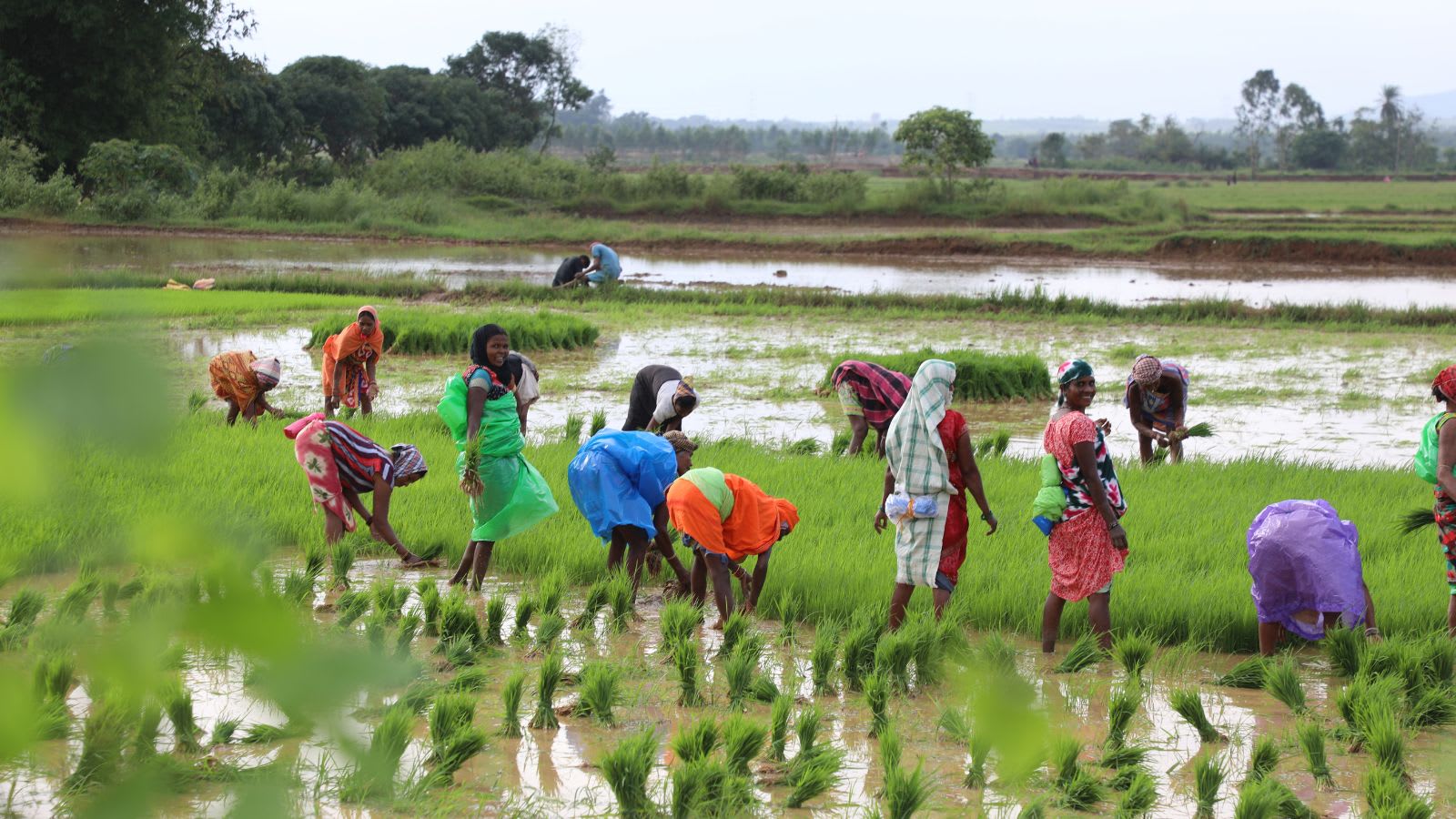
RSS leader Ramlal has urged the Indian government to prioritize women farmers in agricultural policymaking. He emphasized providing them with better access to credit, local processing, and organic produce markets to boost the rural economy.
Empowering Women in India’s Agricultural Landscape
Recent statements by RSS leader Ramlal have brought the critical role of women in the Indian agricultural sector into sharp focus. Speaking at the conclusion of the Bharatiya Kisan Sangh’s (BKS) first national conference of women farmers in Delhi, Ramlal asserted that women must be at the forefront of agricultural policymaking. This call to action marks a significant acknowledgment of the demographic shift and the vital labor contribution women provide to the nation's agrarian backbone.
The Economic Imperative
Ramlal’s emphasis on placing women at the center of decision-making is rooted in the reality that women are the primary workforce for labor-intensive tasks such as sowing, harvesting, and post-harvest management. By advocating for their inclusion in policy design, the BKS is signaling a shift toward recognizing women not just as laborers, but as essential stakeholders in a prosperous rural economy. The goal is to transition from traditional practices to a more sustainable and economically robust model that leverages the expertise of female farmers.
Barriers to Prosperity: Credit and Infrastructure
A core component of Ramlal’s proposal involves addressing systemic barriers that currently hinder women farmers. He specifically called on both Central and State governments to streamline access to credit, which remains one of the most significant hurdles for women in rural India. Without formal financial support, many female farmers struggle to scale their operations or invest in modern farming technology. By easing credit pathways, the government could empower these women to transition from subsistence farming to more commercial, profit-oriented agricultural models.
Local Processing and Market Access
Beyond credit, the proposal highlights the need for localized processing facilities. Currently, the lack of infrastructure near the farm gate often forces farmers to sell raw produce at lower prices. By investing in local processing, women farmers can add value to their crops, thereby increasing their profit margins. Furthermore, Ramlal specifically mentioned the importance of creating dedicated market channels for organic produce, aligning with the growing consumer demand for chemical-free food and the government's broader push toward sustainable and natural farming practices.
Future Outlook and Policy Integration
The integration of these recommendations into formal state and central policies could represent a paradigm shift for India’s rural development. If implemented, such policies would not only improve the socio-economic status of women but also enhance the overall efficiency of the agricultural supply chain. As India continues to navigate the complexities of food security and rural migration, empowering women through targeted policy intervention is increasingly viewed as a necessary step for long-term agricultural resilience.
Conclusion
In summary, the call to elevate women farmers in the policy hierarchy is a recognition of their indispensable role in India's agricultural success. By focusing on financial inclusion, infrastructure, and market access, the proposed shift aims to modernize rural livelihoods. The success of these initiatives will ultimately depend on the collaborative efforts of governmental bodies to turn these strategic recommendations into tangible, grassroots-level improvements for women across the country.