City with Open Hand turns 75: Can Chandigarh grow without losing itself?
Source Entity
Manraj Grewal Sharma
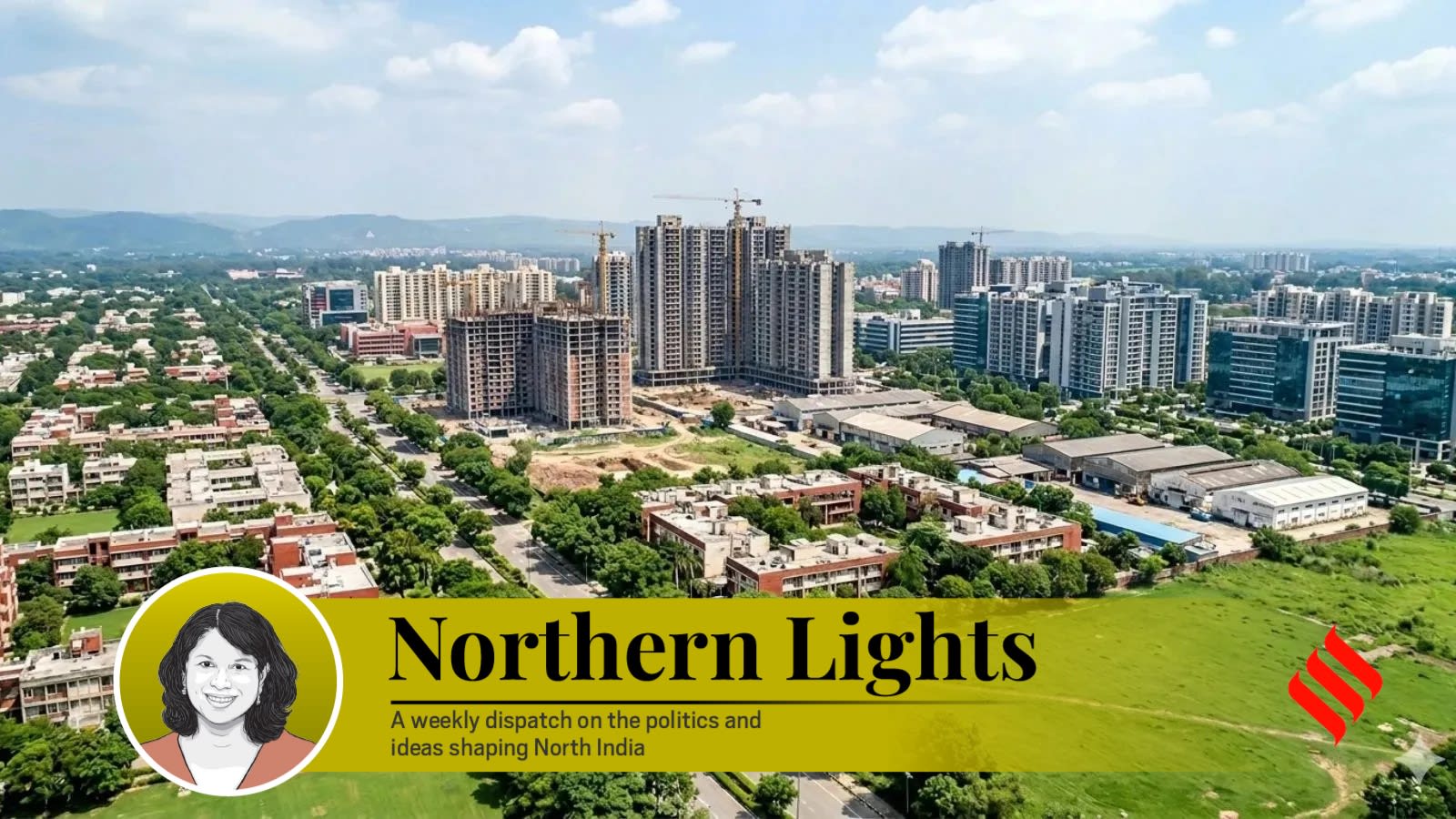
As Chandigarh marks its 75th anniversary, the city faces a critical tension between preserving its iconic urban planning and accommodating a growing population through vertical expansion. Simultaneously, the proliferation of unregulated, unsafe PG accommodations highlights the urgent need for stricter enforcement of safety and housing standards.
The Dilemma of Chandigarh at 75: Preservation vs. Progress
As Chandigarh reaches its 75th anniversary this October, the city finds itself at a critical urban planning crossroads. Conceived as a symbol of post-independence modernity, the city is now grappling with the pressures of rapid urbanization. The fundamental tension lies between the legacy of its original design—characterized by organized sectors and abundant greenery—and the modern necessity of accommodating an ever-increasing population within a finite geographic footprint.
The Vertical Growth Debate
The fear among long-term residents is palpable: they wish to avoid the chaotic, cramped urban sprawl seen in neighboring satellite cities like Zirakpur or the infrastructure struggles of Gurugram. With the Chandigarh Master Plan 2031 now permitting vertical growth, the city must determine if it can expand upward without compromising the architectural integrity and quality of life that define its identity. This transition is not merely logistical but existential, pitting the desire for heritage preservation against the utilitarian demands of a booming modern economy.
The Crisis of Unregulated Housing
While the macro-level debate focuses on urban planning, a more immediate crisis exists within the city's housing sector: the proliferation of unregistered paying guest (PG) accommodations. Thousands of students and young professionals flock to Chandigarh annually, creating a high demand for affordable housing. However, this demand has outpaced regulatory oversight, leading to overcrowded, unsanitary, and often unsafe living conditions. Many of these facilities operate without proper registration, evading the necessary scrutiny required to ensure basic human safety.
Lessons from Tragedy
The human cost of this regulatory vacuum was tragically illustrated in February 2020, when a fire at an unregistered PG in Sector 32-D claimed the lives of three young women. Investigations revealed that the premises had been subjected to unauthorized partitions to maximize density, directly compromising fire safety and ventilation. Such incidents underscore that the lack of enforcement is not a minor bureaucratic issue, but a life-threatening failure that necessitates urgent administrative intervention.
Future Trends and Administrative Responsibility
Moving forward, the Chandigarh administration must strike a delicate balance. The judicial proceedings, such as the framing of charges in September 2026 regarding the 2020 tragedy, serve as a grim reminder that accountability is paramount. To grow sustainably, the city must implement a two-pronged strategy: enforcing strict safety codes on existing informal housing while simultaneously managing vertical development in a way that respects the city's original master plan. The next chapter of Chandigarh’s history will depend on whether it can evolve into a high-density urban center without sacrificing the safety and aesthetic standards that have sustained it for three-quarters of a century.