IIT Bombay suicide: Crime branch questions accused Professor Doolla for 10 hours
Source Entity
Latest News: Todays Latest News Headlines from India & World | Hindustan Times | Hindustan Times
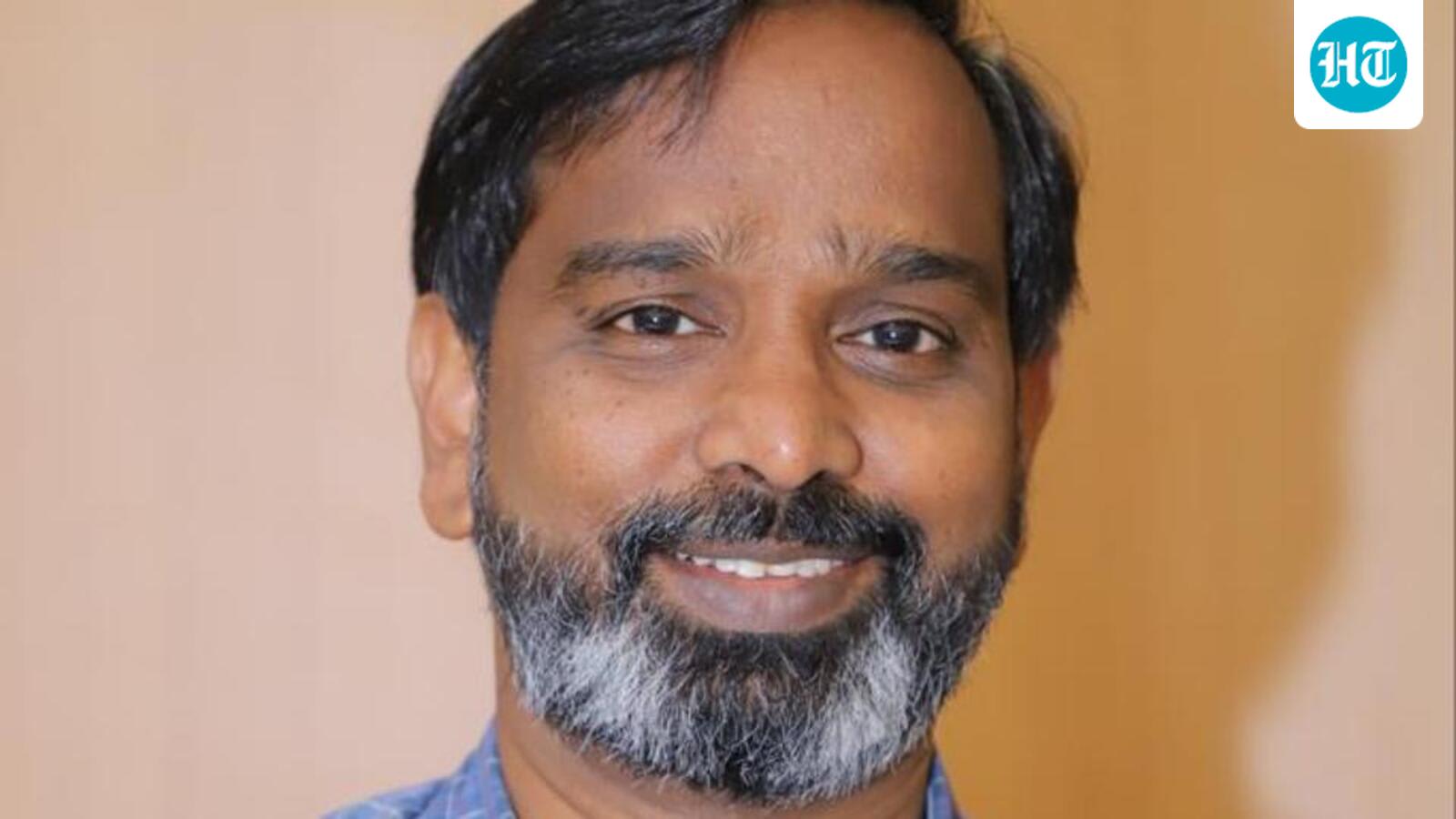
IIT Bombay Professor Suryanarayana Doolla was interrogated by the Mumbai Crime Branch regarding the suicide of student Sahil Wakode. The professor faces serious allegations of harassment and caste-based discrimination, which he has formally denied.
Investigation into the Death of Sahil Wakode at IIT Bombay
The Incident and Immediate Aftermath
The tragic death of 22-year-old IIT Bombay student Sahil Wakode on September 18, 2026, has triggered a significant investigation by the Mumbai Police. Following the discovery of the student's body in his hostel room, authorities registered an FIR against Professor Suryanarayana Doolla. The investigation intensified as the Crime Branch summoned the professor for extensive questioning, spanning nearly 10 hours, to address serious allegations leveled by the student's family.
Allegations of Harassment and Discrimination
At the heart of the legal proceedings are claims of harassment and caste-based discrimination. Sahil Wakode’s parents have formally accused Professor Doolla of creating an environment that contributed to their son's decision to end his life. These allegations have cast a spotlight on the internal culture of elite academic institutions and the specific vulnerabilities faced by students within these high-pressure environments. The professor has categorically denied these charges during his official statement, setting the stage for a complex legal battle.
Institutional Response and Administrative Action
In the wake of the incident and the subsequent police probe, IIT Bombay took immediate administrative action against Professor Doolla. He was removed from his position as the Dean of Students' Welfare and placed on mandatory leave. This move reflects the institute’s attempt to distance itself from the controversy and ensure that the ongoing investigation remains untainted by internal influence, while also signaling the gravity with which the administration is treating the claims of misconduct.
Scope of the Police Investigation
The Mumbai Crime Branch has adopted a comprehensive approach to the case, indicating that this is not merely an isolated inquiry. Officials have confirmed that statements from approximately 40 individuals have been recorded, including students, hostel staff, and personal friends of the deceased. By broadening the scope of witness interviews, the police aim to reconstruct the events of September 18 and determine if the alleged incident—where Wakode was reportedly caught using ChatGPT during an examination—played a pivotal role in the tragic outcome.
Broader Implications for Academic Integrity and Mental Health
This case highlights the intersection of academic pressure and institutional accountability. The alleged context of the incident—an examination-related confrontation—raises critical questions about how faculty members handle academic integrity violations and whether such procedures are conducted with adequate sensitivity toward student mental health. The incident has reignited national discourse regarding the support systems available for students in premier technical institutes and the necessity of addressing deep-seated systemic issues like caste-based discrimination.
Future Trends in Institutional Oversight
As the investigation proceeds, the outcome will likely influence how Indian universities handle disciplinary matters and student grievances. There is a growing expectation for more transparent, trauma-informed protocols in academic settings. The scrutiny on Professor Doolla serves as a stark reminder that academic leadership roles carry profound responsibilities, and the failure to navigate these roles with equity can have irreversible consequences for the student body.
Verification Required?