CCTV cameras in only 2% of Delhi Development Authority parks, shows audit
Source Entity
The Indian Express
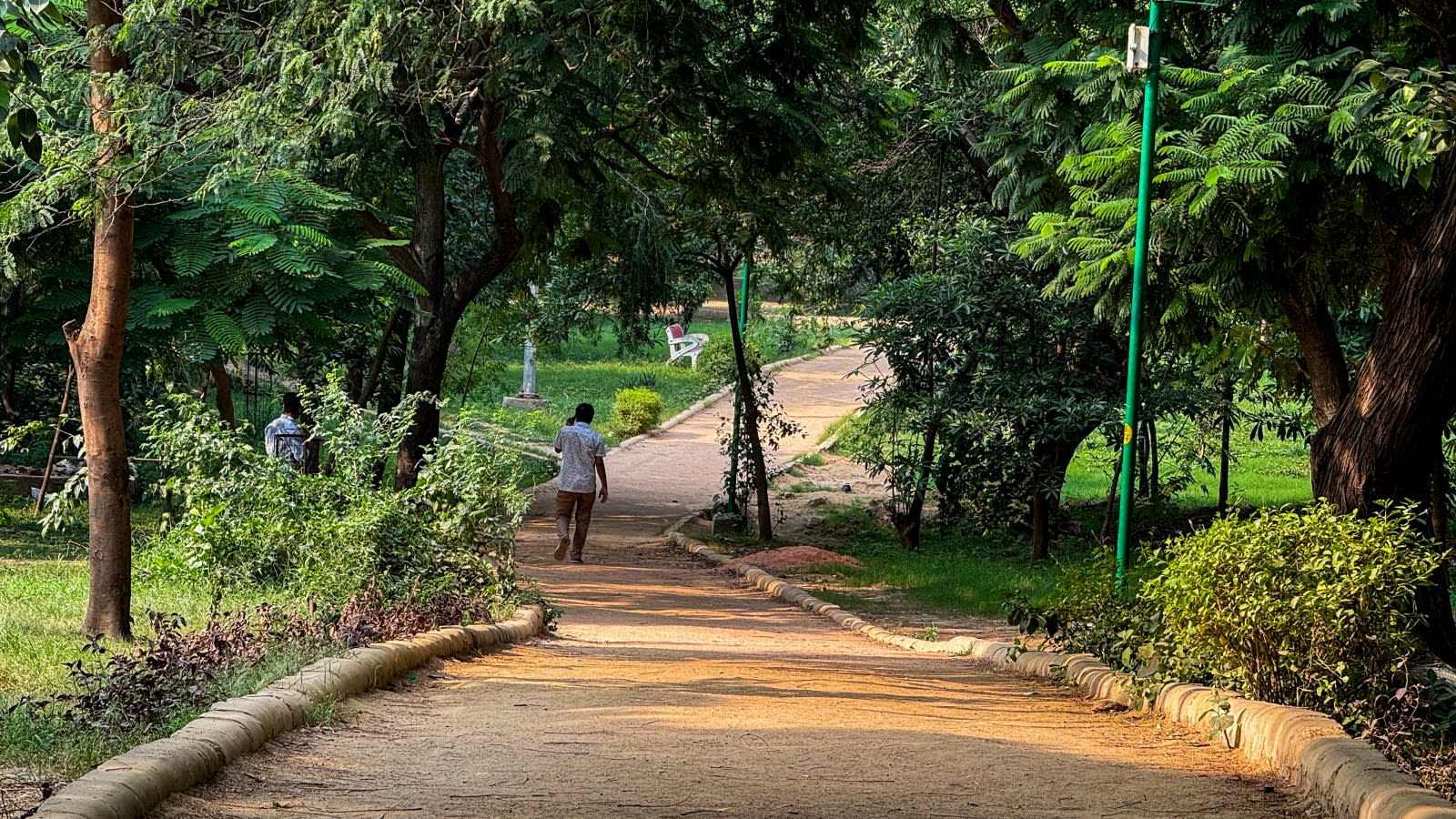
A recent audit revealed that only 2% of Delhi Development Authority (DDA) parks have CCTV, prompting the classification of 190 parks as high-risk. The DDA is now rushing to install security infrastructure, including cameras and floodlights, following a tragic gang-rape incident.
Security Crisis in Delhi’s Public Spaces
The recent audit conducted by the Delhi Development Authority (DDA) has laid bare a staggering deficiency in public safety infrastructure. Following the harrowing September 21 gang-rape of a 17-year-old girl in Aastha Kunj park, the DDA found that only 16 out of 736 parks—a mere two percent—were equipped with CCTV surveillance. This revelation highlights a systemic failure to maintain basic security standards in urban green spaces that serve as essential recreational areas for citizens.
The 'High Risk' Classification
In the wake of the incident, Lieutenant Governor Taranjit Singh Sandhu ordered a comprehensive audit to assess the security landscape of all DDA-managed properties. The findings led to the categorization of 190 parks, roughly one-fourth of the total, as 'high-risk.' These locations have been flagged for severe vulnerabilities including night-time infiltration, encroachment, crime-prone surroundings, and the prevalence of drug-related activities. This classification is a critical step in acknowledging that the current state of these parks poses a tangible threat to public safety.
Immediate Infrastructure Response
The DDA has initiated corrective measures, specifically focusing on the Aastha Kunj park where the incident occurred. The authority has floated tenders for a comprehensive CCTV surveillance system costing approximately ₹23.94 lakh, alongside the installation of LED floodlights valued at ₹4.2 lakh. These rapid procurement efforts, mandated to be completed within 15 to 30 days, indicate a reactionary shift in policy aimed at closing the glaring gaps in lighting, patrolling, and monitoring that allowed the September 21 incident to occur.
Broader Implications for Urban Safety
The reliance on 'policing' by criminals, who reportedly posed as law enforcement to gain access to the victim, underscores a sophisticated level of risk within these poorly managed environments. The DDA's findings suggest that these parks, intended for public leisure, have become hotspots for illicit activity due to a lack of physical oversight. The failure to secure these areas effectively transforms them from community assets into liabilities that endanger the most vulnerable members of society.
Future Trends and Accountability
Moving forward, the DDA faces the daunting task of scaling these security measures across all 190 high-risk zones. The current focus on Aastha Kunj serves as a pilot for a broader security overhaul, but the sheer volume of parks requiring intervention suggests that financial and logistical constraints will remain a challenge. The long-term success of this initiative will depend on sustained maintenance and the integration of active monitoring, rather than just the installation of hardware, to ensure that these public spaces remain safe for all Delhi residents.